

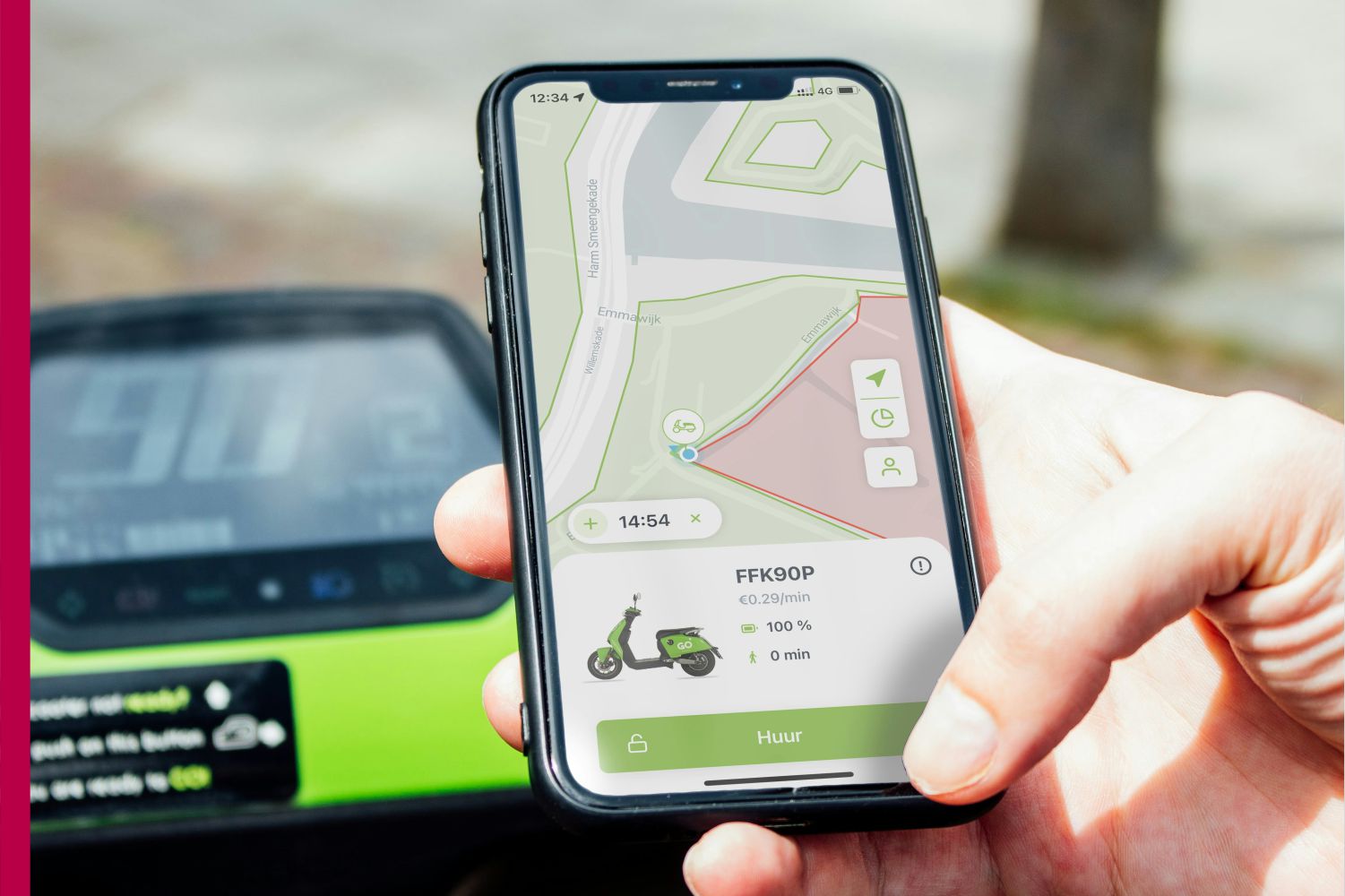


The automotive industry is undergoing a significant transformation with the rise of connected cars and smart mobility solutions. As digital technology continues to evolve, vehicles are no longer just machines for transportation; they are becoming intelligent systems capable of communicating with drivers, other vehicles, and surrounding infrastructure. Connected cars integrate advanced technologies such as the Internet of Things (IoT), artificial intelligence, sensors, and cloud computing to create safer, more efficient, and more convenient mobility experiences.
Connected cars are equipped with internet connectivity and advanced communication systems that allow them to exchange data in real time. These vehicles can communicate with other cars, traffic signals, road infrastructure, and even pedestrians through technologies known as vehicle-to-vehicle (V2V) and vehicle-to-infrastructure (V2I) communication. This connectivity enables drivers to receive real-time updates about traffic conditions, road hazards, weather changes, and navigation routes, helping them make better driving decisions.
One of the most important benefits of connected cars is improved road safety. Many connected vehicles are equipped with advanced driver assistance systems that monitor the vehicle’s surroundings and provide warnings or automatic responses to potential dangers. Features such as lane departure alerts, collision warnings, adaptive cruise control, and emergency braking systems help reduce accidents and improve driver awareness. By sharing real-time information between vehicles and infrastructure, connected cars can also prevent collisions and reduce traffic-related risks.
Smart mobility solutions extend beyond individual vehicles to create a more efficient transportation ecosystem. Urban areas around the world face challenges such as traffic congestion, pollution, and inefficient transportation systems. Smart mobility uses connected technology to optimize transportation networks, reduce traffic delays, and improve the overall flow of vehicles. Traffic management systems can analyze data from connected cars and adjust traffic signals or suggest alternate routes to reduce congestion in busy areas.
Another major advantage of connected cars is enhanced convenience for drivers and passengers. Modern connected vehicles often include smart infotainment systems, voice-controlled assistants, and smartphone integration. Drivers can access navigation services, music streaming, hands-free communication, and vehicle diagnostics through digital dashboards or mobile applications. These features make driving more comfortable and personalized while keeping drivers connected to digital services.
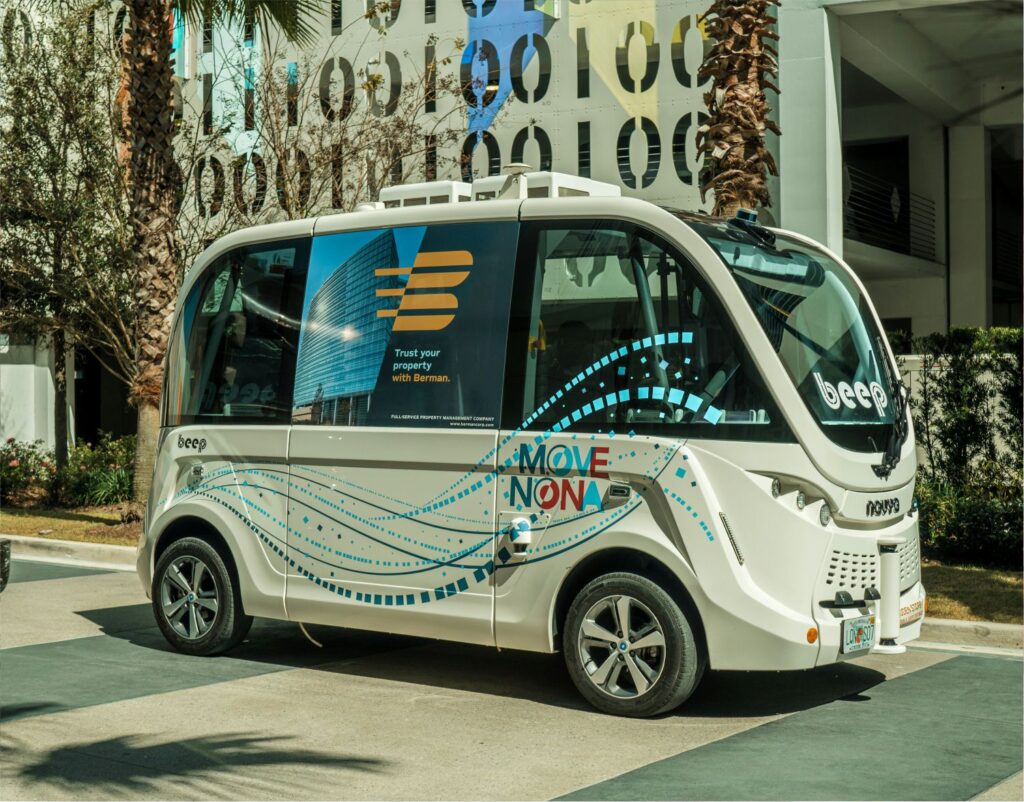
Connected cars also play an important role in supporting emerging mobility models such as ride-sharing, car-sharing, and autonomous vehicles. Transportation companies can use data from connected vehicles to monitor vehicle performance, optimize routes, and manage fleets more efficiently. Ride-sharing platforms rely on connected technologies to match passengers with drivers, track vehicles in real time, and ensure smooth transportation experiences.
Environmental sustainability is another area where connected mobility solutions make a difference. By providing real-time traffic information and optimized navigation routes, connected cars help reduce fuel consumption and lower greenhouse gas emissions. Smart mobility systems can also encourage the use of electric vehicles, public transportation, and shared mobility services, which contribute to cleaner and more sustainable urban environments.
However, the growth of connected cars also brings challenges such as data privacy, cybersecurity risks, and the need for advanced digital infrastructure. As vehicles become more connected, protecting sensitive data and ensuring secure communication between systems becomes essential. Governments, technology companies, and automotive manufacturers must work together to develop strong security standards and reliable infrastructure.
In conclusion, connected cars and smart mobility solutions are reshaping the future of transportation. By combining connectivity, data, and advanced technology, these innovations improve road safety, enhance convenience, reduce traffic congestion, and support sustainable mobility. As cities continue to evolve into smart urban environments, connected vehicles will play a key role in building more efficient, intelligent, and connected transportation systems for the future.