
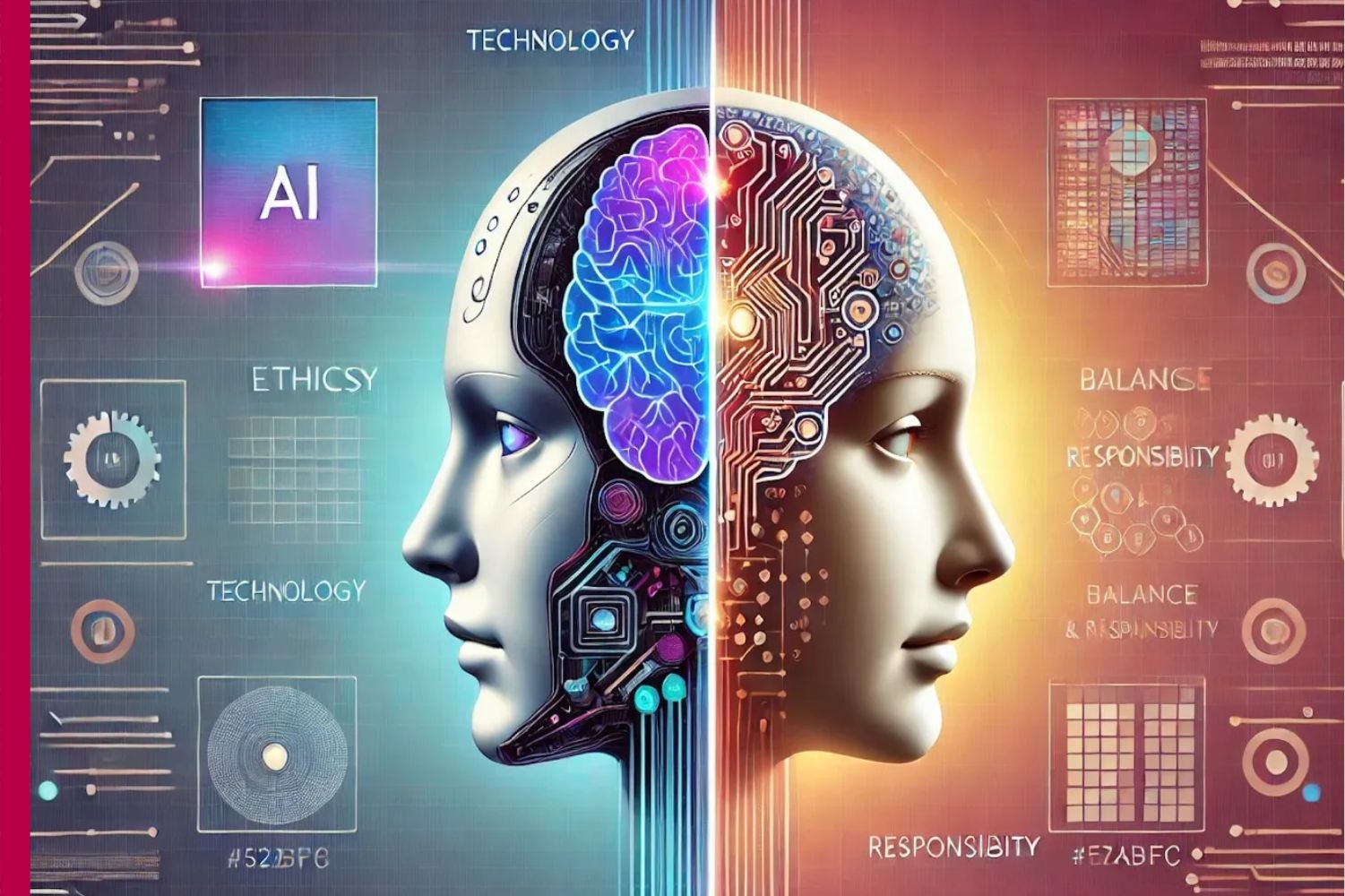

Autonomous vehicles (AVs), often referred to as self-driving cars, represent one of the most transformative innovations in modern transportation. Powered by artificial intelligence, sensors, and advanced computing systems, autonomous vehicles are designed to navigate roads, interpret traffic conditions, and make driving decisions with minimal or no human intervention. As this technology continues to evolve, it promises to improve road safety, efficiency, and mobility across the globe.
At the core of autonomous vehicle technology is a combination of hardware and software working together seamlessly. Vehicles are equipped with sensors such as cameras, radar, ultrasonic sensors, and LiDAR (Light Detection and Ranging). These sensors collect real-time data about the vehicle’s surroundings, including road markings, traffic signals, pedestrians, and other vehicles. This data creates a detailed 360-degree view of the environment, enabling the vehicle to understand where it is and what is happening around it.
Artificial intelligence and machine learning play a crucial role in processing this data. AI algorithms analyze sensor inputs to recognize objects, predict their movement, and make driving decisions such as accelerating, braking, or changing lanes. Over time, machine learning models improve performance by learning from millions of driving scenarios, including rare and complex situations that human drivers may encounter.
Autonomous vehicles are often categorized into levels based on the degree of automation, as defined by industry standards. Lower levels provide driver assistance features such as adaptive cruise control and lane-keeping assistance, while higher levels aim for full autonomy where no human intervention is required. Many modern vehicles already offer partial automation, helping drivers with safety and convenience while maintaining human control.
Connectivity is another key element of autonomous vehicle technology. Self-driving cars rely on high-performance onboard computers and cloud-based systems to process data quickly and efficiently. Vehicle-to-vehicle (V2V) and vehicle-to-infrastructure (V2I) communication allow cars to share information about traffic, road conditions, and potential hazards. This connected ecosystem enhances situational awareness and supports smoother traffic flow.
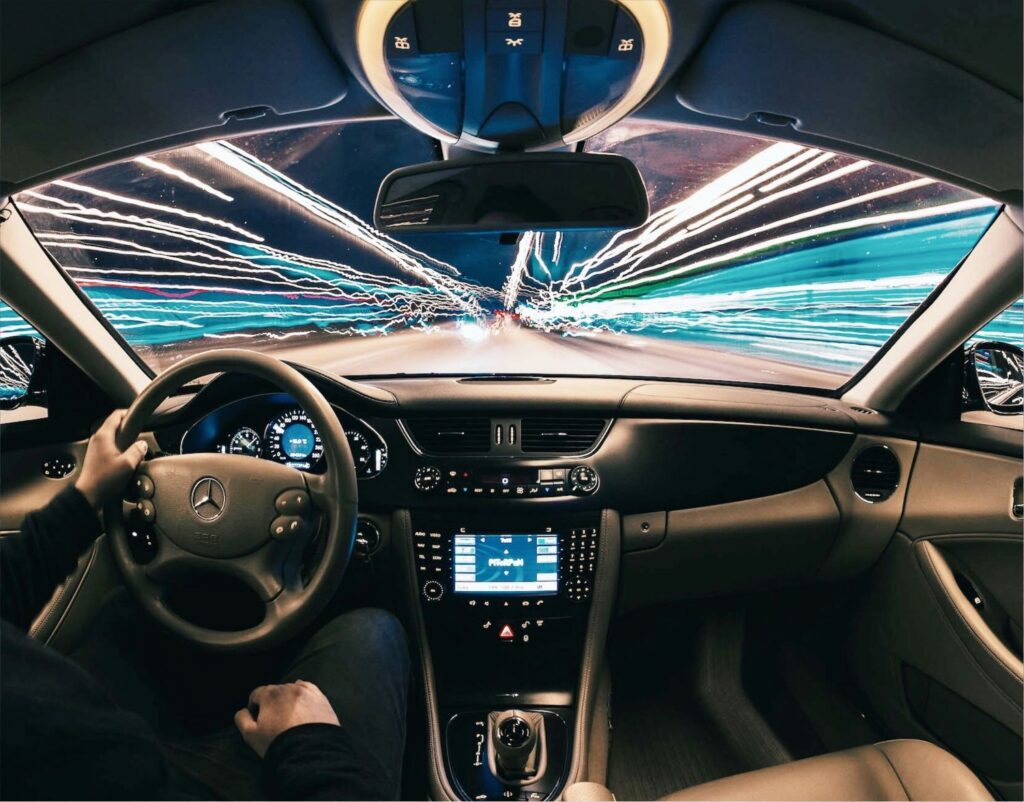
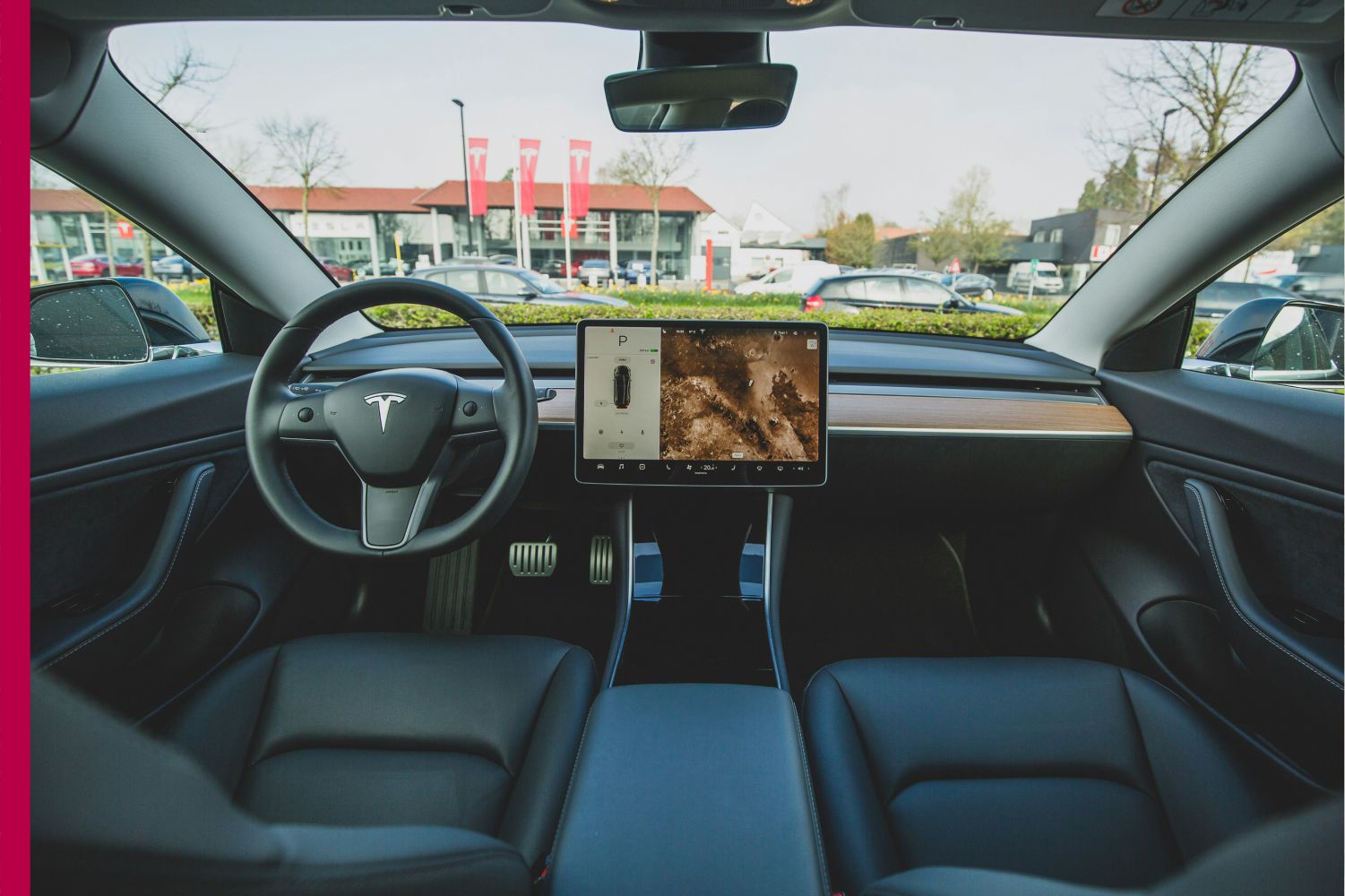
Several technology companies and automakers are actively developing and testing autonomous vehicles. Companies like Tesla focus on advanced driver-assistance systems and real-world data collection, while Waymo specializes in fully autonomous driving solutions tested in controlled urban environments. These efforts are accelerating innovation and bringing self-driving technology closer to everyday use.
The benefits of autonomous vehicles are significant. Improved road safety is one of the most important advantages, as human error is responsible for the majority of traffic accidents. Autonomous systems do not get distracted, tired, or impaired, potentially reducing accidents and saving lives. AVs can also improve traffic efficiency by optimizing routes, maintaining consistent speeds, and reducing congestion. For elderly and disabled individuals, autonomous vehicles offer greater independence and accessibility.
However, challenges remain before widespread adoption becomes a reality. Technical limitations, unpredictable road conditions, and complex urban environments require continuous improvement and testing. Legal and regulatory frameworks must evolve to address liability, insurance, and safety standards. Cybersecurity and data privacy are also critical concerns, as connected vehicles must be protected from digital threats.
In conclusion, autonomous vehicles technology combines AI, sensors, connectivity, and data analytics to redefine how transportation works. While full autonomy is still developing, ongoing advancements are steadily moving the industry forward. As technology matures and regulations adapt, autonomous vehicles have the potential to create safer roads, more efficient transportation systems, and a smarter mobility future for society.