


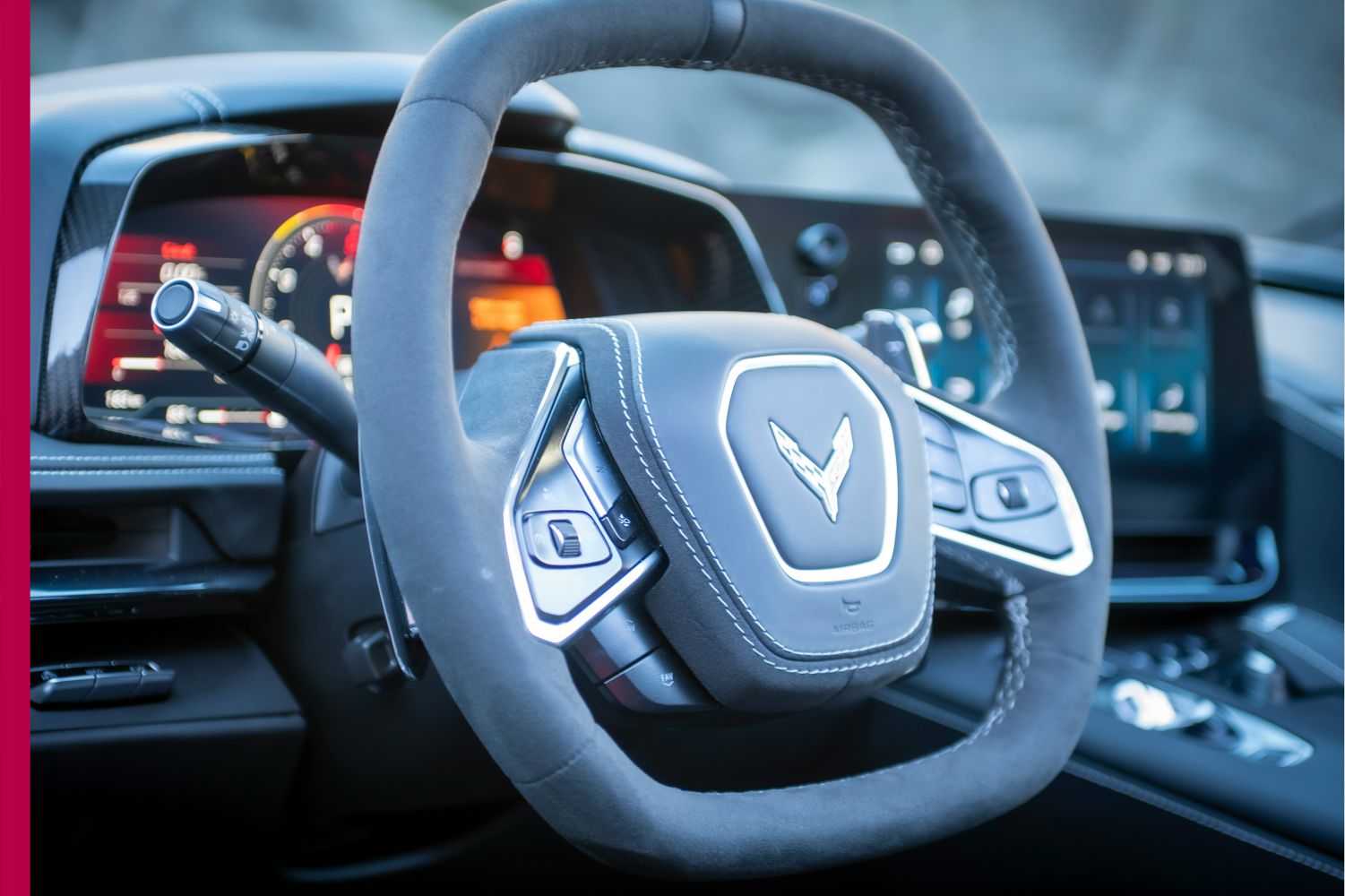

The automobile industry has made remarkable progress over the past few decades, especially in the field of vehicle safety. Modern vehicles are equipped with advanced technologies designed to protect drivers, passengers, and pedestrians. With the integration of intelligent systems and advanced engineering, the focus of the automotive sector has shifted from merely preventing accidents to minimizing their impact and even avoiding them altogether. These innovations are transforming how vehicles operate and significantly improving road safety worldwide.
One of the most important advancements in automotive safety is the development of Advanced Driver Assistance Systems (ADAS). These systems use sensors, cameras, and radar technology to monitor the vehicle’s surroundings and assist drivers in making safer decisions. Features such as lane departure warnings, adaptive cruise control, and automatic emergency braking help drivers avoid potential collisions. By providing real-time alerts and automated responses, ADAS technologies reduce the likelihood of human error, which is one of the leading causes of road accidents.
Another critical innovation is automatic emergency braking (AEB). This system detects potential collisions with vehicles, pedestrians, or obstacles and automatically applies the brakes if the driver fails to respond in time. Many modern vehicles now include AEB as a standard feature because of its proven ability to prevent accidents or reduce their severity.
Airbag technology has also evolved significantly over time. Earlier vehicles typically included only front airbags, but modern cars now feature side airbags, curtain airbags, and even knee airbags. These systems deploy instantly during a collision to cushion passengers and reduce the risk of serious injury. Combined with improved seatbelt designs and crash-resistant vehicle structures, airbags play a vital role in protecting occupants during accidents.
Driver monitoring systems are another emerging innovation in vehicle safety. These systems use cameras and sensors to monitor the driver’s behavior, detecting signs of fatigue, distraction, or inattentiveness. If the system detects that the driver is not paying attention to the road, it can provide alerts or take preventive action. This technology is particularly important in preventing accidents caused by drowsy or distracted driving.
Autonomous and semi-autonomous driving technologies are also contributing to improved road safety. Self-driving systems rely on advanced sensors, artificial intelligence, and machine learning to navigate roads and make driving decisions. While fully autonomous vehicles are still under development, partial automation features are already helping drivers maintain safer driving habits and avoid dangerous situations.

Vehicle manufacturers are also focusing on pedestrian safety. Modern vehicles include features such as pedestrian detection systems, improved front-end designs, and external airbags that help reduce injuries in the event of a collision with a pedestrian. These innovations demonstrate the industry’s commitment to protecting not only vehicle occupants but also other road users.
In addition to active safety technologies, improvements in vehicle construction have strengthened crash protection. High-strength steel, advanced materials, and improved structural designs allow vehicles to absorb impact energy more effectively during collisions. These structural improvements work together with safety technologies to provide multiple layers of protection.
Another growing area of innovation is connected vehicle technology. Vehicles can now communicate with other vehicles and infrastructure to share real-time information about road conditions, traffic congestion, and potential hazards. This technology helps drivers make safer decisions and avoid dangerous situations before they occur.
In conclusion, the automobile industry continues to make significant strides in safety innovation. Technologies such as ADAS, automatic emergency braking, advanced airbags, and driver monitoring systems are transforming how vehicles protect their occupants and prevent accidents. As technology continues to evolve, future vehicles will become even safer, bringing the world closer to the goal of reducing road accidents and saving lives.