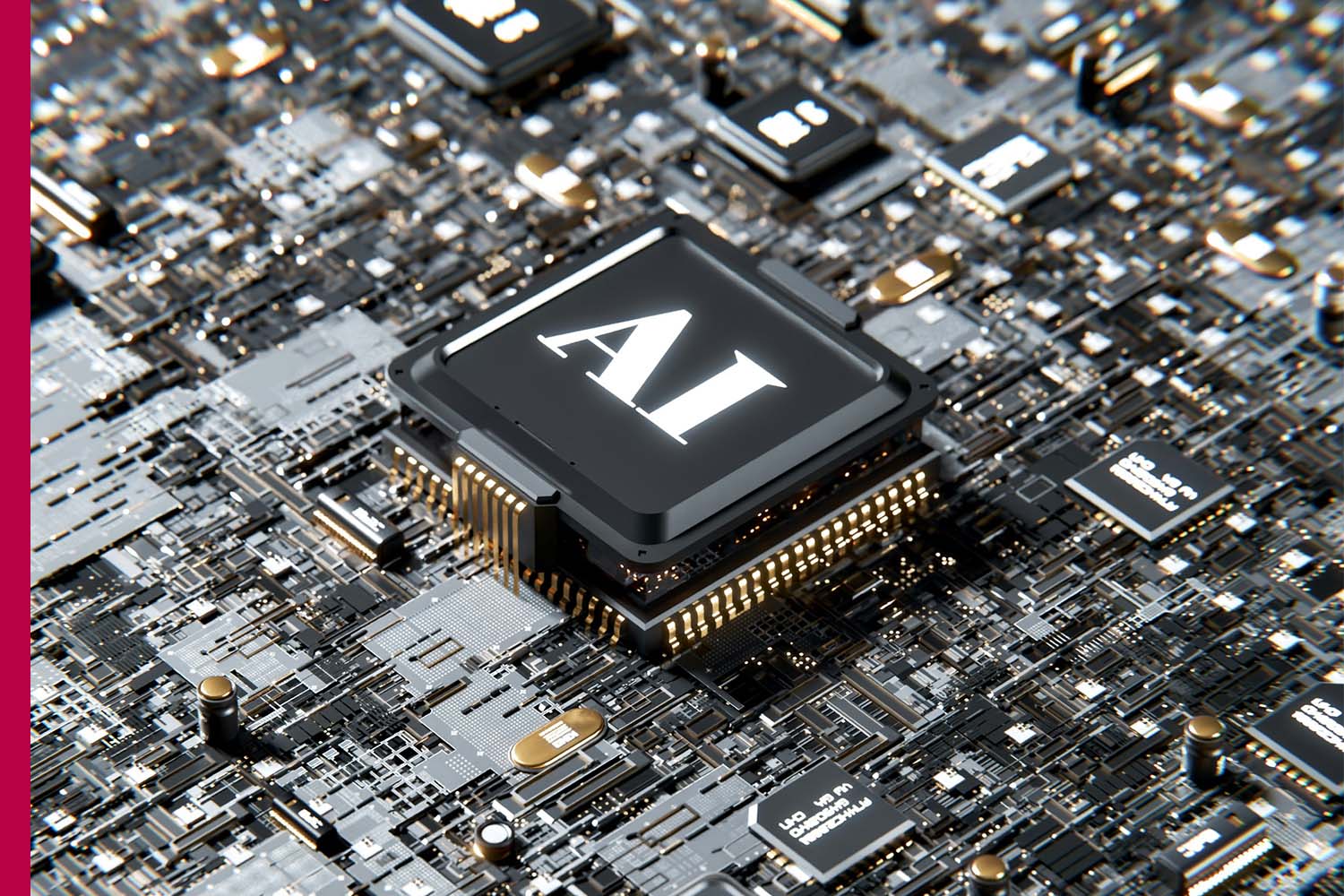



Smart factories represent the next evolution of manufacturing, where robotics and automation work together with digital technologies to create highly efficient, flexible, and intelligent production environments. By integrating robots, sensors, artificial intelligence, and data analytics, smart factories are transforming traditional manufacturing into connected, adaptive systems capable of meeting modern market demands.
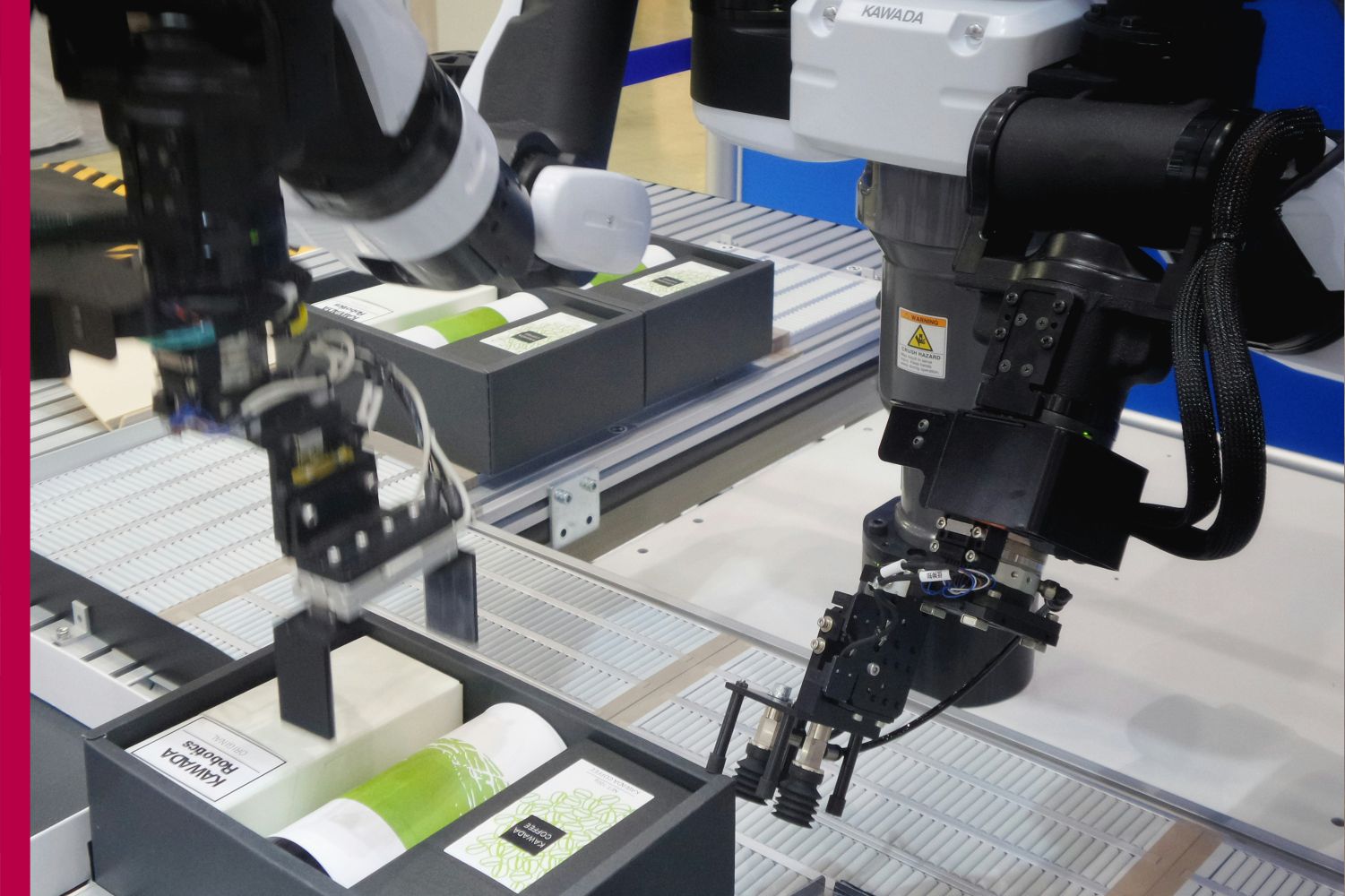
At the heart of smart factories are industrial robots. These machines perform repetitive, precise, and physically demanding tasks such as assembly, welding, painting, and material handling. Unlike traditional automation, modern robots are equipped with sensors, vision systems, and AI capabilities that allow them to adapt to changing conditions. This flexibility enables manufacturers to produce customized products at scale while maintaining speed and accuracy.
Automation in smart factories goes beyond individual machines. Entire production lines are connected through digital platforms that enable real-time communication between equipment, systems, and operators. Machines can monitor their own performance, share data, and adjust operations automatically. This interconnected environment reduces downtime, improves coordination, and ensures consistent product quality.
One of the biggest benefits of robotics and automation in smart factories is increased productivity. Automated systems can operate 24/7 with minimal interruptions, significantly boosting output. Robots perform tasks faster and with greater consistency than manual labor, allowing manufacturers to meet high-volume demand without sacrificing quality. As a result, production cycles become shorter and more predictable.
Quality control is another area where smart automation delivers strong value. Computer vision systems and automated inspection tools detect defects in real time, often with greater precision than the human eye. When issues are identified, systems can automatically adjust processes or alert operators, reducing waste and rework. This leads to higher-quality products and lower operational costs.
Robotics and automation also improve workplace safety. Manufacturing environments can involve hazardous tasks such as heavy lifting, exposure to heat, or handling dangerous materials. Robots can take over these high-risk activities, reducing the likelihood of workplace injuries. Employees can then focus on supervisory, programming, and analytical roles that require human judgment and creativity.
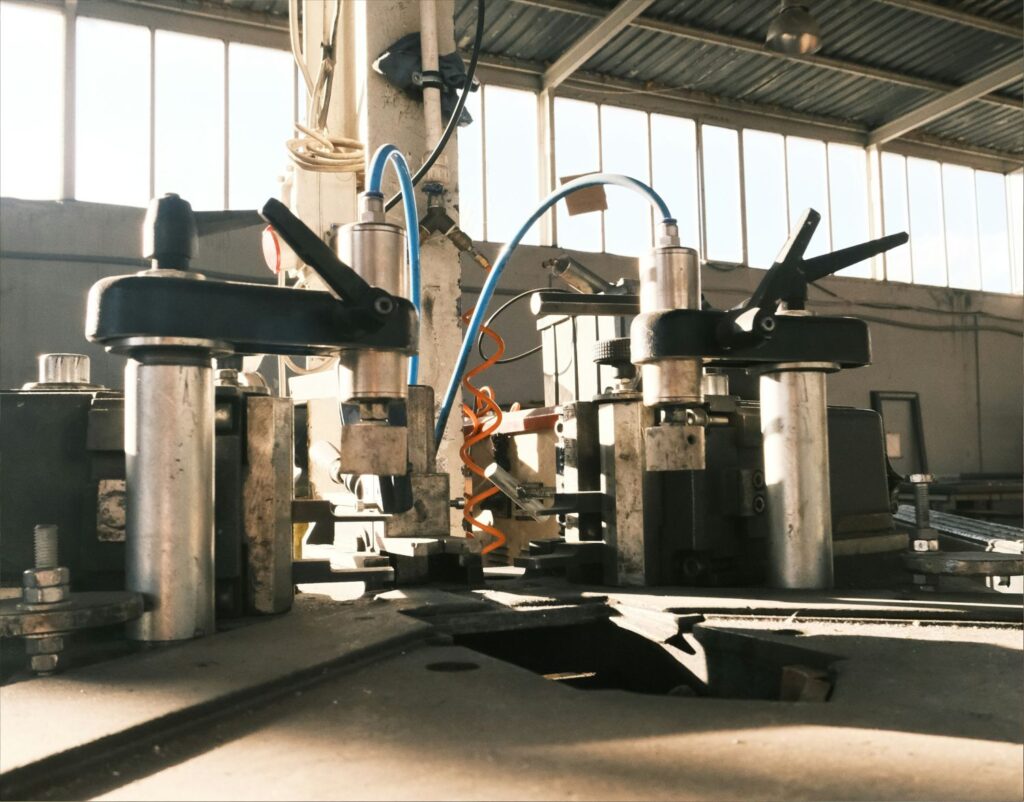
Predictive maintenance is a key feature of smart factories. Automated systems continuously collect data on machine performance, temperature, vibration, and energy usage. Advanced analytics use this data to predict when equipment is likely to fail, enabling maintenance to be scheduled before breakdowns occur. This proactive approach reduces unplanned downtime, extends equipment lifespan, and lowers maintenance costs.
Leading industrial technology providers such as Siemens are driving innovation in smart factory solutions by combining robotics, automation software, and digital twins. These technologies allow manufacturers to simulate production processes virtually, test improvements, and optimize operations before implementing changes on the factory floor.
Despite the advantages, adopting robotics and automation in smart factories comes with challenges. High initial investment, system integration complexity, and the need for skilled workers can slow adoption. Workforce reskilling is particularly important, as employees must learn to operate, maintain, and collaborate with advanced robotic systems.
In conclusion, robotics and automation are the foundation of smart factories, enabling higher productivity, improved quality, enhanced safety, and smarter decision-making. As digital technologies continue to advance, smart factories will become more adaptive and resilient, helping manufacturers stay competitive in a rapidly changing global market. By embracing robotics and automation, industries can unlock new levels of efficiency and innovation, shaping the future of manufacturing.