





Automation has become a defining feature of modern industries, transforming how businesses operate, produce, and compete. From manufacturing and logistics to customer service and finance, automation technologies are being adopted at a rapid pace. While the benefits are substantial, the costs associated with automation adoption require careful evaluation. Understanding the balance between cost and benefit is essential for organizations aiming to make informed decisions.
One of the most immediate challenges of automation is the high initial investment. Implementing automated systems often involves purchasing advanced machinery, software, and infrastructure. In addition to equipment costs, businesses must invest in system integration, employee training, and maintenance. For small and medium-sized enterprises, these upfront expenses can be significant and may require careful financial planning.
However, the long-term benefits of automation often outweigh the initial costs. One of the primary advantages is increased efficiency. Automated systems can perform repetitive tasks faster and with greater accuracy than humans, reducing errors and improving productivity. This leads to higher output levels and consistent quality, which are crucial for maintaining competitiveness in fast-paced markets.
Labor cost reduction is another key benefit. Automation can handle tasks that would otherwise require a large workforce, helping companies reduce operational expenses over time. While this may raise concerns about job displacement, it also creates opportunities for employees to shift toward more skilled and strategic roles. Businesses can focus on innovation, problem-solving, and customer engagement rather than routine tasks.
Automation also enhances scalability. As demand increases, automated systems can easily adapt to higher production volumes without a proportional increase in labor costs. This flexibility allows businesses to respond quickly to market changes and expand operations more efficiently. In industries such as e-commerce and manufacturing, scalability is a major advantage.
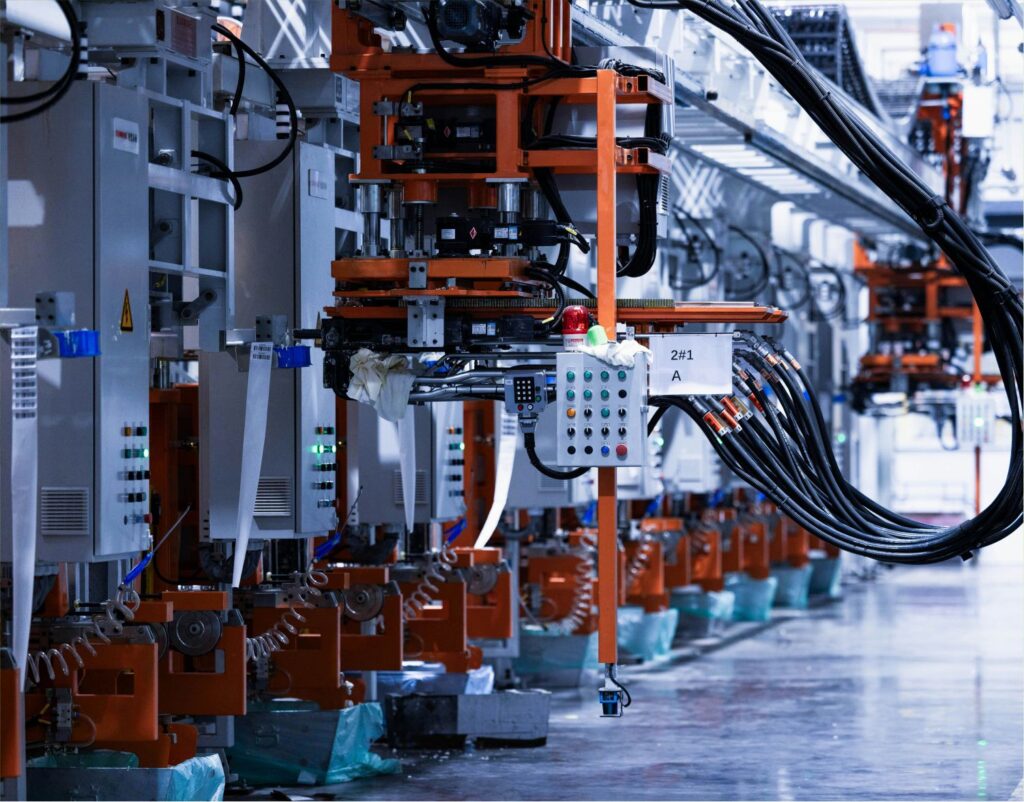
Another important benefit is improved safety. In environments where tasks are hazardous or physically demanding, automation reduces the risk of workplace accidents. Machines can handle dangerous operations, protecting workers and ensuring compliance with safety standards. This not only improves employee well-being but also reduces costs related to injuries and insurance.
Data-driven decision-making is another advantage of automation. Modern automated systems collect and analyze data in real time, providing valuable insights into performance, efficiency, and customer behavior. This information helps businesses make informed decisions, optimize processes, and identify areas for improvement.
Despite these benefits, automation is not without challenges. The transition period can be complex, requiring adjustments in workflows and organizational structure. There may also be resistance from employees who fear job loss or lack the skills needed to work with new technologies. Addressing these concerns through training and transparent communication is essential for successful implementation.
In conclusion, the cost versus benefit of automation adoption depends on how effectively it is planned and executed. While the initial investment can be high, the long-term gains in efficiency, productivity, and scalability often justify the expense. Businesses that approach automation strategically can unlock significant value and position themselves for sustainable growth in an increasingly competitive world.