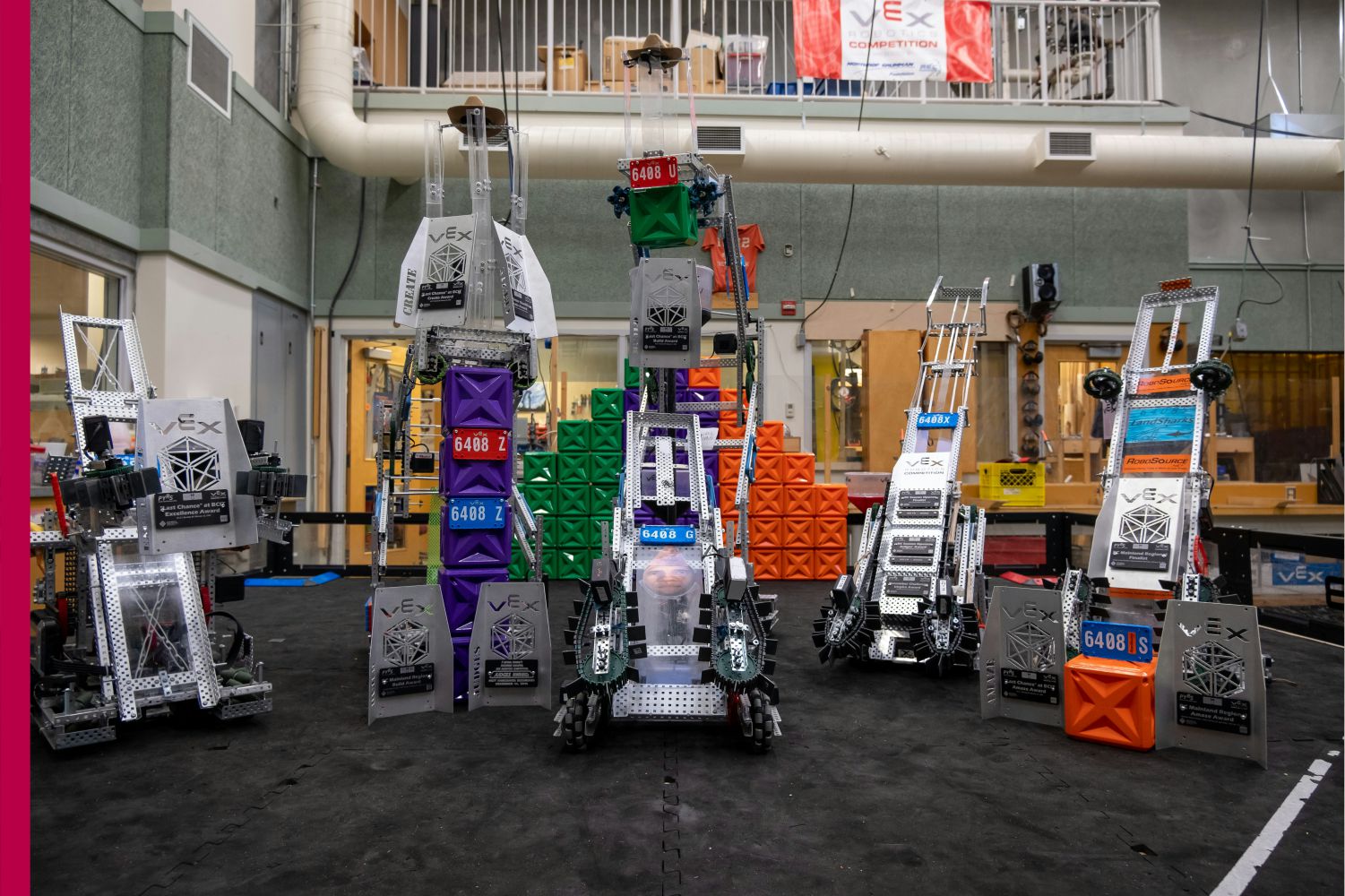




Automation has become a powerful driver of efficiency and productivity in modern industries. Businesses across manufacturing, logistics, healthcare, and finance are adopting automated systems to streamline operations, reduce human error, and improve overall performance. Technologies such as Artificial Intelligence, robotics, and advanced software tools are transforming the way organizations operate. However, despite its many benefits, implementing automation comes with several challenges that companies must carefully manage.
One of the biggest challenges in automation implementation is the high initial investment cost. Automated machinery, advanced software systems, and infrastructure upgrades require significant financial resources. For small and medium-sized businesses, these upfront expenses can be a major barrier. Companies must also consider the costs of system maintenance, upgrades, and training employees to operate new technologies. Without proper financial planning, automation projects can place a strain on organizational budgets.
Another key challenge is workforce adaptation. Automation can change job roles and responsibilities, creating uncertainty among employees. Some workers may worry about job displacement as machines take over repetitive tasks. This concern can lead to resistance to new technologies within the organization. Businesses must address these concerns by providing training programs, upskilling opportunities, and clear communication about how automation will support rather than replace human workers.
Technical complexity is also a significant obstacle when implementing automation systems. Integrating automated technologies with existing infrastructure can be complicated and time-consuming. Many companies operate with legacy systems that may not easily connect with modern automation tools. Ensuring compatibility between different technologies requires careful planning, technical expertise, and often additional investment in system upgrades.
Data management is another critical issue in automated environments. Automated systems rely heavily on data to function efficiently. Businesses must ensure that their data is accurate, organized, and accessible. Poor data quality can lead to incorrect decisions or system failures. Additionally, managing large volumes of data requires robust storage solutions and strong data governance practices.
Cybersecurity risks also increase with automation. As more processes become connected through digital networks, organizations become more vulnerable to cyber threats. Automated systems that rely on internet connectivity or cloud platforms can potentially be targeted by hackers. Implementing strong security protocols, encryption systems, and regular monitoring is essential to protect sensitive information and maintain operational stability.
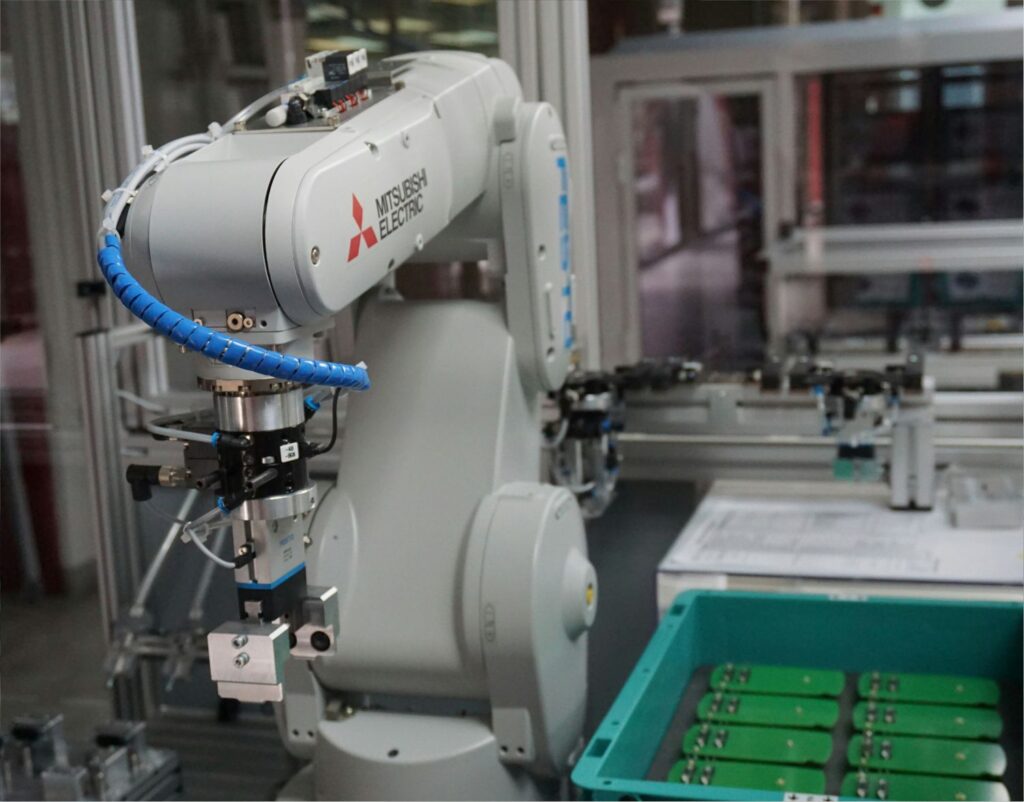
Operational disruptions during the transition phase can also pose challenges. Implementing automation often requires modifying existing workflows, installing new equipment, and testing systems before they become fully operational. During this transition period, businesses may experience temporary disruptions or reduced productivity. Proper planning and phased implementation strategies can help minimize these impacts.
Another challenge is the need for specialized skills. Automation technologies require professionals who understand robotics, software development, system integration, and data analytics. However, there is often a shortage of skilled professionals capable of managing advanced automation systems. Companies must invest in employee training or recruit specialists to support automation initiatives.
Finally, strategic alignment is crucial for successful automation implementation. Organizations sometimes adopt automation simply because it is trending rather than because it fits their business objectives. Without a clear strategy, automation projects may fail to deliver expected results. Companies must evaluate their operational needs and develop well-defined automation strategies that align with long-term business goals.
In conclusion, automation offers significant benefits, including increased efficiency, improved accuracy, and reduced operational costs. However, challenges such as high investment costs, workforce adaptation, technical integration, cybersecurity risks, and skill shortages must be carefully addressed. By adopting a strategic approach and investing in employee development, organizations can successfully overcome these challenges and fully realize the potential of automation in the modern business landscape.