



Automation technologies are rapidly transforming industries across the globe, reshaping how businesses operate, produce, and deliver value. From manufacturing floors to service-based organizations, automation is enabling faster processes, improved accuracy, reduced costs, and enhanced scalability. As competition intensifies and customer expectations rise, companies are increasingly adopting automation to remain agile and future-ready.
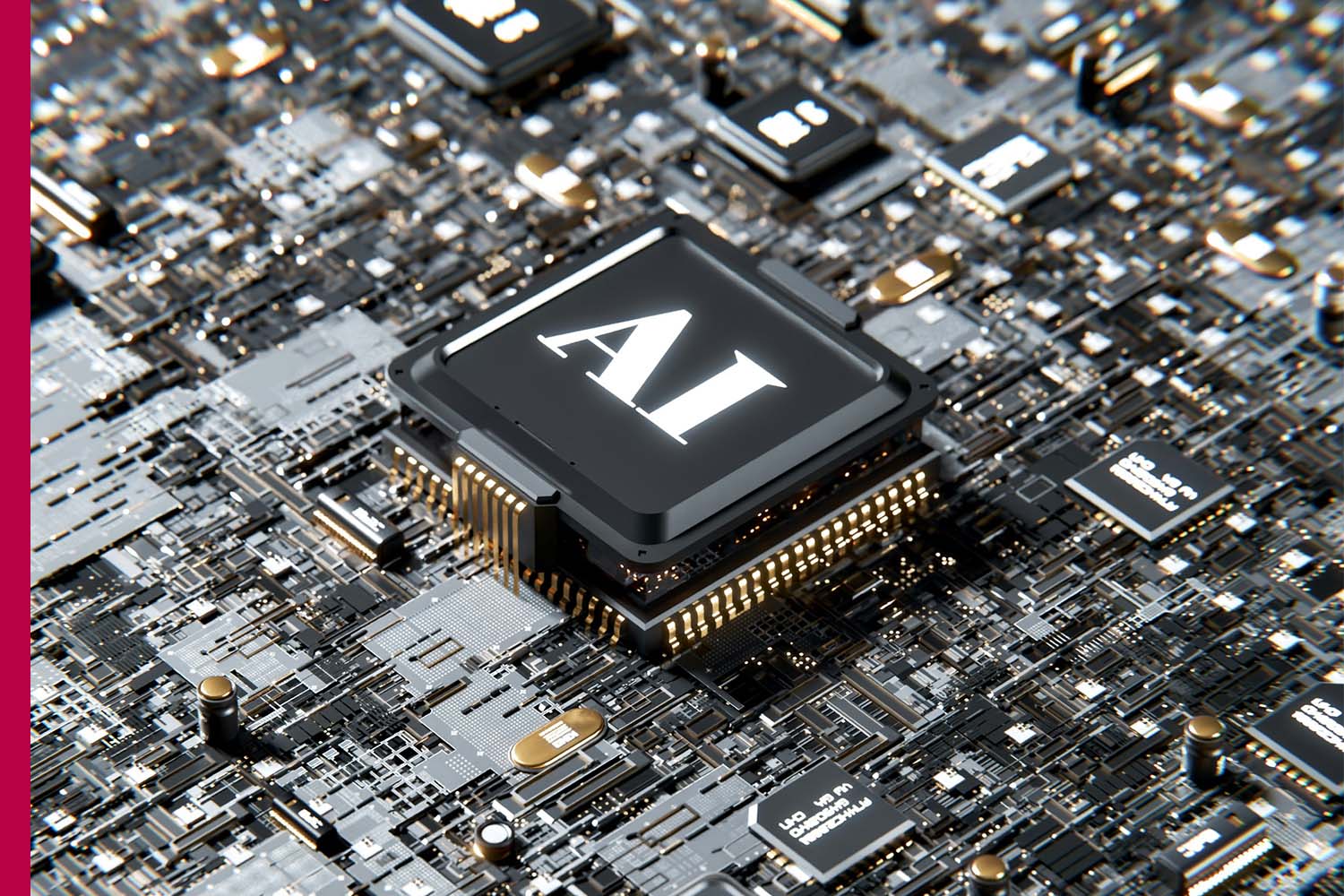
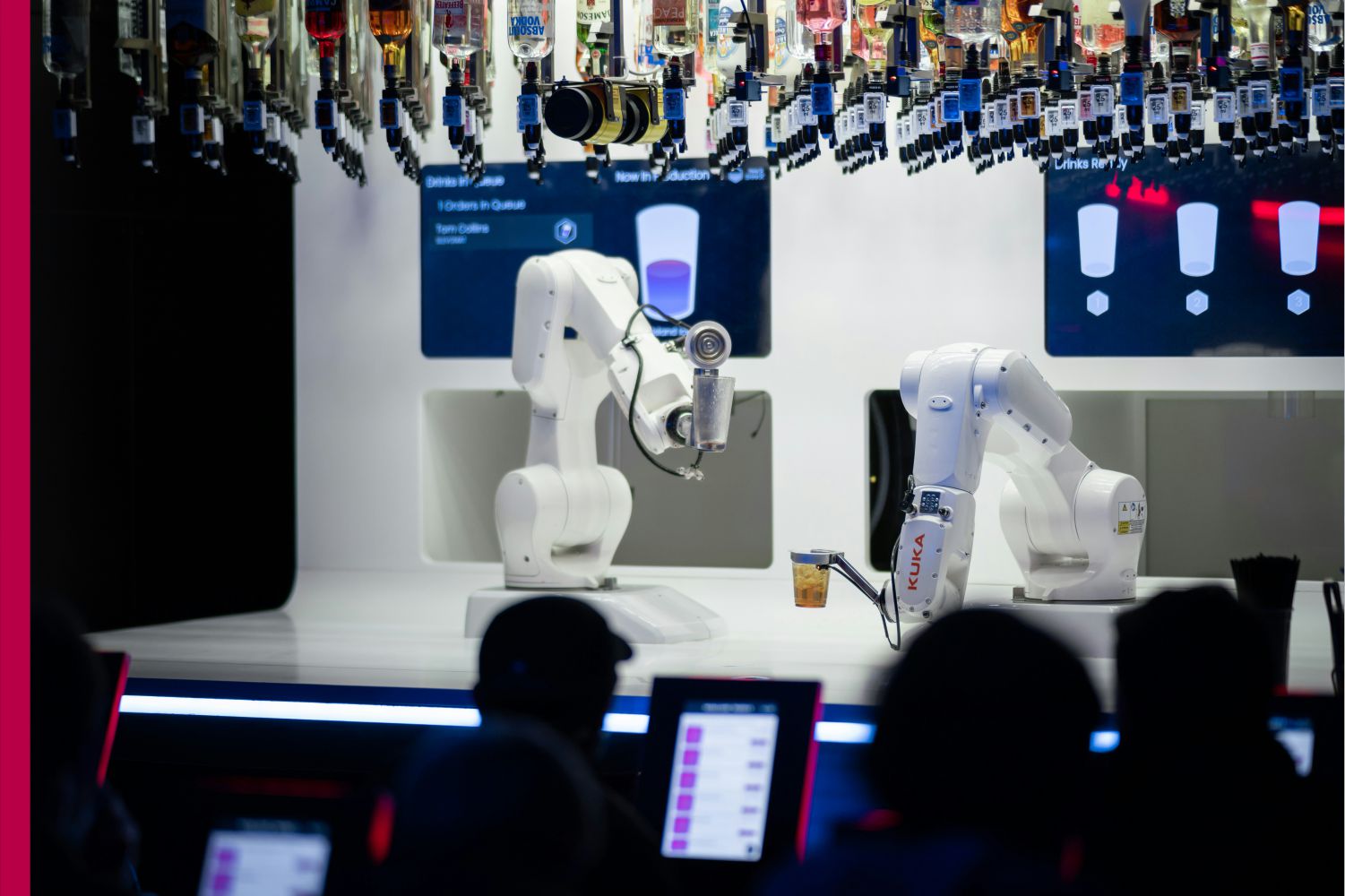
At its core, automation involves using technology to perform tasks with minimal human intervention. Traditional automation focused on repetitive, rule-based activities, but modern automation has evolved significantly. Today’s systems integrate advanced software, artificial intelligence, robotics, and data analytics to handle complex workflows and dynamic environments. This evolution is expanding automation’s impact far beyond basic operations.
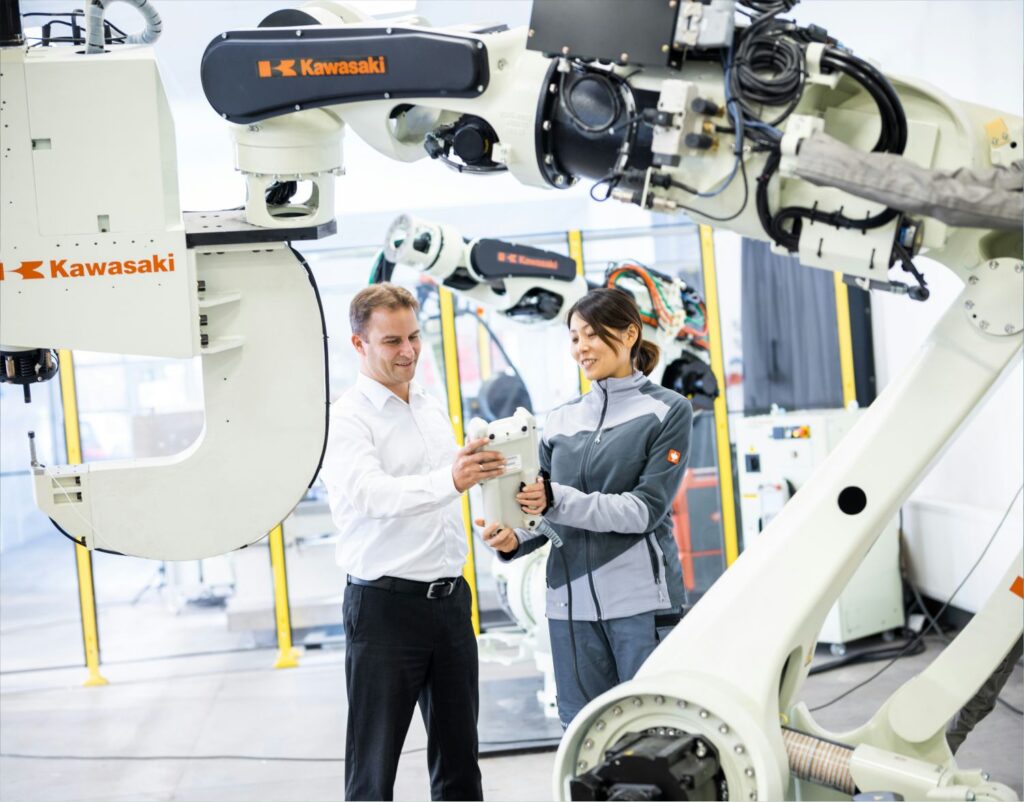
Manufacturing is one of the most visibly transformed industries. Automated machinery, robotics, and smart production lines have improved speed, consistency, and quality. Robots perform tasks such as assembly, welding, packaging, and quality inspection with high precision, reducing defects and downtime. Automation also enhances workplace safety by taking over hazardous or physically demanding tasks, allowing human workers to focus on supervision and problem-solving.
In logistics and supply chain management, automation technologies are streamlining operations end to end. Automated warehouses use robotic systems for sorting, picking, and packing goods efficiently. Intelligent transportation management systems optimize routes, reduce delivery times, and lower fuel consumption. These innovations improve reliability and responsiveness, which are critical in today’s fast-paced, on-demand economy.
The healthcare industry is also experiencing significant transformation through automation. Automated systems support diagnostics, laboratory testing, patient scheduling, and medical record management. In clinical settings, automation improves accuracy and reduces administrative burden, allowing healthcare professionals to spend more time on patient care. Automation also enhances data management and supports better decision-making through faster access to information.
In the financial and service sectors, automation is driving operational efficiency and customer satisfaction. Processes such as invoice processing, payroll management, compliance checks, and customer support are increasingly automated. Intelligent automation tools handle large volumes of transactions with speed and accuracy, reducing errors and operational costs. Automated customer service solutions provide quick responses and round-the-clock support, improving user experience.
Automation technologies are also transforming agriculture and energy sectors. In agriculture, automated equipment and data-driven systems support planting, irrigation, harvesting, and monitoring, improving productivity and resource efficiency. In energy and utilities, automation helps manage grids, monitor equipment performance, and optimize energy distribution, supporting reliability and sustainability goals.
One of the key advantages of automation is scalability. Automated systems can handle increasing workloads without proportional increases in labor or cost. This flexibility supports business growth and enables organizations to respond quickly to market changes. Automation also improves consistency, ensuring standardized outcomes across operations.
Despite its benefits, automation adoption comes with challenges. Workforce adaptation, initial investment costs, and system integration require careful planning. Organizations must focus on reskilling employees so they can work effectively alongside automated systems. Ethical considerations and data security are also important as automation becomes more intelligent and interconnected.
In conclusion, automation technologies are transforming industries by enhancing efficiency, accuracy, safety, and scalability. From manufacturing and logistics to healthcare and services, automation is redefining how work gets done. Businesses that strategically adopt automation while investing in people and governance will be better positioned to innovate, compete, and thrive in an increasingly automated global economy.