



The fashion industry has undergone a dramatic transformation in recent years, driven by the rapid growth of online clothing stores. With the increasing use of smartphones, internet accessibility, and digital payment systems, consumers are shifting from traditional brick-and-mortar shopping to online platforms. This shift has not only changed how people shop for clothes but has also redefined business models within the fashion industry.
One of the primary reasons behind the rise of online clothing stores is convenience. Consumers can browse through a wide range of products from the comfort of their homes, compare prices, read reviews, and make purchases at any time. This 24/7 accessibility eliminates the need to visit physical stores and saves time, making online shopping highly appealing to busy lifestyles. Platforms like Amazon and Flipkart have played a major role in popularizing online fashion retail by offering diverse product selections and seamless shopping experiences.
Variety and accessibility are other key factors contributing to this growth. Online clothing stores provide access to a vast range of brands, styles, sizes, and price points that may not be available in local markets. Consumers can explore international trends and niche fashion categories with ease. This wide selection allows shoppers to find products that match their personal style and preferences more effectively.
The rise of digital marketing and social media has further accelerated the growth of online clothing stores. Platforms such as Instagram and influencer marketing have become powerful tools for fashion brands to reach their target audience. Influencers showcase clothing styles, provide recommendations, and create trends, driving traffic to online stores. This direct connection between brands and consumers enhances engagement and boosts sales.
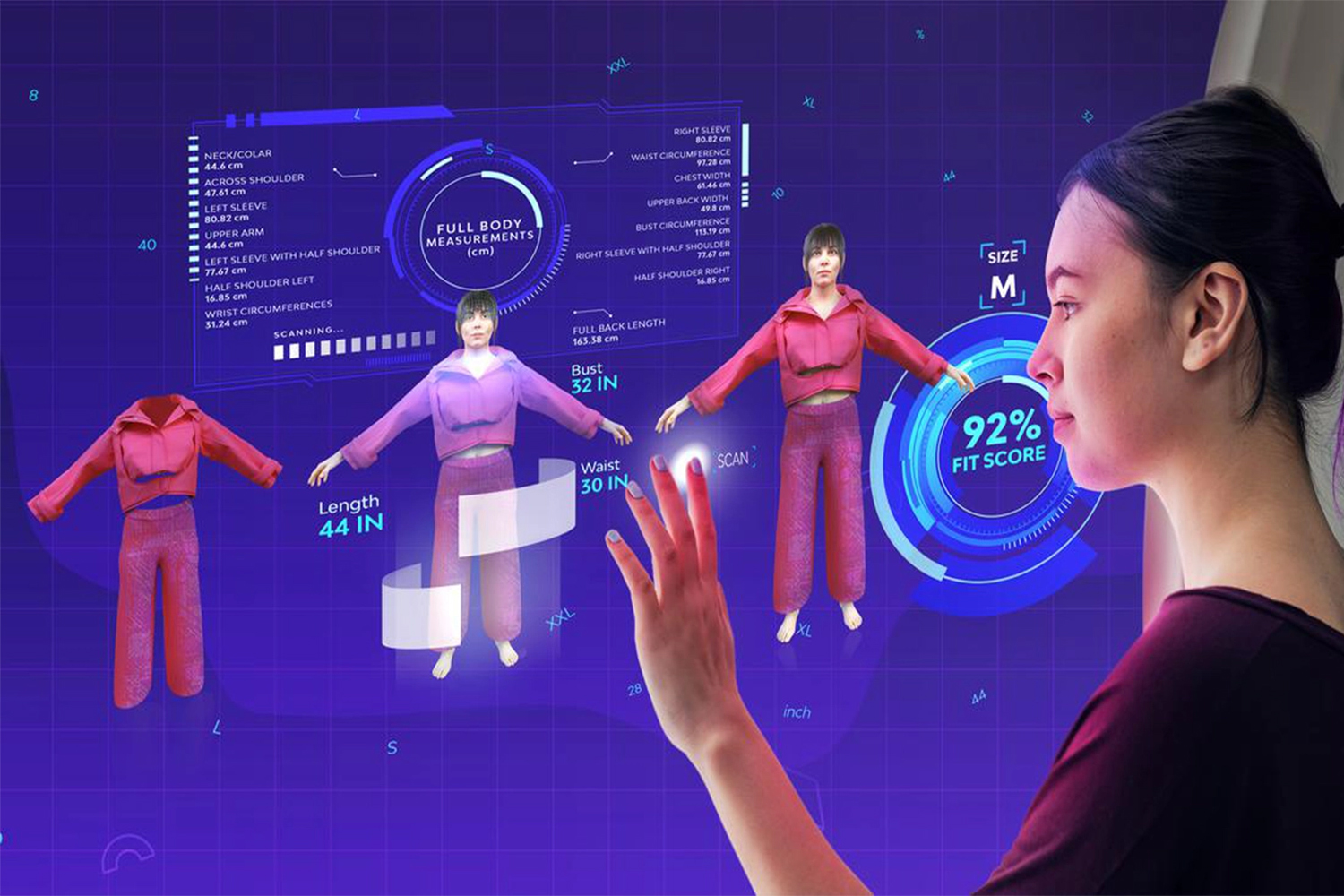
Technology has significantly improved the online shopping experience. Features such as virtual try-ons, size recommendation tools, and AI-powered personalization help customers make informed decisions. These innovations reduce uncertainty and improve customer satisfaction. Personalized recommendations based on browsing history and preferences also enhance the shopping journey, making it more relevant and enjoyable.
Flexible return policies and easy payment options have also contributed to consumer confidence in online shopping. Cash on delivery, digital wallets, and buy-now-pay-later options make transactions more accessible. Hassle-free returns and exchanges address concerns about fit and quality, encouraging more people to shop online without hesitation.

For businesses, online clothing stores offer lower operational costs compared to physical retail outlets. There is no need for expensive store space, and inventory can be managed more efficiently through centralized warehouses. This cost advantage allows brands to offer competitive pricing and frequent discounts, attracting more customers. Additionally, data analytics helps businesses understand consumer behavior, optimize inventory, and improve marketing strategies.
The rise of online clothing stores has also empowered small and independent designers. E-commerce platforms provide an opportunity for emerging brands to reach a global audience without significant investment. This has led to increased diversity and innovation in the fashion industry, giving consumers more choices than ever before.
However, challenges remain in the online fashion space. Issues such as sizing inconsistencies, product quality concerns, and delivery delays can affect customer satisfaction. Additionally, the environmental impact of fast fashion and increased packaging waste is a growing concern that needs to be addressed through sustainable practices.
In conclusion, the rise of online clothing stores has revolutionized the fashion retail industry by offering convenience, variety, and accessibility. With continuous advancements in technology and changing consumer preferences, online fashion is expected to grow even further. As businesses adapt and innovate, online clothing stores will continue to shape the future of fashion retail in the digital age.