




Apparels form an essential part of human life, blending function, culture, and personal identity into every stitch and silhouette. What began thousands of years ago as a basic necessity for protection from weather has transformed into a massive global industry that influences how we express ourselves, how societies define trends, and how technology shapes production. Clothing today is far more than fabric—it is a form of communication, creativity, and cultural evolution.
The apparel industry spans a wide spectrum, from everyday wear to luxury fashion, activewear to ethnic garments, and sustainable clothing to high-tech performance fabrics. Each segment reflects a different aspect of human lifestyle and preference. One of the most fascinating parts of apparel evolution is how styles continuously cycle and reinvent themselves. Vintage trends return with modern twists, streetwear influences high fashion, and traditional garments find contemporary relevance. This constant reinvention keeps the industry dynamic and exciting.
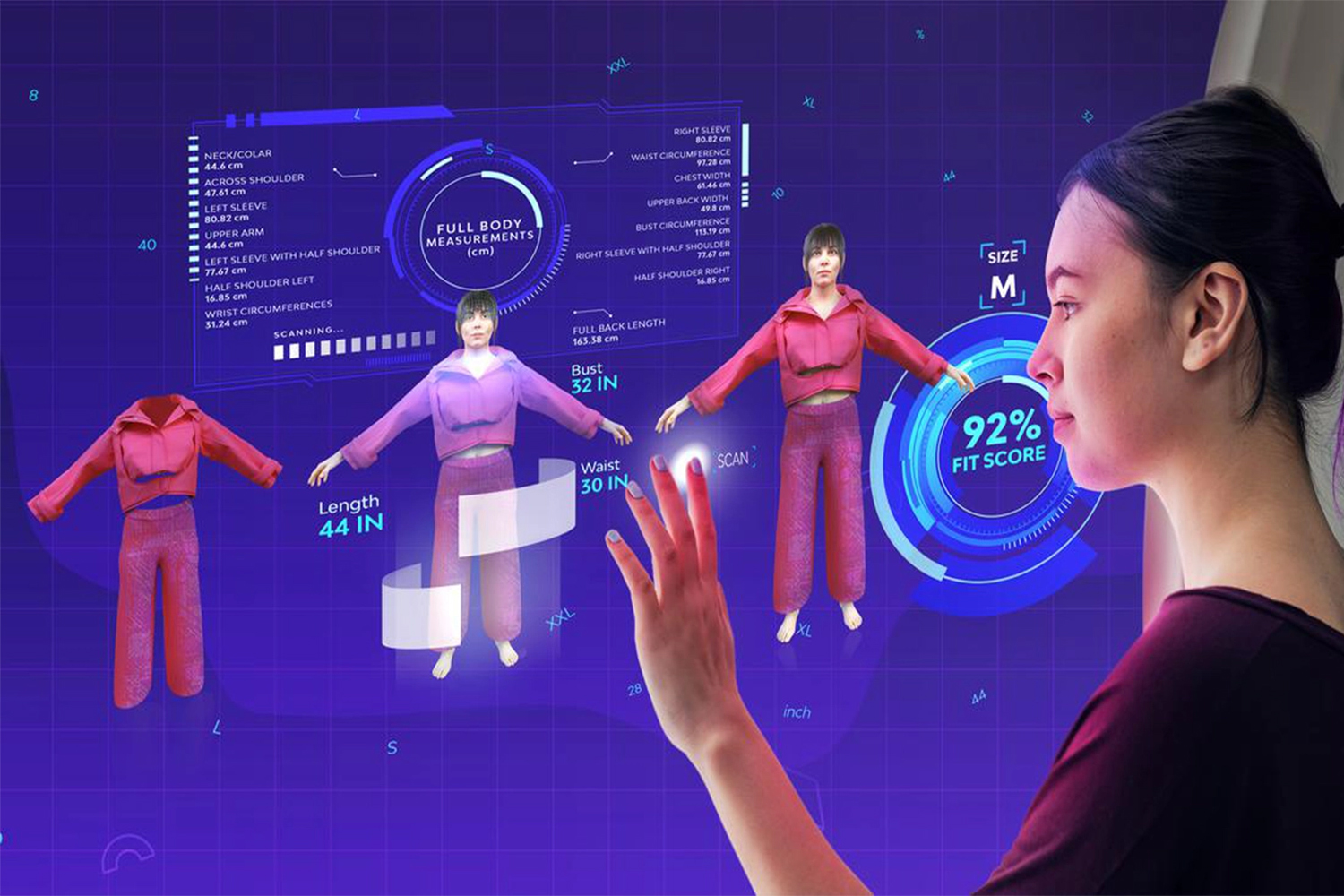
Technological advancements have revolutionized how apparels are produced and consumed. Automation in textile manufacturing, digital printing, artificial intelligence in design, and e-commerce platforms have transformed both production and customer experience. Today, shoppers can browse thousands of outfits from their phones, try items virtually using AR apps, and receive made-to-order pieces created with precision manufacturing. Designers also benefit from technology, using 3D modeling tools to simulate fabrics, optimize cuts, and reduce waste. This shift has made fashion more accessible, fast-paced, and globally connected.

Sustainability has become a major focus in recent years, reshaping the philosophy of apparel creation. With increased awareness of environmental impact, many brands are turning to eco-friendly materials like organic cotton, recycled polyester, bamboo fibers, and plant-based dyes. Slow fashion movements encourage mindful purchasing, durable quality, and ethical production processes that respect both workers and the planet. Consumers, too, are becoming more conscious, choosing brands that align with responsible values and long-term use rather than throwaway trends.
Apparels also reflect cultural identity and social history. Traditional garments—from Indian saris and Japanese kimonos to African prints and Middle Eastern abayas—carry stories passed down through generations. These pieces are symbols of heritage, craftsmanship, and regional artistry. In a globalized world, these cultural elements often blend into modern fashion, creating unique fusion styles appreciated worldwide. This cross-cultural exchange enriches the apparel landscape and promotes appreciation of diverse identities.
The psychological impact of apparel is equally significant. What we wear influences our mood, confidence, and even performance. A comfortable outfit boosts productivity, a well-tailored dress enhances self-esteem, and vibrant colors can uplift emotions. Fashion is a personal statement that tells the world who we are or how we want to be perceived. Whether minimalistic, bold, traditional, or experimental, clothing offers a powerful way to convey individuality.
The future of apparels is moving toward personalization, sustainability, and smart technology. From AI-powered wardrobe recommendations to fabrics that adapt to temperature, innovation continues to push boundaries. Yet, at its core, apparel remains a deeply human expression an ever evolving blend of art, culture, and everyday practicality. As long as people continue to evolve, the world of apparels will evolve with them, shaping trends and reflecting the spirit of each generation.