



The global fashion industry is undergoing a significant shift as sustainability becomes a core priority for brands and consumers alike. Sustainable apparel and eco-friendly clothing materials are redefining how fashion is designed, produced, and consumed. With growing awareness of environmental impact, ethical sourcing, and waste reduction, sustainable fashion is no longer a niche trend but a necessary evolution of the industry.
One of the main drivers of sustainable apparel is the environmental cost of traditional clothing production. Conventional textiles often rely on resource-intensive processes that consume large amounts of water, energy, and chemicals. Synthetic fibers derived from fossil fuels contribute to pollution and microplastic waste, while fast fashion leads to excessive textile waste. Eco-friendly clothing materials aim to address these challenges by reducing environmental harm and promoting responsible production practices.
Organic cotton is one of the most widely used sustainable materials in apparel. Unlike conventional cotton, organic cotton is grown without harmful pesticides or synthetic fertilizers, which helps protect soil health, water quality, and farmer well-being. It also uses less water and supports biodiversity, making it a popular choice for sustainable brands.
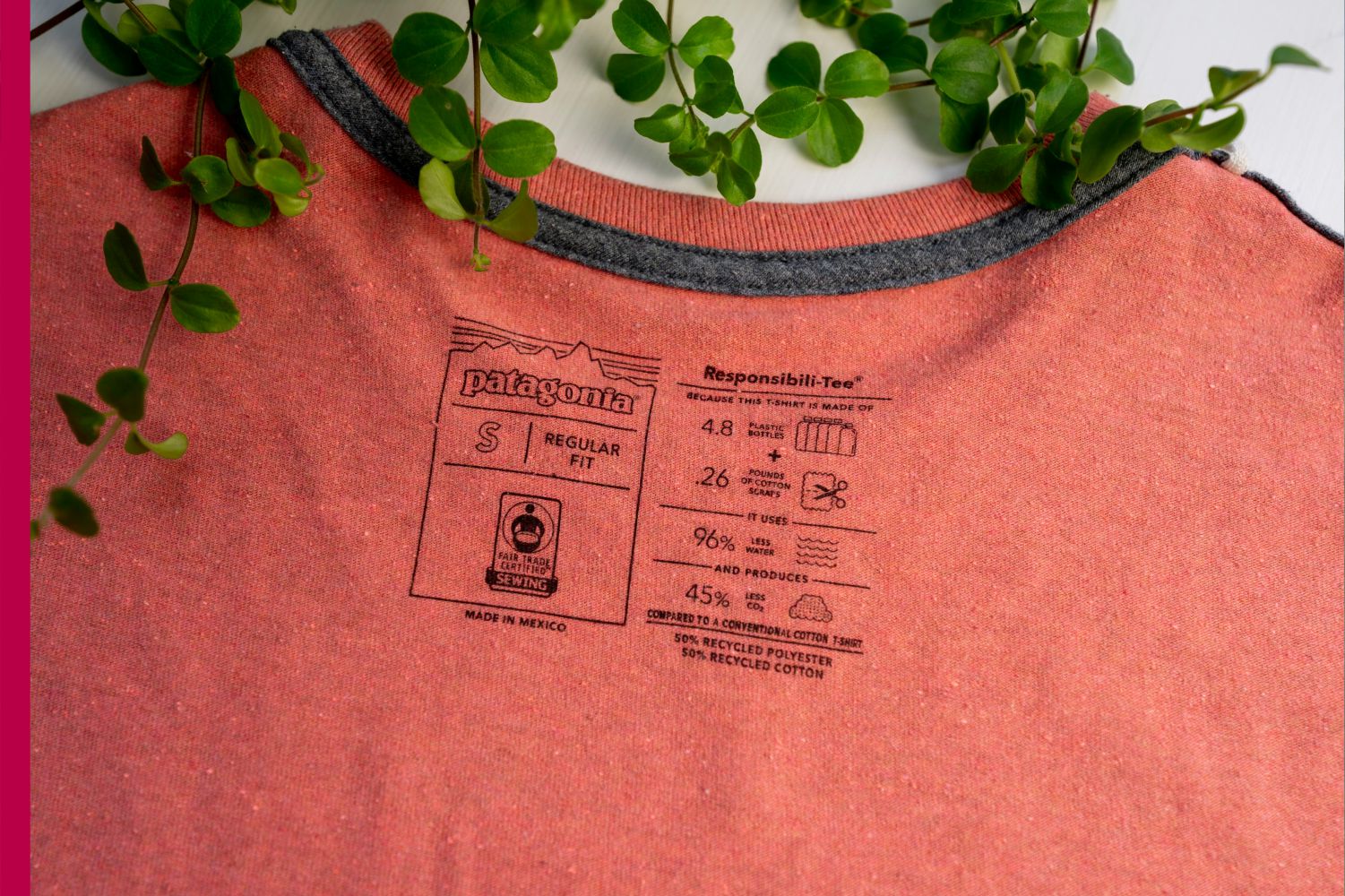
Another important eco-friendly material is recycled fabric. Recycled polyester, for example, is made from post-consumer plastic bottles or textile waste, reducing landfill accumulation and dependence on virgin raw materials. Recycled nylon and other fibers follow similar principles, helping close the loop in fashion production and support a circular economy.
Natural fibers such as linen, hemp, and bamboo are also gaining popularity in sustainable apparel. Linen, made from flax plants, requires minimal water and chemicals, while hemp is known for its durability, fast growth, and low environmental impact. Bamboo-based fabrics, when processed responsibly, offer softness, breathability, and biodegradability, making them suitable for everyday wear.
Innovative materials are further pushing the boundaries of eco-friendly fashion. Plant-based leathers made from pineapple leaves, mushrooms, apple peels, and cactus provide alternatives to animal leather while reducing environmental impact. These materials are increasingly used in shoes, bags, and outerwear, offering durability and style without compromising sustainability.

Sustainable apparel is not only about materials but also about ethical production. Fair labor practices, safe working conditions, and transparent supply chains are essential components of eco-friendly fashion. Consumers are becoming more conscious of where and how their clothes are made, encouraging brands to adopt responsible manufacturing standards and certifications.
Durability and longevity are also central to sustainable fashion. High-quality garments designed to last longer reduce the need for frequent replacements, lowering overall consumption. Repair, reuse, and resale initiatives further extend the life cycle of clothing and minimize waste.
Despite its benefits, sustainable apparel faces challenges such as higher production costs, limited material availability, and lack of consumer awareness in some markets. However, as technology advances and demand grows, eco-friendly materials are becoming more accessible and affordable. Governments, designers, and consumers all play a role in accelerating this transition.
In conclusion, sustainable apparel and eco-friendly clothing materials represent a positive shift toward responsible fashion. By embracing organic, recycled, and innovative materials, along with ethical production practices, the fashion industry can significantly reduce its environmental footprint. For consumers, choosing sustainable clothing is not just a style statement, it is a commitment to protecting the planet and supporting a more ethical and resilient future for fashion.