


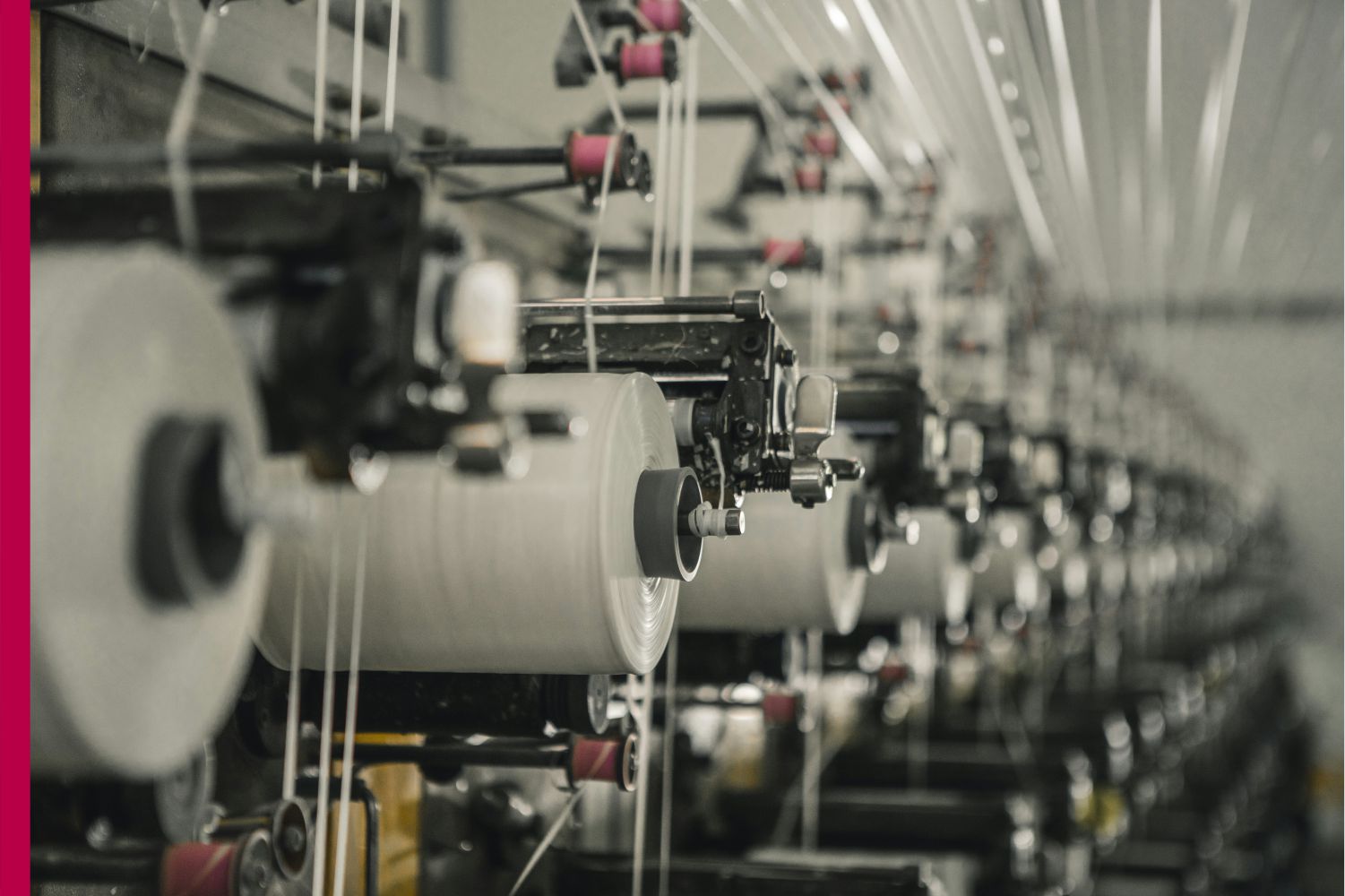

The garment industry is one of the largest and most dynamic sectors in the global manufacturing landscape. With increasing demand for fashion, faster production cycles, and high-quality standards, automation has become a crucial element in modern garment manufacturing. Automation in the garment industry refers to the use of advanced machinery, software, and technology to streamline production processes, reduce manual labor, and improve overall efficiency.
One of the most significant roles of automation in the garment industry is improving production speed and efficiency. Traditionally, garment manufacturing relied heavily on manual labor, which often slowed down production and increased the chances of human error. Automated cutting machines, sewing equipment, and fabric handling systems allow manufacturers to produce garments at a much faster rate while maintaining consistent quality. These technologies help companies meet large-scale orders and tight delivery schedules without compromising accuracy.
Automation also plays a vital role in improving product quality. In manual production processes, variations in stitching, cutting, or fabric alignment can affect the final product. Automated systems ensure precision in each step of production. For example, computerized cutting machines can cut multiple layers of fabric with exact measurements, reducing fabric waste and ensuring uniformity. Similarly, automated sewing machines can perform complex stitching patterns with high accuracy, resulting in well-finished garments.
Cost reduction is another major advantage of automation in the garment industry. While the initial investment in automated machinery may be high, it significantly reduces long-term operational costs. Automation reduces the need for extensive manual labor, minimizes errors, and lowers material waste. By optimizing production processes, manufacturers can save time and resources, ultimately improving profitability. Many garment companies adopt automation to remain competitive in a global market where cost efficiency is essential.
Automation also helps enhance workplace safety and working conditions. Certain tasks in garment manufacturing, such as fabric cutting or handling heavy materials, can be physically demanding and potentially hazardous. Automated machines take over these repetitive and risky tasks, reducing the chances of workplace injuries. As a result, workers can focus on more skilled tasks such as quality inspection, machine supervision, and production planning.
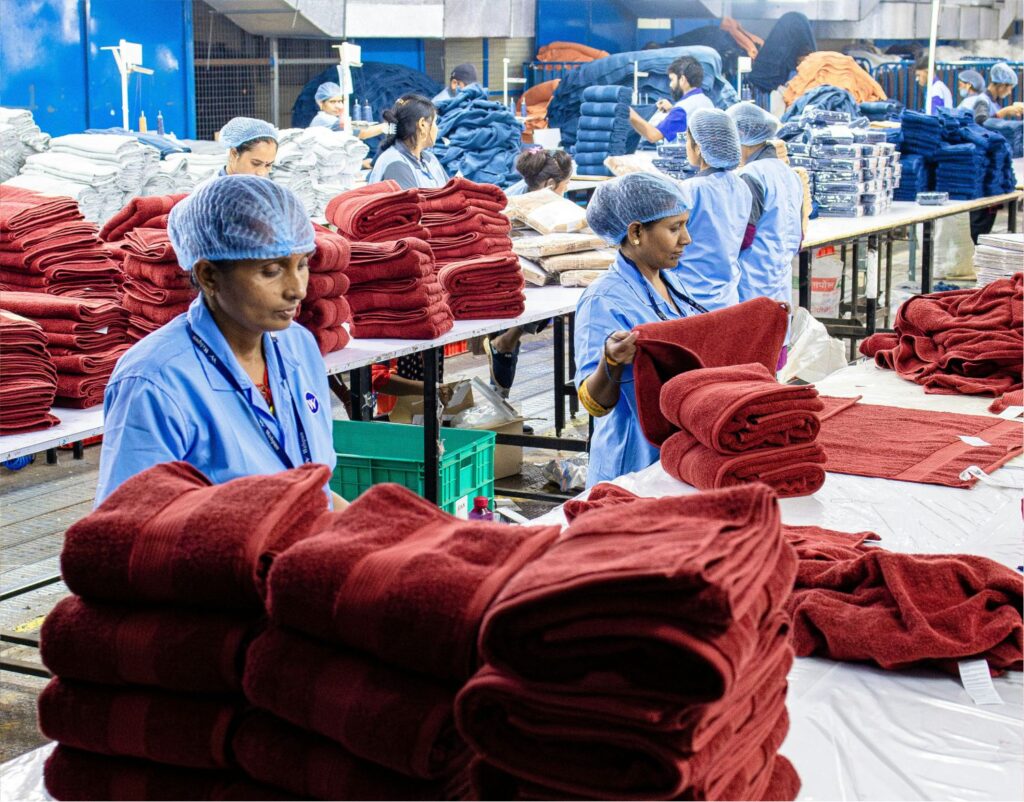
Another important role of automation is supporting customization and flexible production. Modern consumers often demand personalized clothing and smaller production batches rather than mass-produced garments. Automation technologies, including digital design systems and computer-aided manufacturing tools, make it easier for manufacturers to adjust designs quickly and produce customized clothing efficiently. This flexibility allows brands to respond rapidly to changing fashion trends and consumer preferences.
Automation also improves supply chain management in the garment industry. Advanced software systems help track inventory, manage production schedules, and monitor machine performance in real time. These digital tools enable manufacturers to maintain better control over their operations and reduce delays in production and delivery. Efficient supply chain management ensures that garments reach retailers and consumers on time.
Despite its advantages, automation does not completely replace human workers in the garment industry. Instead, it transforms job roles and requires workers to develop new technical skills to operate and maintain advanced machinery. Training and skill development become essential as the industry evolves toward technology-driven manufacturing.
In conclusion, automation plays a transformative role in the garment industry by increasing efficiency, improving product quality, reducing costs, and enhancing workplace safety. It also enables manufacturers to adapt to changing consumer demands and global competition. As technology continues to advance, automation will remain a key factor in shaping the future of the garment industry, creating a more productive, innovative, and sustainable manufacturing environment.