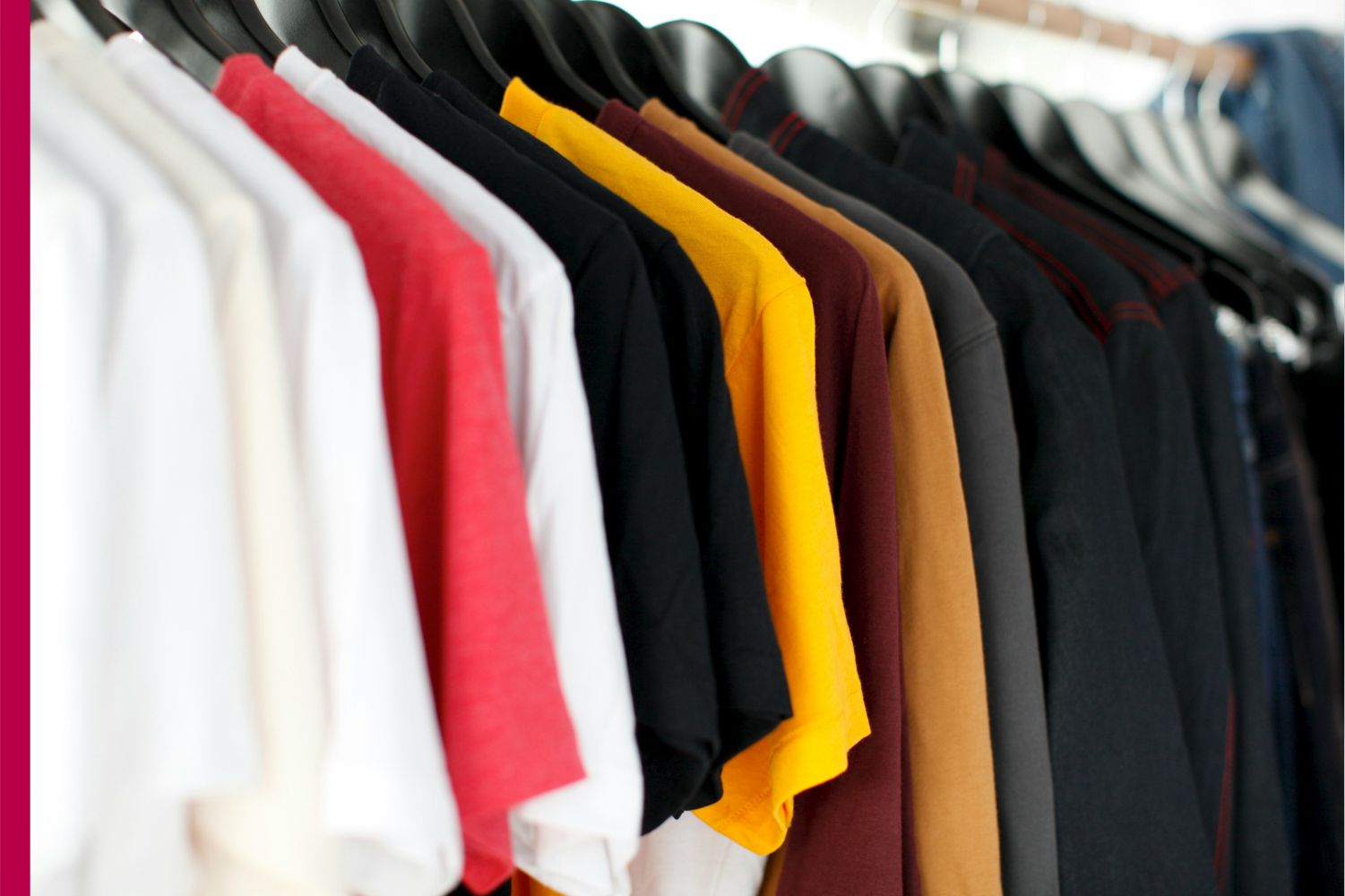


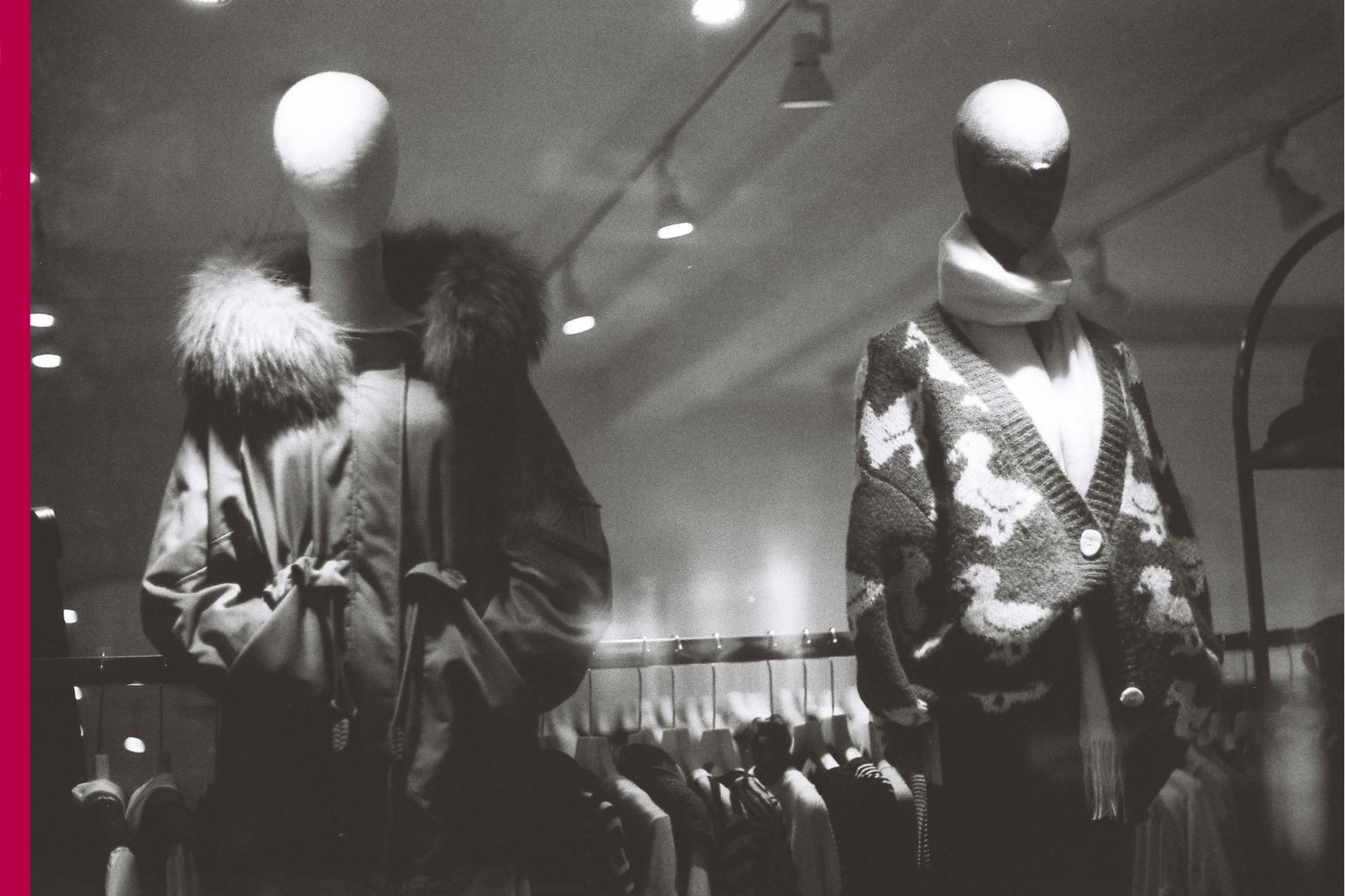

The fashion industry has undergone a significant transformation in recent years, driven by a growing awareness of sustainability, ethics, and conscious consumption. At the center of this change is the contrast between fast fashion and slow fashion. While fast fashion focuses on rapid production and low-cost trends, slow fashion emphasizes quality, sustainability, and mindful purchasing. Today, consumers are gradually shifting their preferences, redefining how fashion is produced and consumed.
Fast fashion is built on speed and affordability. Brands quickly replicate runway trends and deliver them to stores within weeks, allowing consumers to stay updated with the latest styles at low prices. This model encourages frequent buying and short-term use, often leading to excessive consumption. While fast fashion makes clothing accessible, it also contributes to environmental damage, including textile waste, water pollution, and high carbon emissions. Additionally, concerns about labor conditions in manufacturing facilities have raised ethical questions about the true cost of cheap clothing.
In contrast, slow fashion promotes a more thoughtful approach. It focuses on creating durable, high-quality garments that are designed to last longer. Slow fashion brands prioritize ethical production, fair wages, and environmentally friendly materials. Instead of chasing trends, this movement encourages timeless designs and conscious purchasing decisions. Consumers are urged to buy less, choose better, and make their clothing last.
The shift toward slow fashion is largely driven by increased awareness. Social media, documentaries, and global conversations around climate change have educated consumers about the impact of their choices. Younger generations, particularly Gen Z and millennials, are more likely to support sustainable brands and question the practices behind fast fashion. Transparency has become a key factor, with consumers wanting to know where and how their clothes are made.
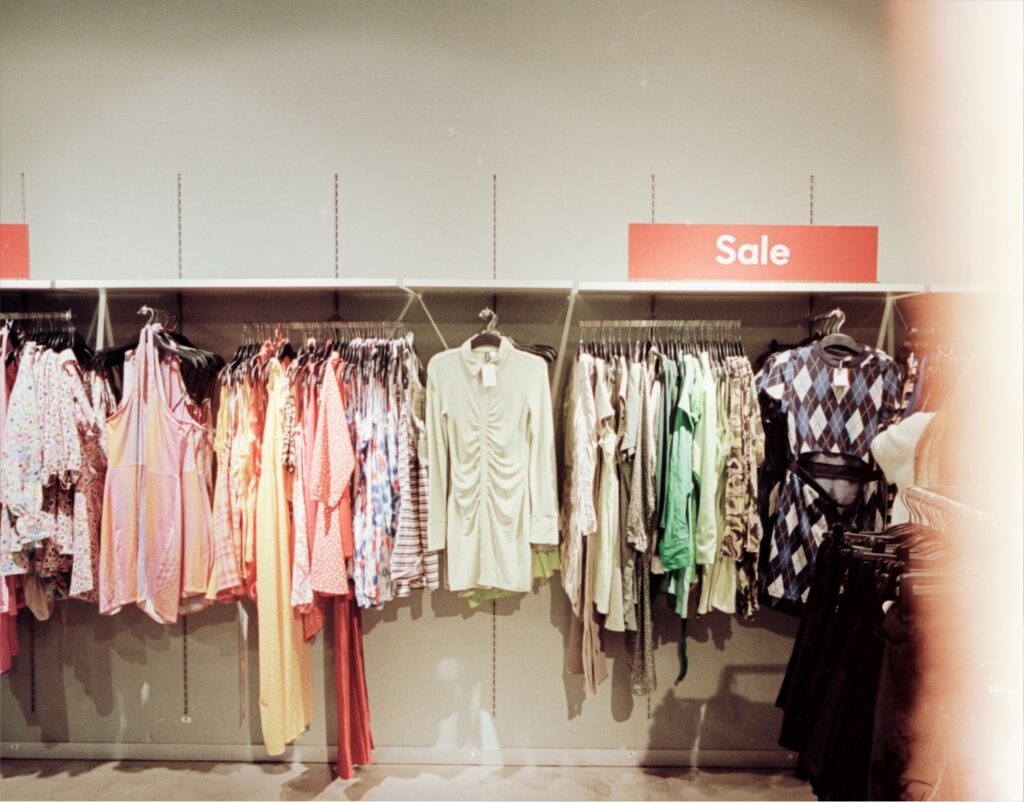
Another factor influencing this shift is the rise of minimalism and mindful living. Many people are moving away from overcrowded wardrobes and embracing capsule collections that include versatile, long-lasting pieces. This approach not only reduces waste but also simplifies daily life. Consumers are beginning to value quality over quantity, seeing clothing as an investment rather than a disposable item.
Technology and innovation are also supporting the growth of slow fashion. Sustainable fabrics, recycling techniques, and second-hand marketplaces are making eco-friendly fashion more accessible. Thrifting, clothing rentals, and upcycling have gained popularity, allowing consumers to participate in fashion without contributing to overproduction.
However, the transition is not without challenges. Slow fashion products are often more expensive, which can limit accessibility for some consumers. Fast fashion still dominates due to its affordability and convenience. The key lies in balance encouraging responsible consumption while making sustainable options more inclusive and affordable.
In conclusion, the shift from fast fashion to slow fashion reflects a broader change in consumer values. People are becoming more conscious of their impact on the environment and society, leading to more responsible purchasing decisions. While fast fashion remains influential, the growing demand for sustainability signals a promising future where fashion aligns with ethics, quality, and long-term value.