




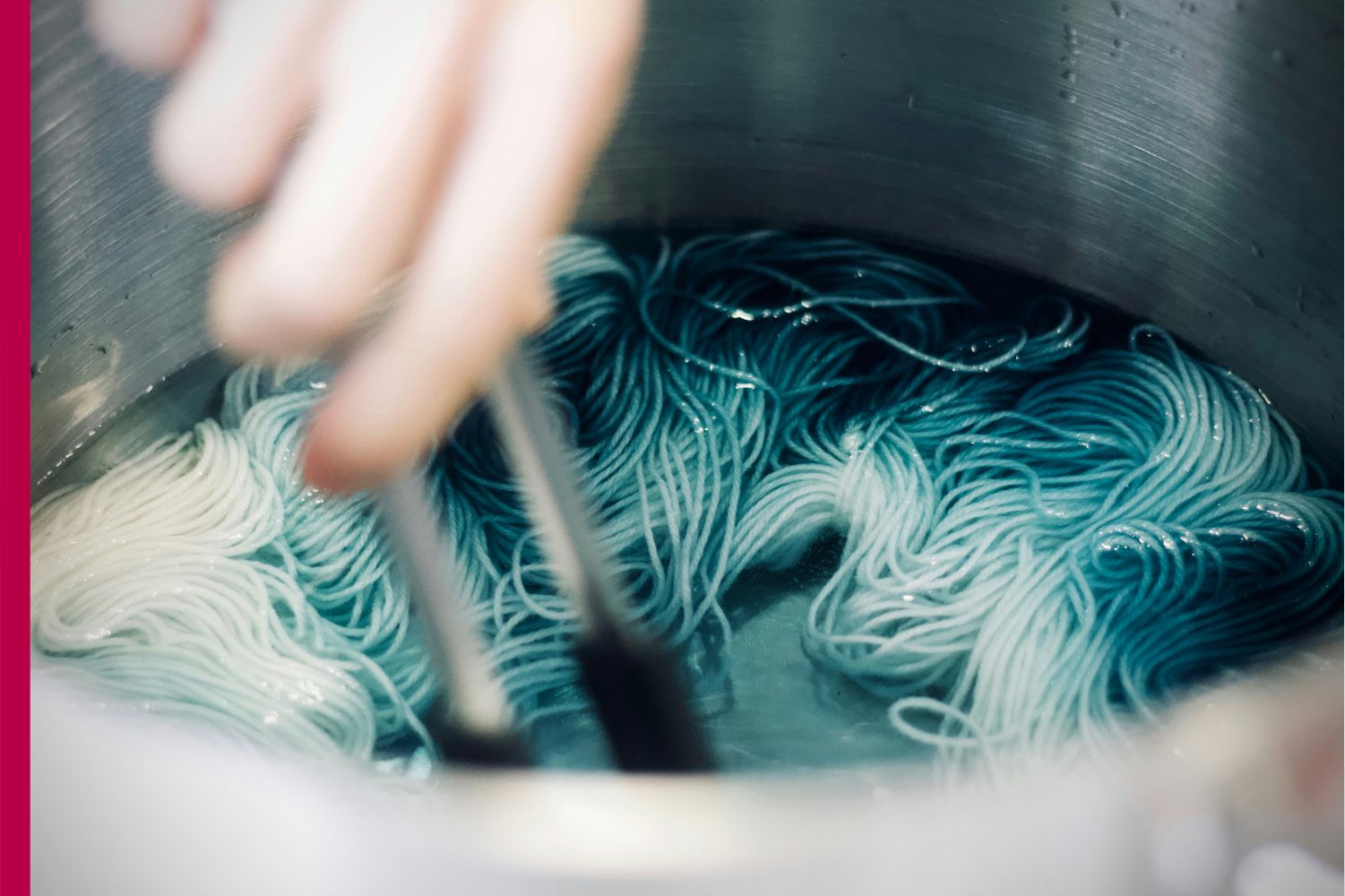
Dyeing clothes is a fascinating process that blends creativity, tradition, and science to transform plain fabrics into vibrant, expressive garments. For centuries, people across cultures have used dyeing techniques to add color, identity, and meaning to clothing. From natural plant-based dyes used in ancient civilizations to modern synthetic dyes in today’s fashion industry, dyeing clothes continues to play a vital role in textile design and personal style.
The dyeing process begins with the selection of fabric. Natural fibers such as cotton, silk, wool, and linen absorb dyes more effectively than synthetic materials, making them ideal for rich and lasting colors. Before dyeing, fabrics are thoroughly washed to remove dirt, oils, or finishes that may prevent even color absorption. This preparation step is essential to achieve consistent and vibrant results.
There are various dyeing methods, each offering unique textures and visual effects. One of the most traditional methods is natural dyeing, which uses sources like indigo leaves, turmeric, madder root, and onion skins. These dyes are eco-friendly and produce earthy, subtle tones that are highly valued in sustainable fashion. Tie-dye, a popular resist-dyeing technique, involves tying or folding fabric to create patterns before applying dye, resulting in colorful, artistic designs. Other methods such as batik, dip dyeing, and ombré dyeing add depth and character to garments.
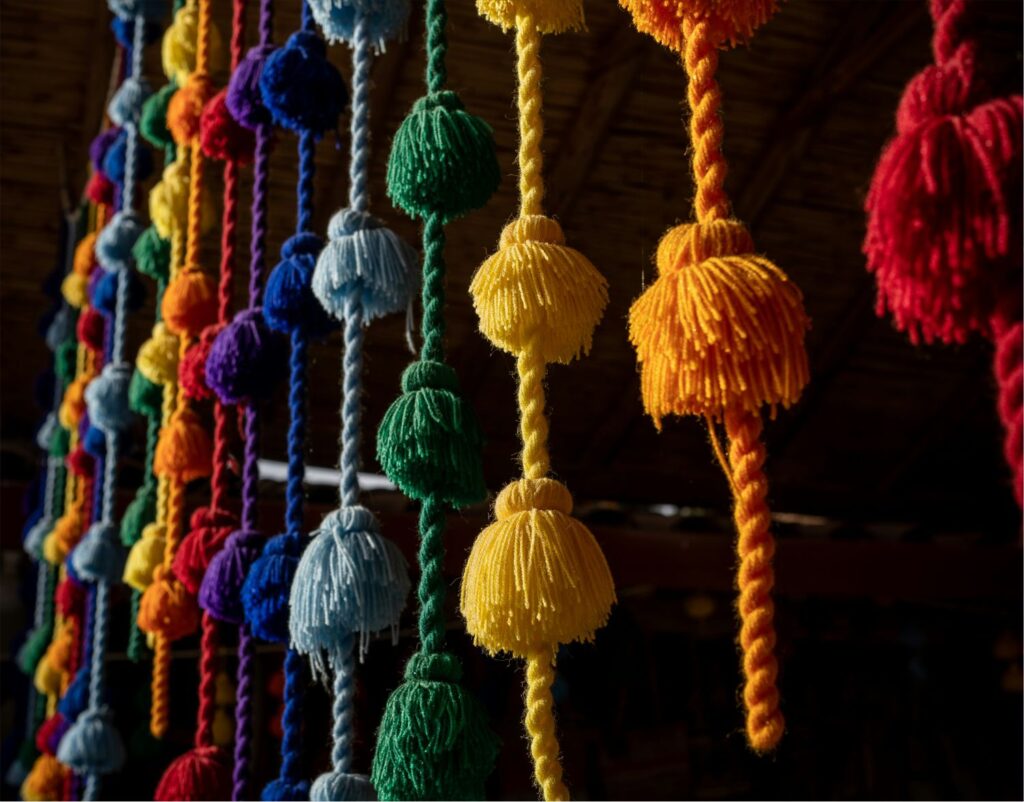
Modern textile industries rely heavily on synthetic dyes due to their wide color range, durability, and cost efficiency. Reactive dyes, acid dyes, and disperse dyes are commonly used depending on the type of fabric. These dyes form strong bonds with fibers, ensuring colorfastness and resistance to washing and sunlight. Advanced machinery and temperature-controlled processes help achieve uniform coloring on a large scale, meeting the demands of fast fashion and mass production.
Beyond aesthetics, dyeing clothes also serves functional and cultural purposes. In many cultures, specific colors represent traditions, festivals, or social status. Uniform dyeing ensures consistency and identity in schools, organizations, and workplaces. In recent years, garment dyeing has become popular in fashion, where finished clothes are dyed to create a soft, worn-in look and unique shades that stand out from standard production.
Sustainability has become a key focus in the dyeing industry. Traditional dyeing processes often consume large amounts of water and chemicals, leading to environmental concerns. As a result, eco-conscious practices such as low-water dyeing, digital printing, and the use of biodegradable dyes are gaining momentum. Many designers and brands are now embracing upcycling and re-dyeing old clothes as a way to reduce waste and extend the life of garments.
In conclusion, dyeing clothes is more than just adding color to fabric it is a form of artistic expression and cultural heritage. Whether done by hand as a craft or through advanced industrial techniques, dyeing continues to shape the world of fashion. By combining innovation with sustainability, the future of dyeing clothes promises colorful creativity with a responsible approach to the planet.