




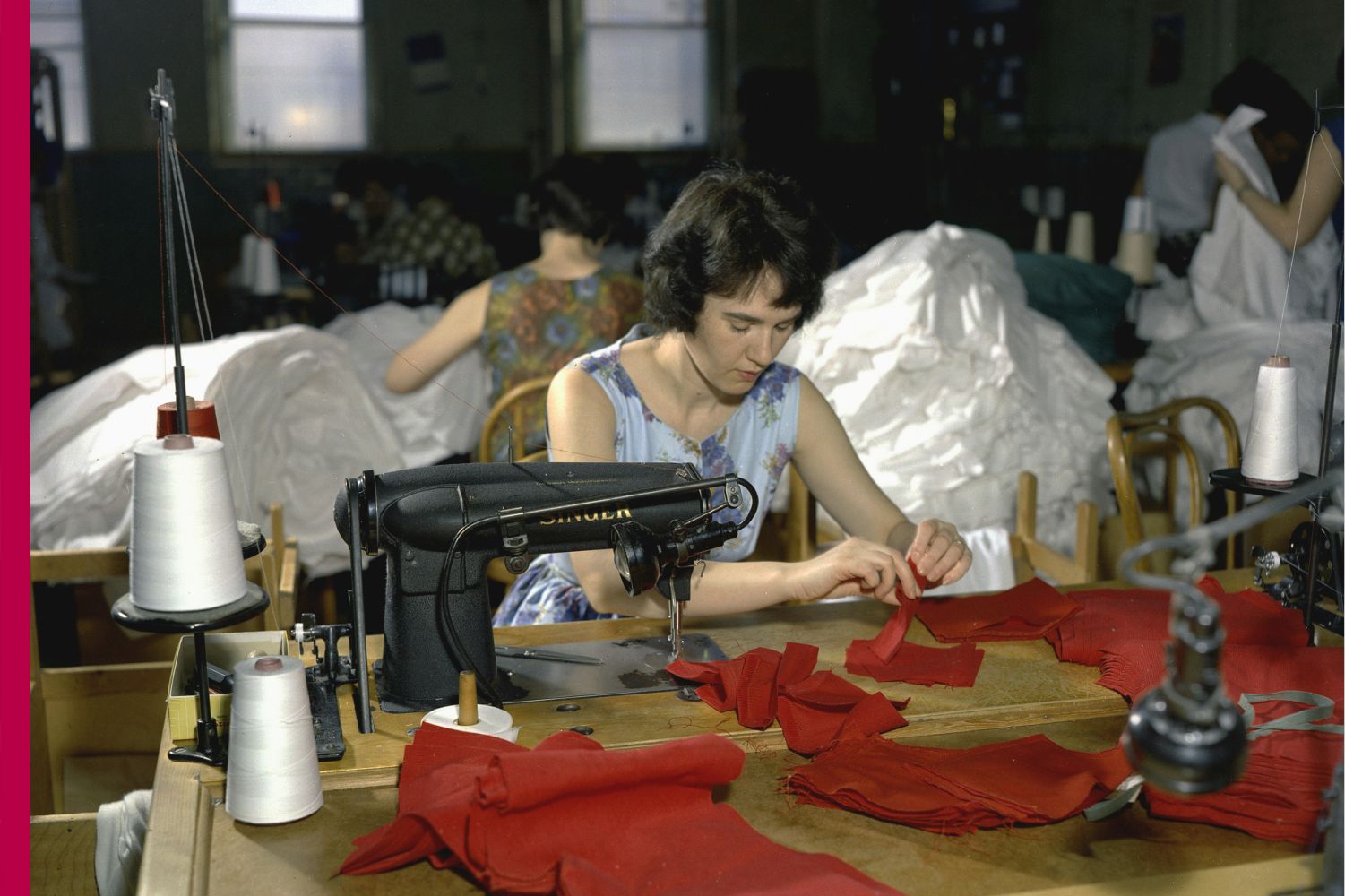
The apparel manufacturing industry is undergoing a major transformation driven by changing consumer preferences, technological advancements, and growing sustainability demands. As fashion cycles become shorter and customers expect higher quality, customization, and ethical practices, manufacturers are adopting innovative approaches to remain competitive. Modern apparel manufacturing trends are reshaping how clothing is designed, produced, and delivered to the global market.
One of the most significant trends in apparel manufacturing is the adoption of advanced automation and smart machinery. Automated cutting, sewing, and finishing technologies are improving precision, speed, and consistency in production. Robotics and computer-controlled equipment reduce dependency on manual labor while increasing efficiency and minimizing errors. Automation also helps manufacturers handle large-scale production with tighter deadlines, meeting the demands of fast-moving fashion markets.
Digitalization is playing a crucial role in modern apparel manufacturing. Technologies such as 3D design, digital sampling, and virtual prototyping allow brands to visualize garments before physical production begins. This reduces the need for multiple physical samples, saving time, materials, and costs. Digital tools also enable faster design modifications and better collaboration between designers, manufacturers, and suppliers across different locations.
Sustainability has become a key focus area in apparel manufacturing innovation. Consumers are increasingly conscious of environmental impact, pushing brands to adopt eco-friendly practices. Manufacturers are using sustainable raw materials such as organic cotton, recycled fibers, and biodegradable fabrics. Water-efficient dyeing processes, reduced chemical usage, and waste recycling initiatives are helping lower the environmental footprint of garment production. Sustainable manufacturing not only benefits the environment but also strengthens brand reputation and consumer trust.
Another important trend is on-demand and small-batch manufacturing. Instead of mass-producing large quantities, manufacturers are shifting toward producing smaller batches based on real-time demand. This approach reduces excess inventory, minimizes waste, and allows brands to respond quickly to changing fashion trends. On-demand manufacturing is particularly beneficial for customized and personalized apparel, where consumers seek unique designs and perfect fits.
Supply chain transparency and traceability are gaining importance in the apparel industry. Digital tracking systems and data platforms help manufacturers monitor the movement of materials and products throughout the supply chain. This transparency ensures ethical sourcing, fair labor practices, and quality control. Brands and consumers alike value clear information about where and how garments are produced.
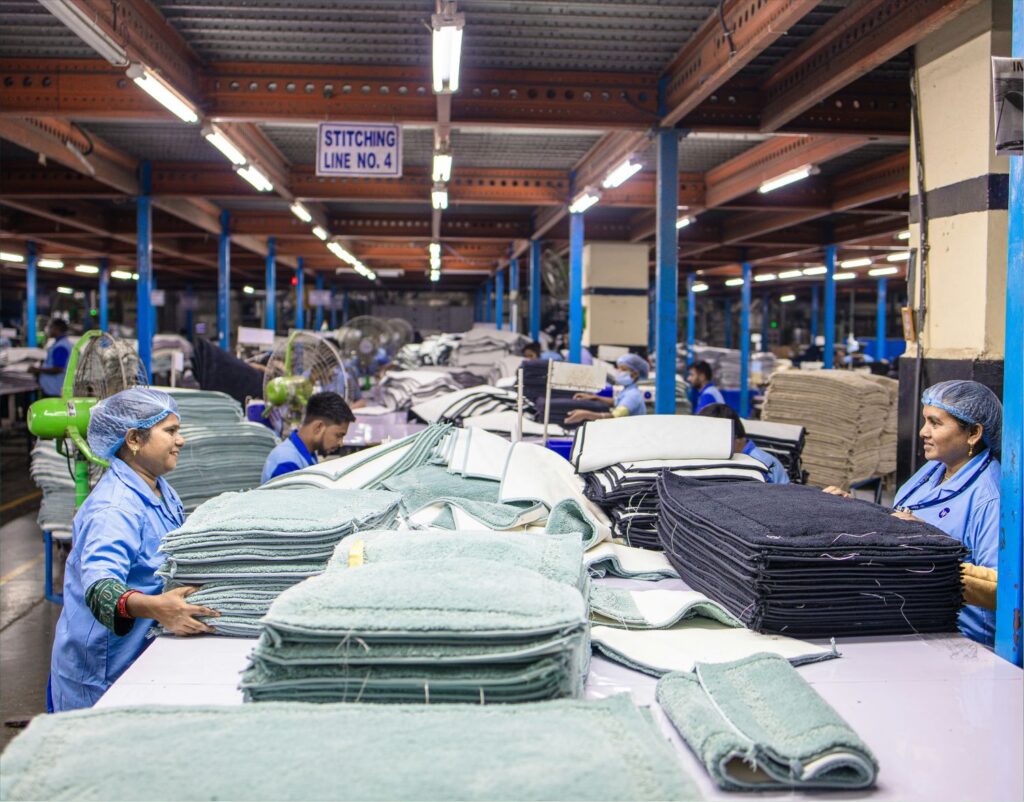
Innovation in materials is also transforming apparel manufacturing. Smart textiles and functional fabrics are being developed to enhance comfort, durability, and performance. Fabrics with moisture-wicking, temperature-regulating, antimicrobial, and stretch properties are increasingly used in sportswear, activewear, and everyday clothing. These innovations add value to products and cater to evolving consumer lifestyles.
Speed-to-market is another critical trend shaping apparel manufacturing. With fashion trends changing rapidly, manufacturers are optimizing workflows to shorten production cycles. Agile manufacturing models, local sourcing, and efficient logistics help brands launch collections faster and stay competitive in dynamic markets.
Despite these advancements, the industry faces challenges such as rising production costs, labor shortages, and the need for skilled workers to operate advanced technologies. Continuous training and investment in innovation are essential to overcome these obstacles.
In conclusion, apparel manufacturing trends and innovations are transforming the fashion industry by improving efficiency, sustainability, and flexibility. Through automation, digitalization, sustainable practices, and material innovation, manufacturers are building smarter and more responsible production systems. As consumer expectations continue to evolve, embracing these trends will be key to long-term growth and success in the global apparel market.