


The rapid advancement of Artificial Intelligence is transforming industries, redefining job roles, and reshaping the global workforce. From automation in manufacturing to intelligent systems in healthcare and finance, AI is changing how work is performed and what skills are required. While this transformation brings concerns about job displacement, it also creates new opportunities for innovation, productivity, and career growth.
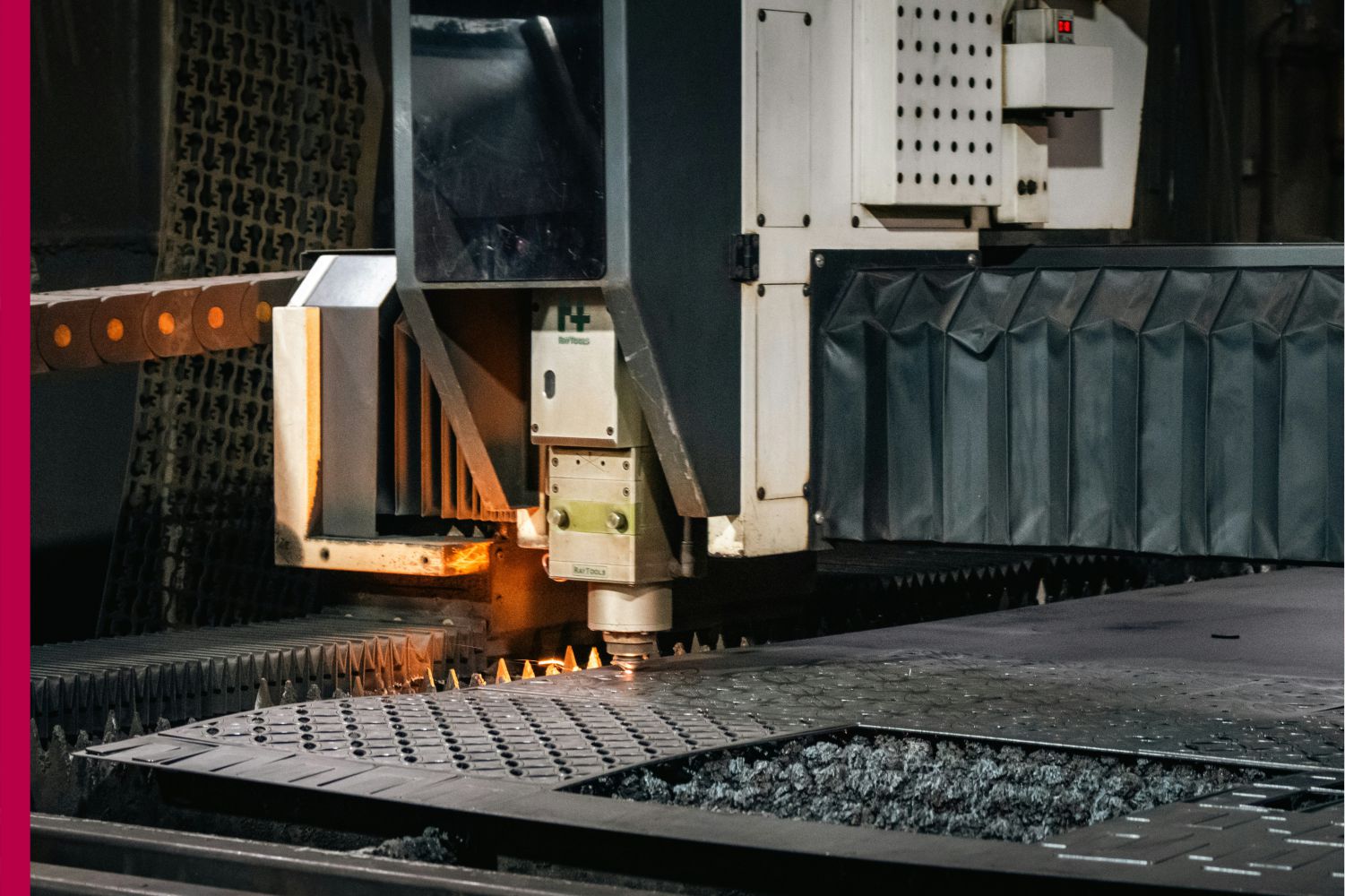
One of the most noticeable impacts of AI is automation of repetitive and routine tasks. Jobs that involve predictable processes, such as data entry, basic customer service, and assembly line work, are increasingly being handled by machines and software systems. This shift allows businesses to operate more efficiently and reduce operational costs. However, it also raises concerns about job losses in certain sectors, particularly for roles that require minimal human judgment.
Despite these concerns, AI is also creating entirely new job categories. As organizations adopt advanced technologies, there is a growing demand for professionals skilled in data science, machine learning, AI development, and cybersecurity. These roles require specialized knowledge and technical expertise, highlighting the importance of education and continuous skill development. The future workforce will need to adapt by acquiring digital and analytical skills that align with emerging technologies.
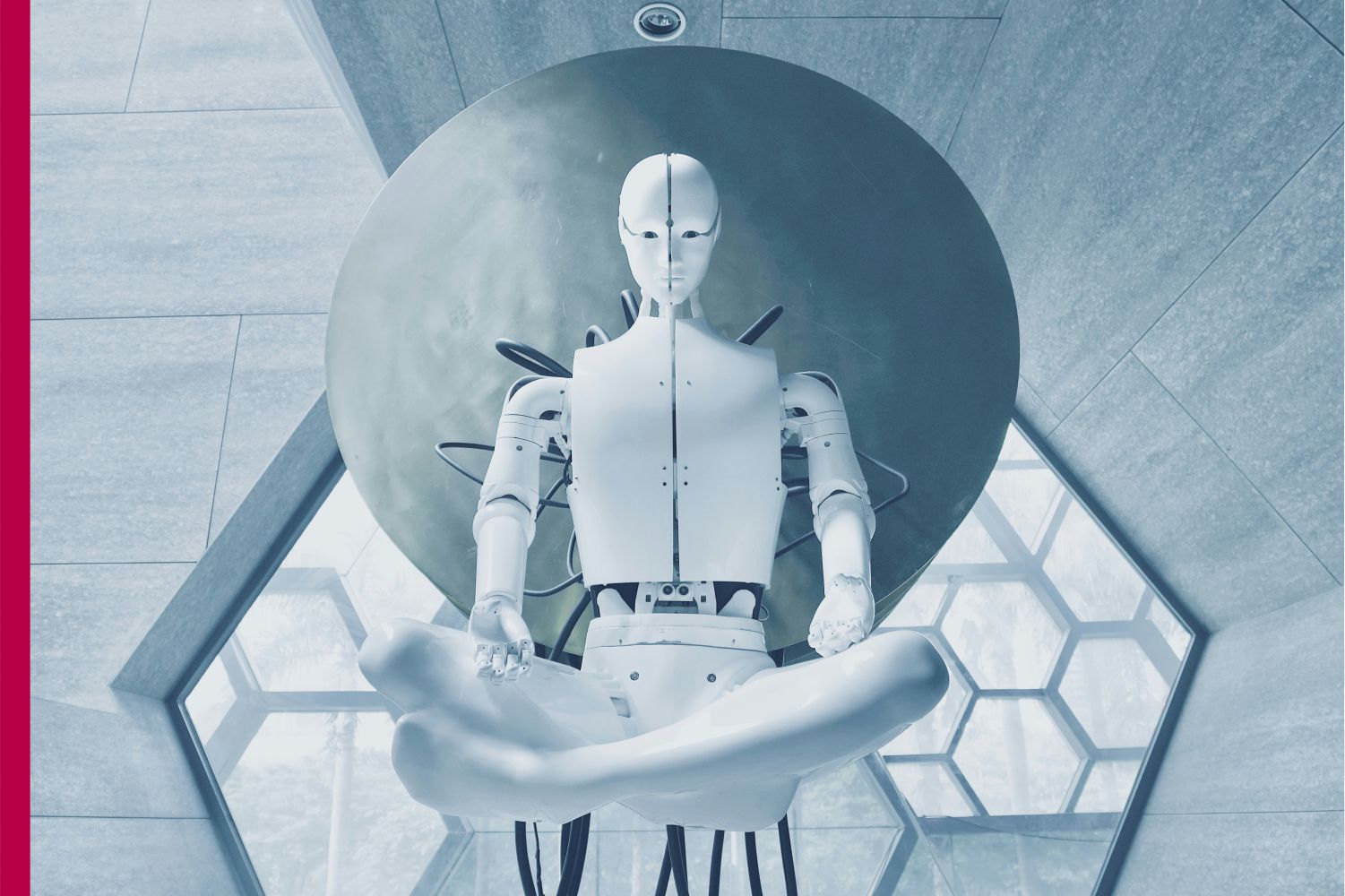
Another important trend is the transformation of existing jobs rather than their complete replacement. In many industries, AI is being used to assist workers rather than replace them. For example, in healthcare, AI systems can analyze medical data and support doctors in diagnosing diseases, improving accuracy and efficiency. In finance, AI tools help analysts process large datasets and identify trends more quickly. This collaboration between humans and machines enhances productivity and allows professionals to focus on complex decision-making tasks.
The rise of remote work and digital collaboration is also closely linked to AI advancements. Intelligent communication tools and automation platforms enable teams to work efficiently from different locations. This shift has expanded job opportunities beyond geographical boundaries, allowing individuals to work for global companies without relocating. The digital workplace is becoming more flexible and interconnected, offering new possibilities for work-life balance.

Soft skills are becoming increasingly valuable in the age of AI. While machines excel at processing data and performing repetitive tasks, human skills such as creativity, critical thinking, emotional intelligence, and problem-solving remain difficult to replicate. Employers are placing greater emphasis on these abilities, as they are essential for innovation, leadership, and collaboration in complex work environments.
Education and training systems must also evolve to prepare individuals for the future job market. Traditional learning models may not be sufficient to keep pace with rapid technological changes. Lifelong learning, online education platforms, and skill-based training programs are becoming essential for career development. Governments and organizations are investing in reskilling and upskilling initiatives to help workers transition into new roles.
However, the transition to an AI-driven workforce also presents challenges. Income inequality, job displacement, and access to education are critical issues that need to be addressed. Policymakers must develop strategies to ensure that the benefits of AI are distributed fairly across society. Social safety nets, workforce training programs, and inclusive policies can help mitigate the negative impacts of technological change.
In conclusion, the future of jobs in the age of AI is both challenging and promising. While automation may replace certain roles, it also creates new opportunities and enhances existing jobs. By embracing continuous learning, developing relevant skills, and adapting to technological advancements, individuals and organizations can thrive in this evolving workforce landscape. The key lies in balancing innovation with inclusivity to build a future where humans and technology work together effectively.