


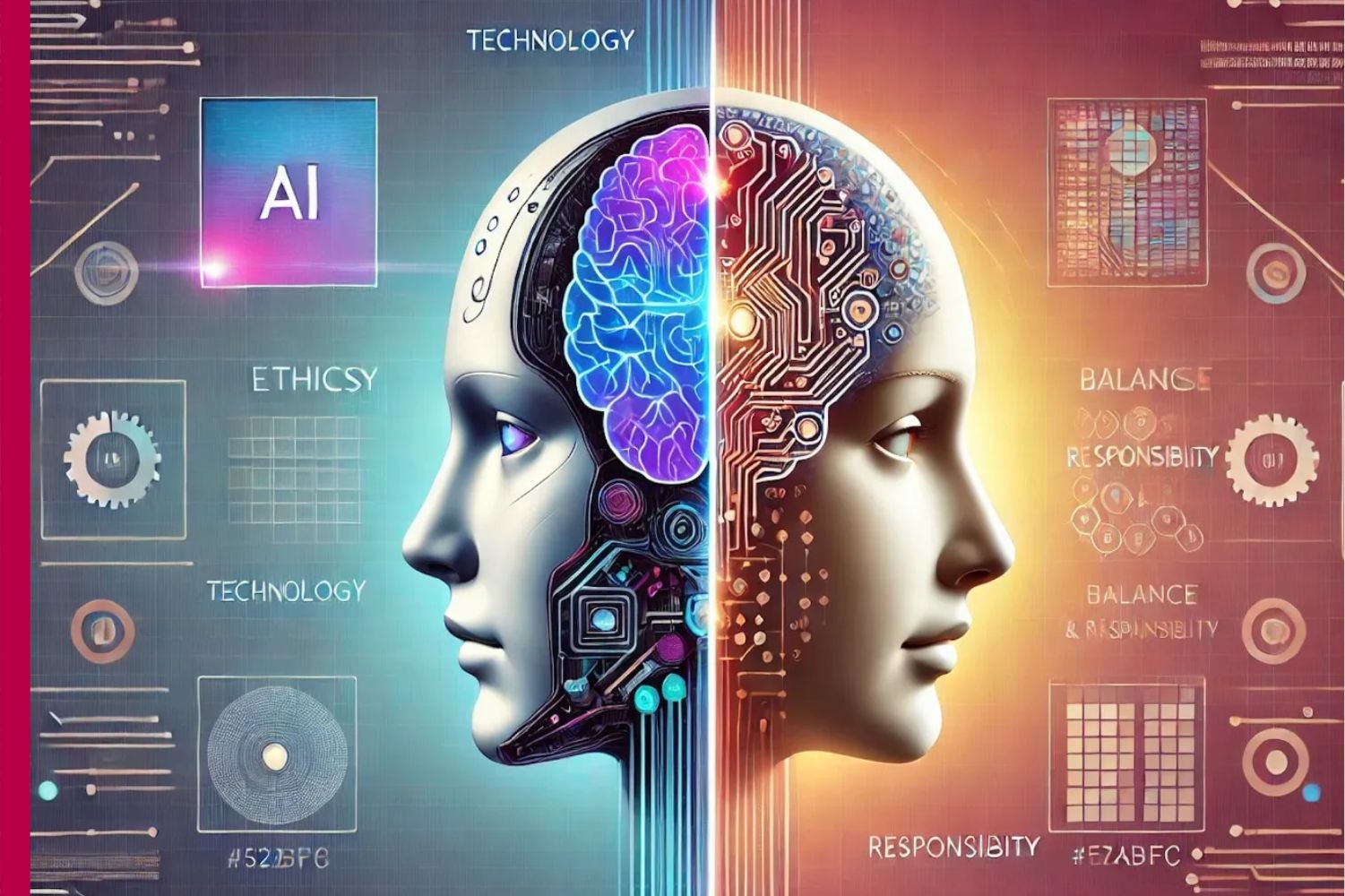

Artificial Intelligence (AI) is transforming industries, economies, and everyday life at an unprecedented pace. From healthcare and finance to education and transportation, AI systems are making decisions that directly affect people and society. While these technologies offer immense benefits, they also raise serious ethical issues and challenges that must be addressed to ensure AI is developed and used responsibly.
One of the most pressing ethical concerns in artificial intelligence is bias and fairness. AI systems learn from data, and if that data contains historical biases or unequal representation, the resulting models can reinforce discrimination. Biased AI outcomes have been observed in areas such as hiring, lending, facial recognition, and law enforcement. These biases can disadvantage certain groups based on gender, race, or socioeconomic background, raising concerns about equality and justice in automated decision-making.
Transparency and explainability are another major ethical challenge. Many AI models, especially complex machine learning systems, operate as “black boxes,” meaning their decision-making processes are not easily understood. When AI systems are used in critical areas such as healthcare diagnosis or credit approval, lack of transparency makes it difficult to explain decisions, identify errors, or hold systems accountable. Ethical AI requires models that are interpretable and decisions that can be explained to users and stakeholders.
Data privacy and security are also central ethical issues in AI. AI systems often rely on vast amounts of personal and sensitive data to function effectively. Improper data handling, unauthorized access, or misuse of personal information can violate individual privacy and erode public trust. Ethical AI development demands strong data protection measures, informed consent, and compliance with privacy regulations to safeguard user rights.
Accountability and responsibility pose complex challenges as well. When an AI system makes a harmful or incorrect decision, it is often unclear who is responsible—the developer, the organization deploying the system, or the algorithm itself. This lack of clear accountability can make it difficult to address harm and seek justice. Establishing legal and ethical frameworks that define responsibility is essential as AI systems become more autonomous.

The impact of AI on employment and society is another ethical concern. Automation powered by AI can increase efficiency and productivity, but it may also lead to job displacement in certain sectors. Without proper planning, reskilling, and social support, AI-driven automation can widen economic inequality. Ethical AI adoption should balance technological progress with social responsibility by investing in workforce development and inclusive growth.
AI safety and misuse represent additional challenges. AI technologies can be exploited for harmful purposes such as surveillance, deepfakes, cyberattacks, or autonomous weapons. Preventing misuse requires ethical guidelines, regulatory oversight, and international cooperation to ensure AI is aligned with human values and global security.
Despite these challenges, ethical AI is achievable through proactive efforts. Principles such as fairness, transparency, accountability, and human oversight should guide AI design and deployment. Multidisciplinary collaboration among technologists, policymakers, ethicists, and the public is crucial to shaping responsible AI practices.
In conclusion, ethical issues and challenges in artificial intelligence are deeply connected to how technology interacts with human values and society. Addressing bias, transparency, privacy, accountability, and social impact is essential to building trustworthy AI systems. As AI continues to evolve, embedding ethics into its development and governance will be critical to ensuring that artificial intelligence serves humanity in a fair, safe, and sustainable way.