


Precision farming technology is transforming traditional agriculture by introducing data-driven methods that improve efficiency, productivity, and sustainability. Also known as precision agriculture, this approach uses advanced technologies such as sensors, GPS, data analytics, and automation to manage crops and farmland more accurately. Instead of treating an entire field uniformly, precision farming allows farmers to make targeted decisions based on real-time data, leading to better outcomes and reduced resource waste.
One of the primary benefits of precision farming technology is improved crop productivity. By analyzing soil conditions, moisture levels, nutrient content, and crop health, farmers can apply the right inputs at the right time and in the right quantity. This targeted approach ensures that crops receive optimal care, resulting in higher yields and better quality produce. Precision farming also helps farmers respond quickly to changing conditions such as drought, pest infestations, or nutrient deficiencies.
Efficient use of resources is another major advantage of precision agriculture. Traditional farming methods often lead to overuse of water, fertilizers, and pesticides. Precision farming technologies such as variable rate application systems allow farmers to apply inputs only where they are needed. This reduces input costs, conserves natural resources, and minimizes environmental impact. Water management systems based on soil moisture sensors help optimize irrigation, preventing both overwatering and water stress.
Precision farming plays a significant role in reducing environmental impact. By minimizing excessive use of chemicals and water, it helps protect soil health, groundwater, and surrounding ecosystems. Accurate application of fertilizers and pesticides reduces runoff and pollution, supporting sustainable farming practices. This environmentally responsible approach is increasingly important as agriculture faces pressure to meet global food demand while preserving natural resources.
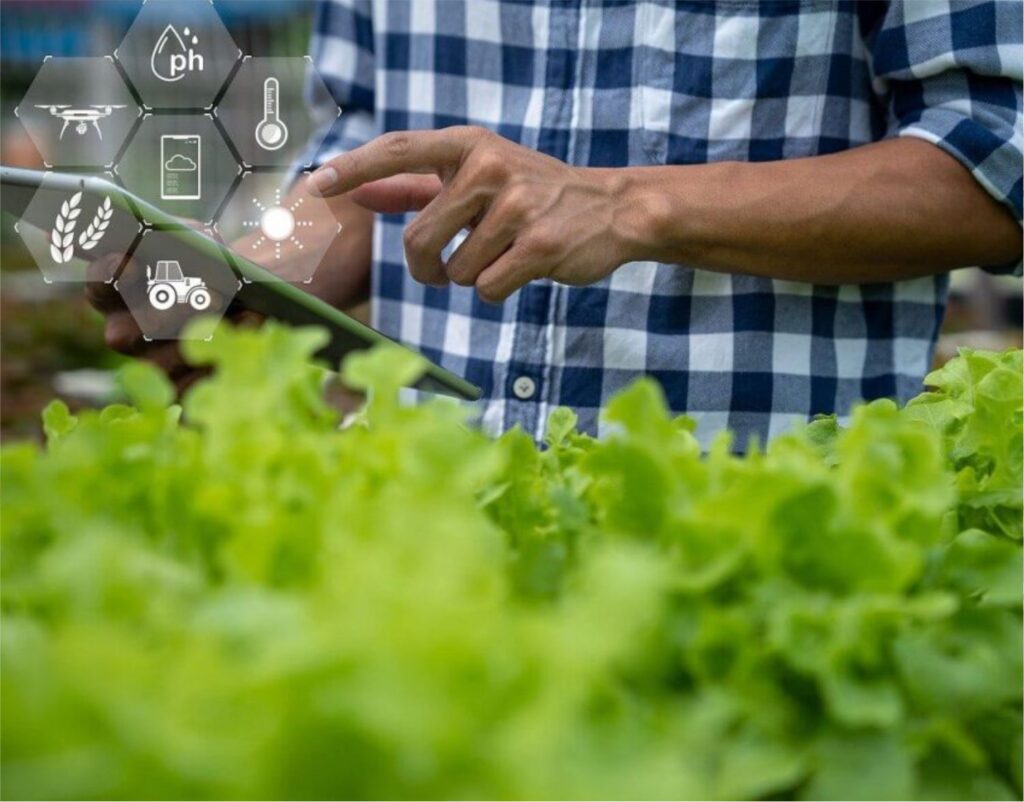
Technology-driven decision-making is at the core of precision farming. Data collected from drones, satellites, sensors, and farm machinery is analyzed using software platforms to generate actionable insights. Farmers can monitor crop growth, detect diseases early, and assess field variability with greater accuracy. These insights enable proactive management, reducing crop losses and improving overall farm performance.
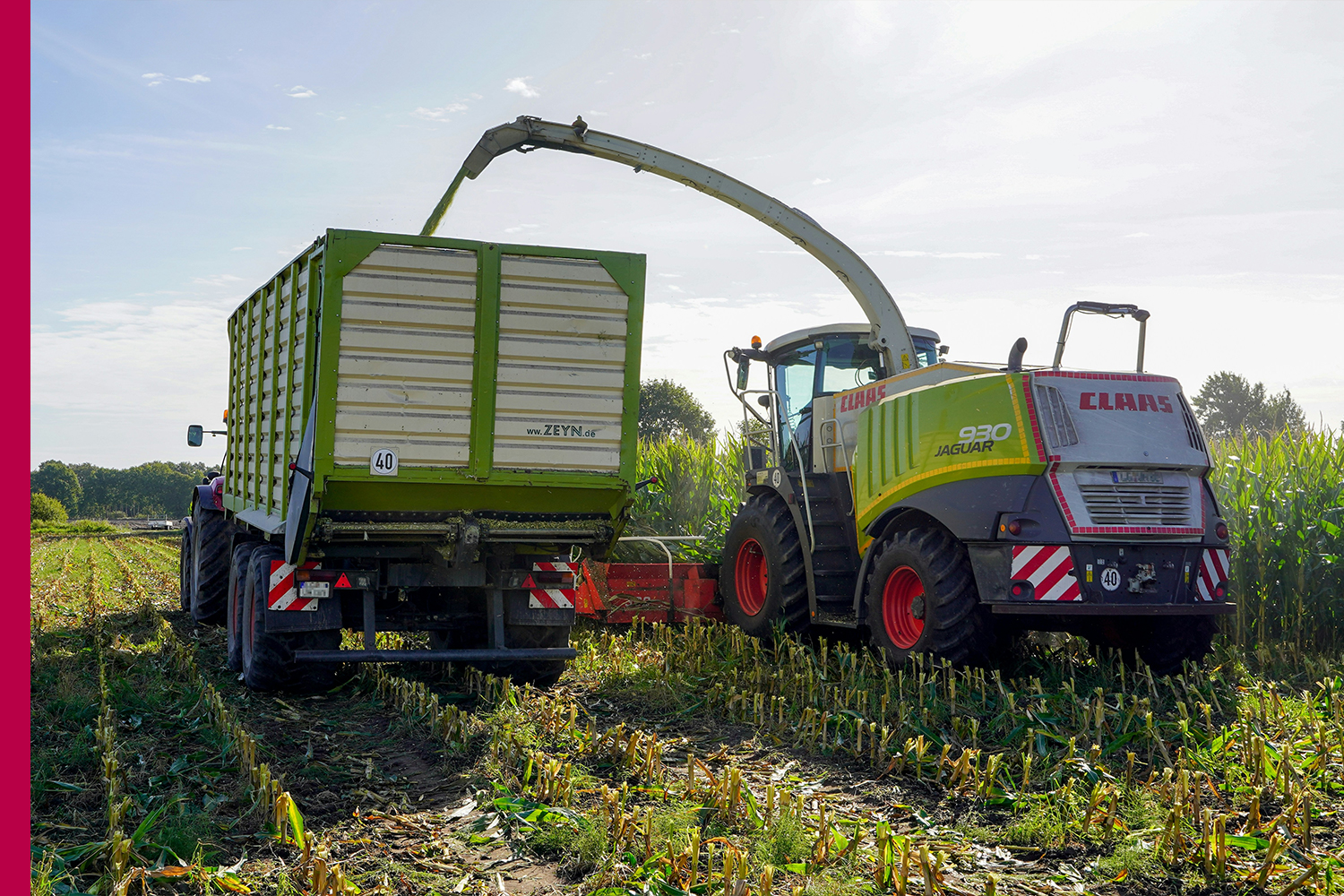
Precision farming also enhances operational efficiency and saves time. Automated machinery such as GPS-guided tractors and harvesters reduce overlap during field operations, lowering fuel consumption and labor requirements. Automation improves accuracy in planting, spraying, and harvesting, allowing farmers to manage larger areas with fewer resources. This is particularly valuable in addressing labor shortages and rising operational costs in agriculture.
Another important use of precision farming technology is risk management. Weather variability and climate change pose significant challenges to farmers. Precision tools help monitor weather patterns, forecast risks, and plan farming activities accordingly. Early warning systems and predictive analytics enable farmers to take preventive measures, reducing the impact of adverse conditions on crops.
Precision farming also supports better farm planning and profitability. Detailed records of inputs, yields, and field performance help farmers evaluate what works best for their land. This information supports long-term planning, crop rotation decisions, and investment strategies. Improved efficiency and yield optimization directly contribute to higher profitability and financial stability.
In conclusion, precision farming technology offers numerous benefits, including higher productivity, efficient resource use, environmental sustainability, and improved decision-making. By leveraging data and advanced tools, farmers can move toward smarter, more sustainable agricultural practices. As technology becomes more accessible and affordable, precision farming is expected to play a crucial role in meeting future food demands while protecting the environment and enhancing farm profitability.