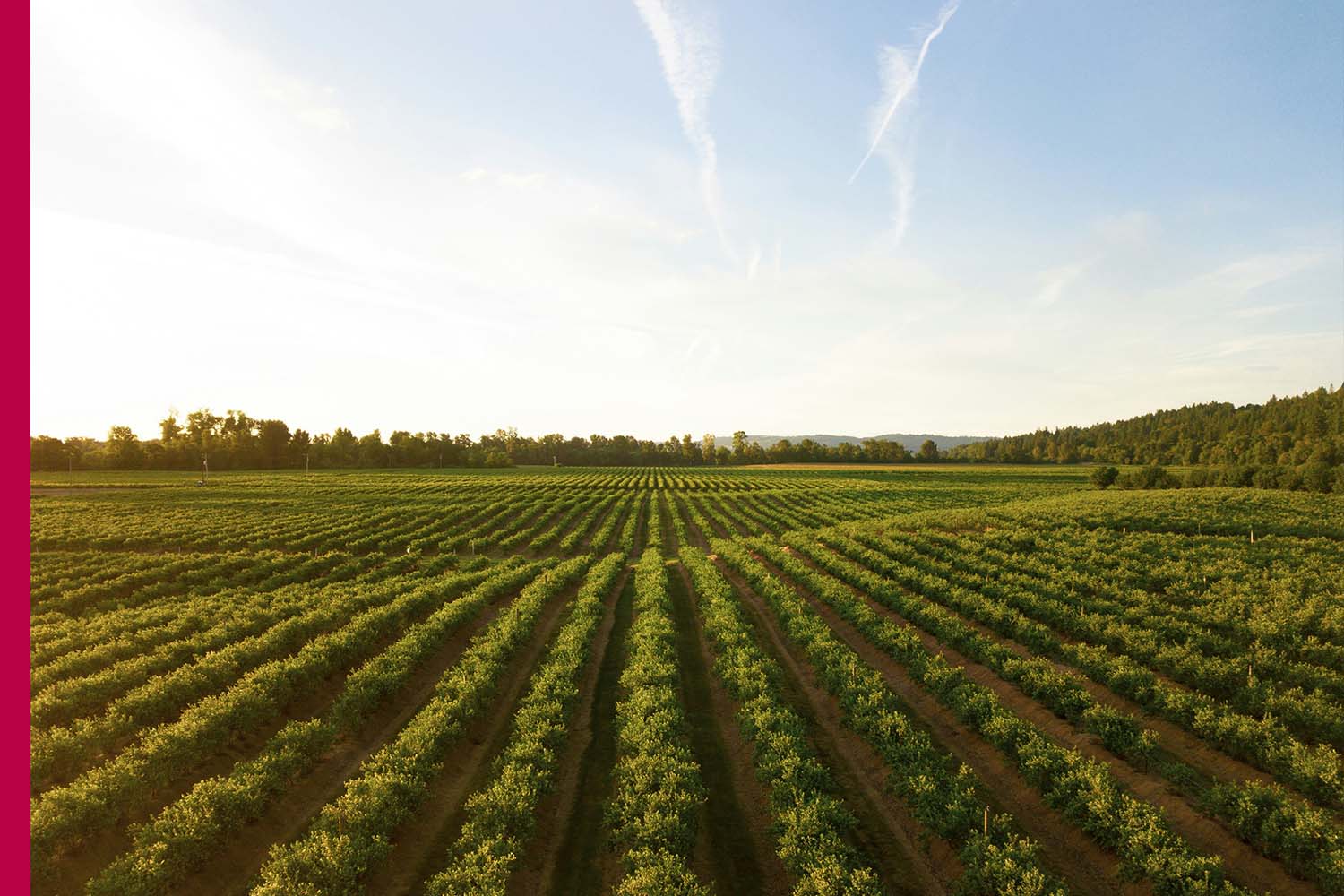




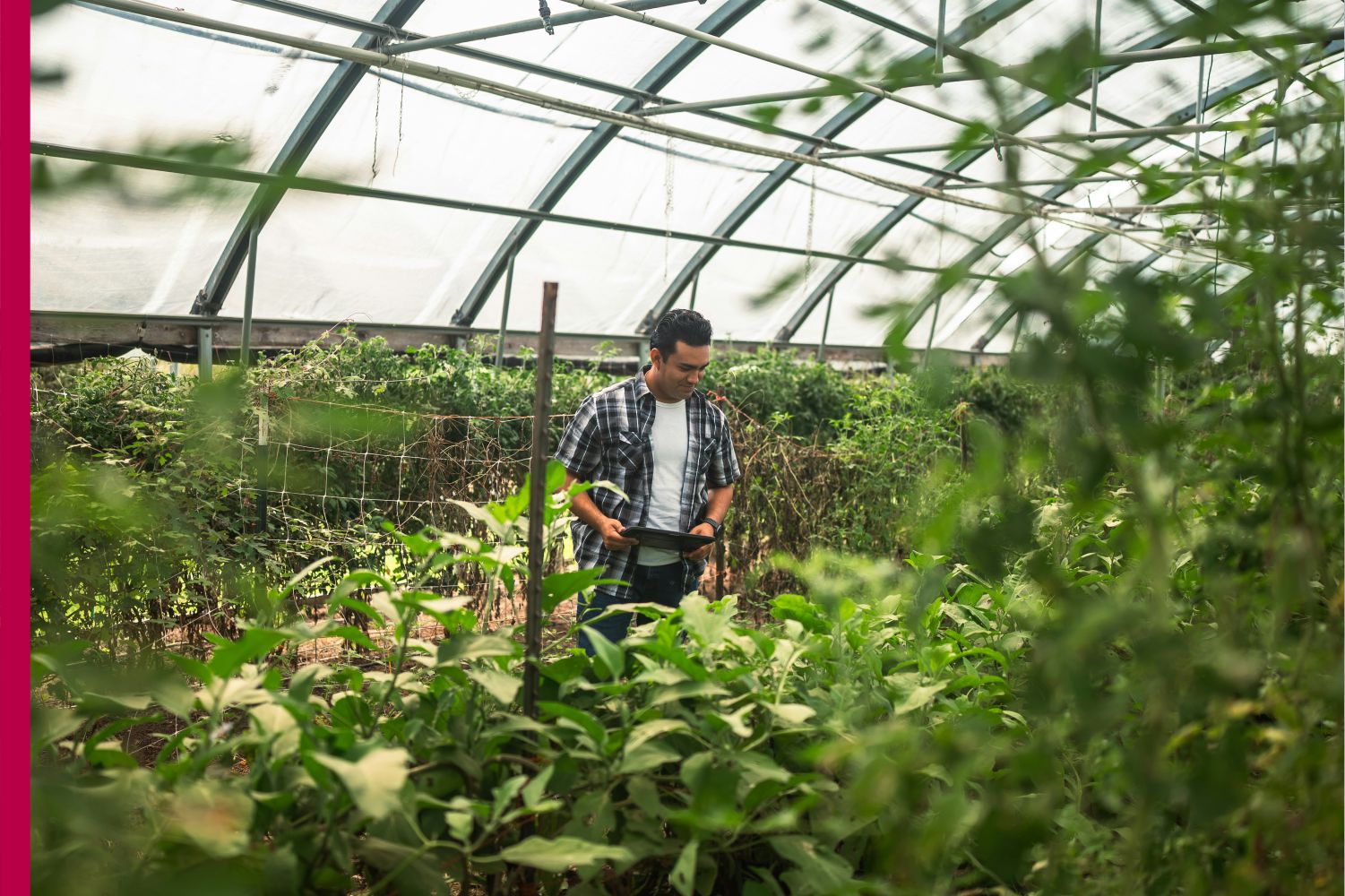
Agriculture has long been the backbone of global food security, but traditional farming methods often face challenges such as unpredictable weather, labor shortages, limited resources, and low productivity. AgriTech solutions are now transforming traditional farming by integrating technology, data, and innovation into agricultural practices. These advancements are helping farmers improve efficiency, increase yields, and adopt more sustainable farming methods.
One of the most impactful AgriTech innovations is precision farming. Using tools such as GPS, sensors, drones, and satellite imagery, farmers can monitor crop health, soil conditions, and moisture levels in real time. This data-driven approach allows precise application of water, fertilizers, and pesticides, reducing waste and lowering costs. Precision farming not only boosts productivity but also minimizes environmental impact by preventing overuse of resources.
Smart irrigation systems are another major breakthrough in AgriTech. These systems use sensors and weather data to deliver the right amount of water at the right time. Automated irrigation helps conserve water, a critical resource in agriculture, while ensuring crops receive optimal hydration. This technology is particularly beneficial in regions facing water scarcity and climate variability.
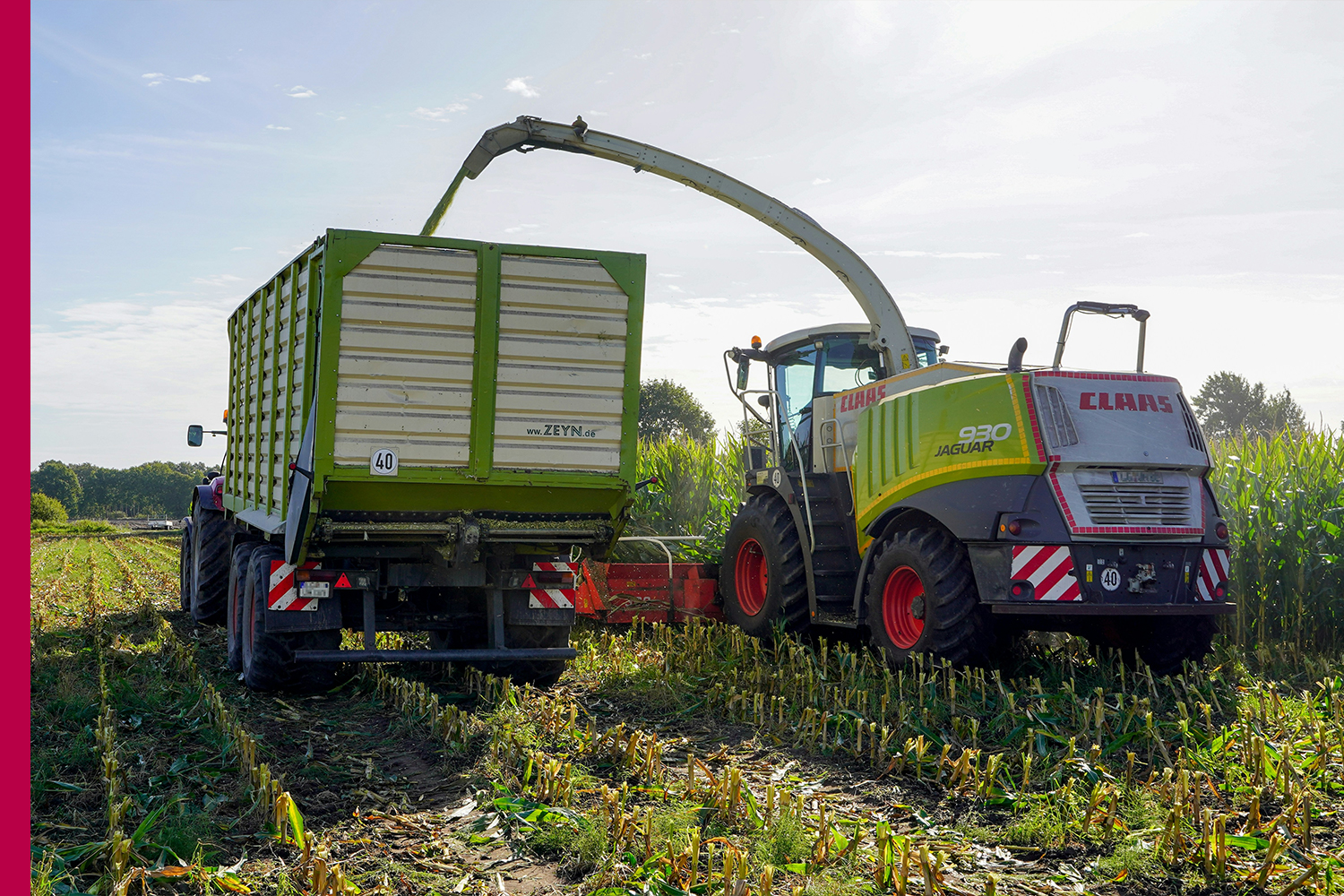
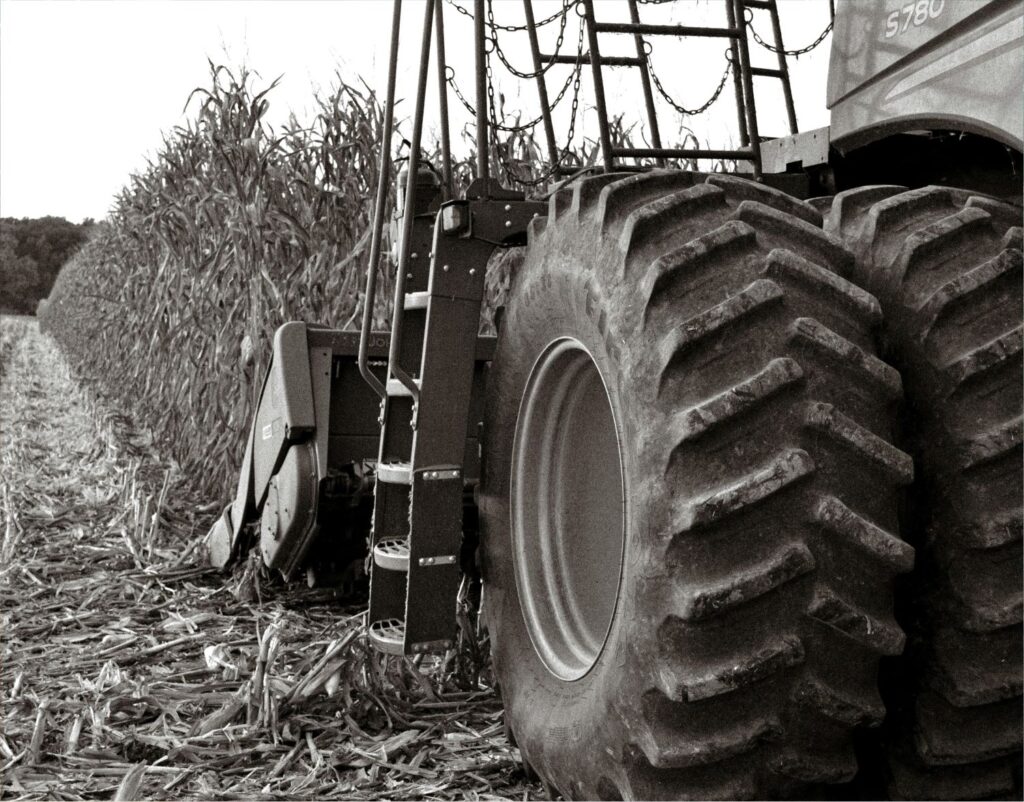
AgriTech solutions are also revolutionizing farm machinery and automation. Modern equipment equipped with artificial intelligence and machine learning can perform tasks such as planting, harvesting, and weed control with high accuracy. Autonomous tractors, robotic harvesters, and smart sprayers reduce dependence on manual labor and improve operational efficiency. For farmers, this means lower labor costs and more consistent farm operations.
Digital platforms and mobile applications have become powerful tools for farmers. These platforms provide access to real-time market prices, weather forecasts, crop advisory services, and financial tools. By leveraging digital connectivity, farmers can make informed decisions, reduce risks, and connect directly with buyers, suppliers, and agri-experts. This increased access to information strengthens farmers’ bargaining power and income stability.
AgriTech also plays a vital role in improving supply chain efficiency and reducing post-harvest losses. Technologies such as cold chain monitoring, blockchain-based traceability, and smart storage systems help preserve produce quality and ensure food safety. Transparent and efficient supply chains benefit both farmers and consumers by reducing waste and ensuring fair pricing.
Sustainability is a key focus of AgriTech-driven farming. Technologies that support organic farming, integrated pest management, and soil health monitoring help maintain long-term land productivity. Renewable energy solutions, such as solar-powered pumps and equipment, further reduce agriculture’s carbon footprint and operating costs.
Despite its many advantages, the adoption of AgriTech faces challenges such as high initial investment, limited digital literacy, and infrastructure gaps. Addressing these issues requires supportive policies, training programs, and public-private partnerships to ensure inclusive access to technology.
In conclusion, AgriTech solutions are transforming traditional farming into a smarter, more efficient, and sustainable system. By combining technology with agricultural expertise, AgriTech empowers farmers to meet growing food demands while protecting natural resources. As innovation continues to advance, smart agriculture will play a critical role in shaping the future of global farming.