


Water is one of the most critical resources in agriculture, directly influencing crop growth, yield, and overall farm productivity. As global water resources become increasingly scarce due to climate change, population growth, and overuse, efficient water management in agriculture has become essential. Modern farming practices are now focusing on innovative techniques that conserve water while maximizing crop output.
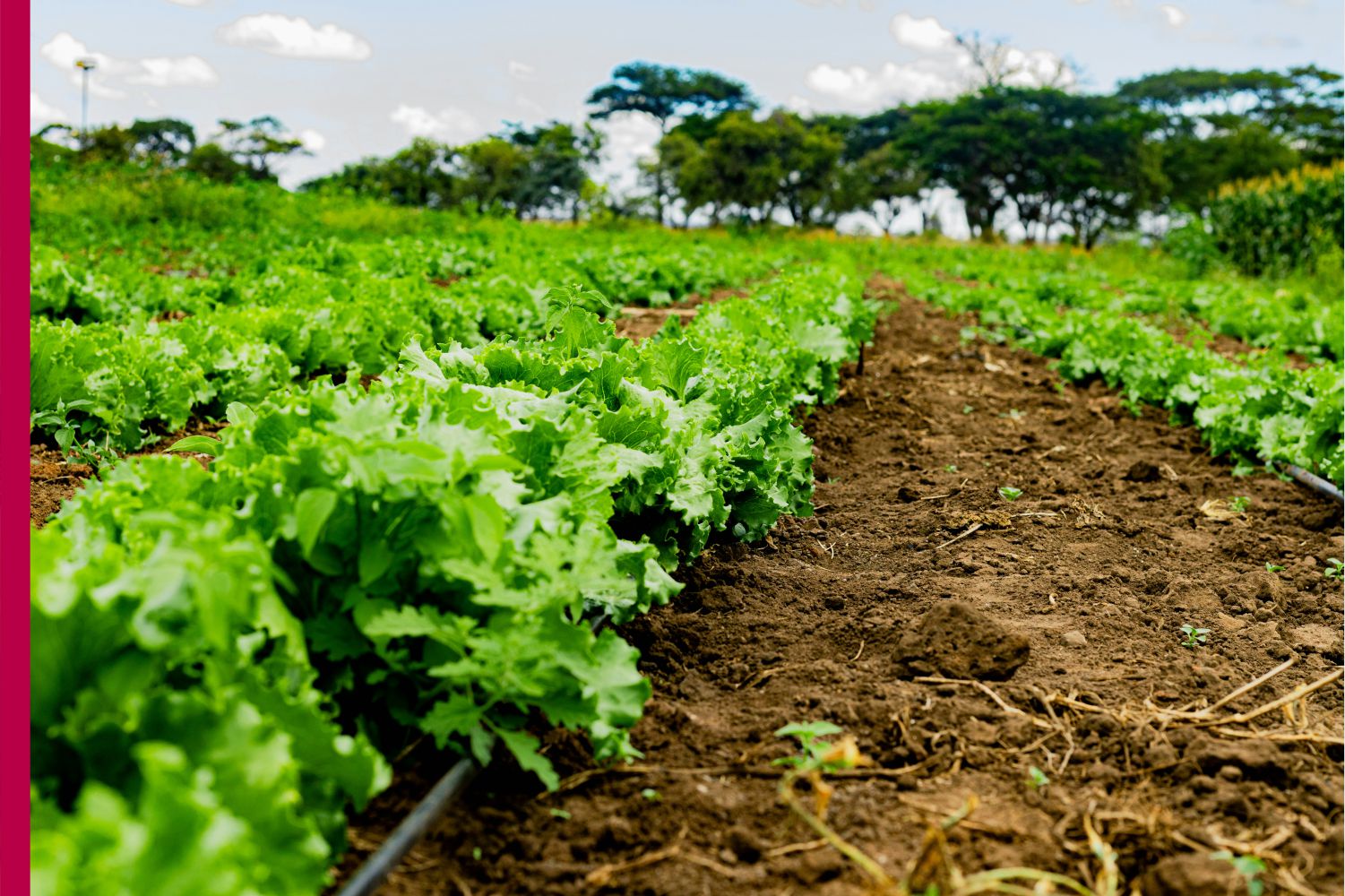
One of the most effective water management techniques is drip irrigation. This method delivers water directly to the roots of plants through a network of pipes and emitters. By minimizing evaporation and runoff, drip irrigation ensures that water is used efficiently. It is especially beneficial in regions with limited water availability, as it reduces wastage and improves crop health.
Another widely used method is sprinkler irrigation. In this system, water is sprayed over crops in a controlled manner, simulating natural rainfall. Sprinkler systems are suitable for a variety of crops and soil types, providing uniform water distribution. They are particularly useful in uneven terrains where traditional irrigation methods may not be practical.
Rainwater harvesting is also gaining importance in agriculture. Farmers collect and store rainwater in ponds, tanks, or reservoirs for later use. This technique helps reduce dependence on groundwater and ensures water availability during dry periods. By capturing natural rainfall, farmers can maintain crop production even in regions prone to irregular weather patterns.
Soil moisture management plays a crucial role in water conservation. Techniques such as mulching help retain moisture in the soil by reducing evaporation. Organic materials like straw, leaves, or compost are spread over the soil surface, keeping it cool and hydrated. This not only conserves water but also improves soil fertility and structure.
Crop selection and rotation are additional strategies that support effective water management. Farmers can choose drought-resistant crops that require less water, making them suitable for arid regions. Crop rotation helps maintain soil health and reduces water demand by alternating crops with different water requirements. These practices ensure long-term sustainability and efficient use of resources.
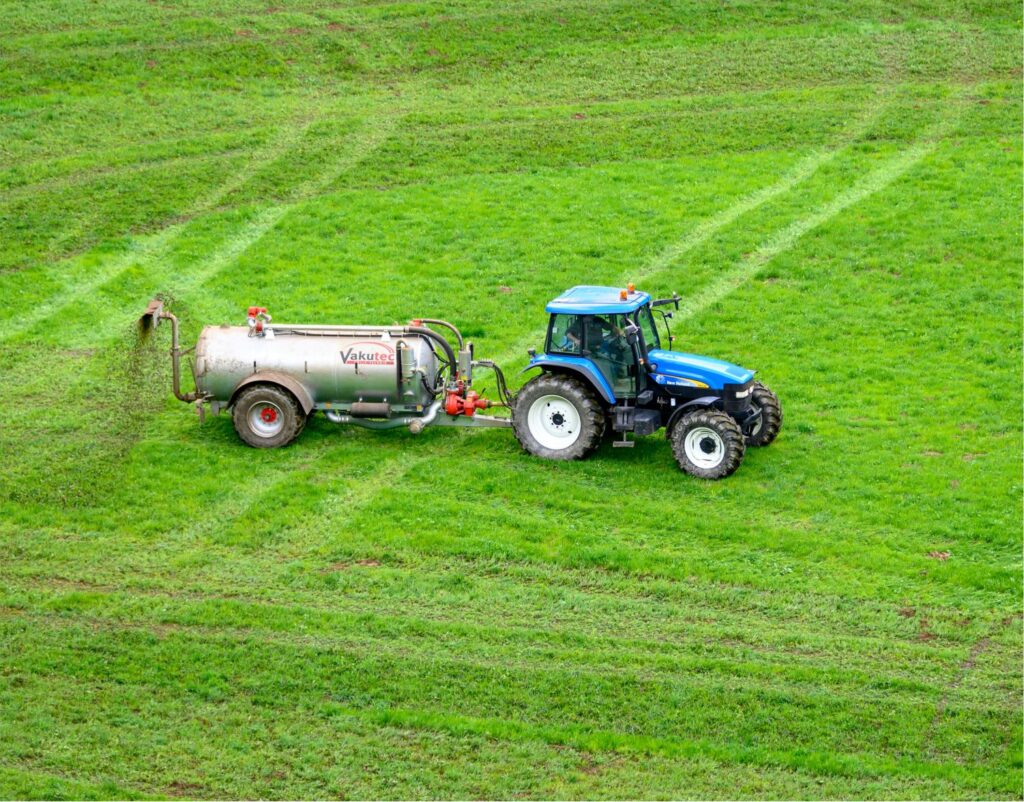
Advanced technologies are further transforming agricultural water management. Precision farming uses sensors, satellite data, and automated systems to monitor soil moisture and weather conditions. This allows farmers to apply water only when needed, avoiding over-irrigation. Smart irrigation systems can even adjust water usage in real time, optimizing efficiency and reducing costs.
Water recycling and reuse are becoming increasingly important in modern agriculture. Treated wastewater can be safely used for irrigation, reducing the pressure on freshwater resources. This approach not only conserves water but also supports sustainable farming practices.
Despite these advancements, challenges remain. High initial costs, lack of awareness, and limited access to technology can hinder the adoption of efficient water management techniques. However, government support, training programs, and innovation are helping farmers overcome these barriers.
In conclusion, effective water management techniques are vital for the future of agriculture. By adopting methods such as drip irrigation, rainwater harvesting, and precision farming, farmers can conserve water while maintaining productivity. As water scarcity continues to be a global concern, sustainable agricultural practices will play a key role in ensuring food security and environmental balance.