





Water is one of the most valuable resources in agriculture, yet it is often used inefficiently in traditional farming practices. With increasing water scarcity and climate challenges, farmers are turning to innovative technologies to manage water more effectively. One such advancement is Smart Irrigation Systems, which uses digital tools and automated systems to deliver the right amount of water to crops at the right time. These systems are transforming agriculture by improving water efficiency, crop productivity, and environmental sustainability.
Smart irrigation systems rely on a combination of sensors, weather data, and automated controls to optimize water usage. Soil moisture sensors placed in the ground monitor the amount of water available in the soil and provide real-time information to farmers. Based on this data, irrigation systems can automatically adjust watering schedules, ensuring crops receive adequate moisture without wasting water. This technology helps prevent over-irrigation, which can damage crops and lead to soil nutrient loss.
Weather monitoring is another important feature of smart irrigation. Advanced systems integrate weather forecasts and climate data to determine when irrigation is necessary. For example, if rain is predicted, the system can delay watering to avoid unnecessary water use. This intelligent decision-making process supports the principles of Precision Agriculture, where technology is used to manage farming resources efficiently and sustainably.
Automation is a key advantage of smart irrigation systems. Traditional irrigation methods often require manual monitoring and control, which can be time-consuming for farmers managing large fields. Automated irrigation systems reduce labor requirements by controlling water distribution through digital controllers and connected devices. Farmers can even monitor and manage irrigation remotely using smartphones or computer applications.
Drip irrigation technology is commonly used in smart irrigation setups. Drip systems deliver water directly to plant roots through a network of pipes and emitters. This targeted watering method minimizes evaporation and ensures that water reaches the areas where it is most needed. Compared to conventional flood irrigation, drip irrigation can significantly reduce water consumption while maintaining or even improving crop yields.
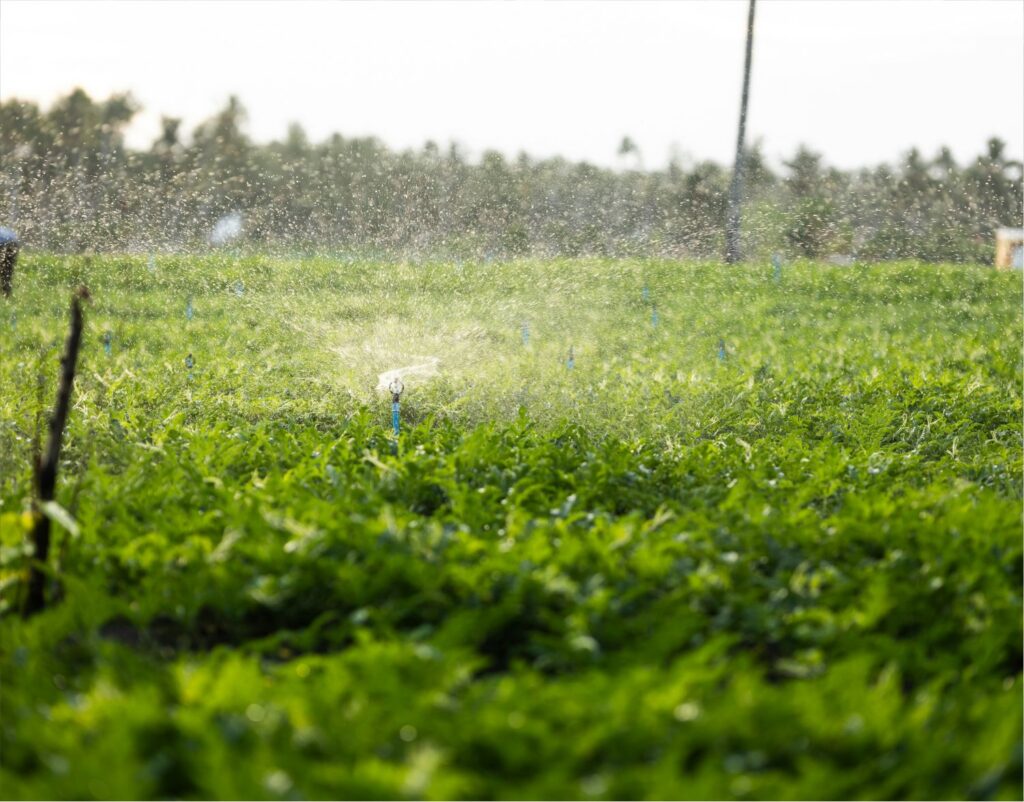
Another benefit of smart irrigation is improved crop health. Consistent and controlled watering helps plants grow under optimal conditions. When crops receive the right amount of water at the right time, they are less likely to suffer from stress caused by drought or waterlogging. Healthy crops typically produce higher yields and better quality harvests, which increases farmers’ profitability.
Environmental sustainability is also enhanced through smart irrigation technologies. Efficient water use helps conserve freshwater resources and reduces the environmental impact of agriculture. Additionally, preventing excessive irrigation helps reduce soil erosion and nutrient runoff into nearby water bodies. These environmental benefits make smart irrigation an important tool for sustainable farming practices.
Despite its advantages, adopting smart irrigation systems can present challenges for some farmers. The initial cost of installing sensors, automated controllers, and digital platforms may be high for small-scale farmers. Additionally, farmers may require training to understand how to operate and maintain these technologies effectively. Governments, agricultural organizations, and technology providers can support adoption by offering subsidies, training programs, and technical assistance.
In conclusion, smart irrigation systems represent a major advancement in modern agriculture. By combining sensors, automation, and data analysis, these systems enable farmers to manage water resources more efficiently while improving crop productivity. As water scarcity continues to affect agricultural regions worldwide, smart irrigation technologies will play a crucial role in ensuring sustainable and water-efficient farming for the future.