






Agriculture remains a vital sector in India and across the globe, but farmers today face a crucial decision whether to adopt organic farming or continue with conventional farming methods. While both approaches aim to produce food efficiently, they differ significantly in practices, costs, yields, and long-term profitability. Understanding the profit comparison between organic and conventional farming is essential for farmers, investors, and policymakers.
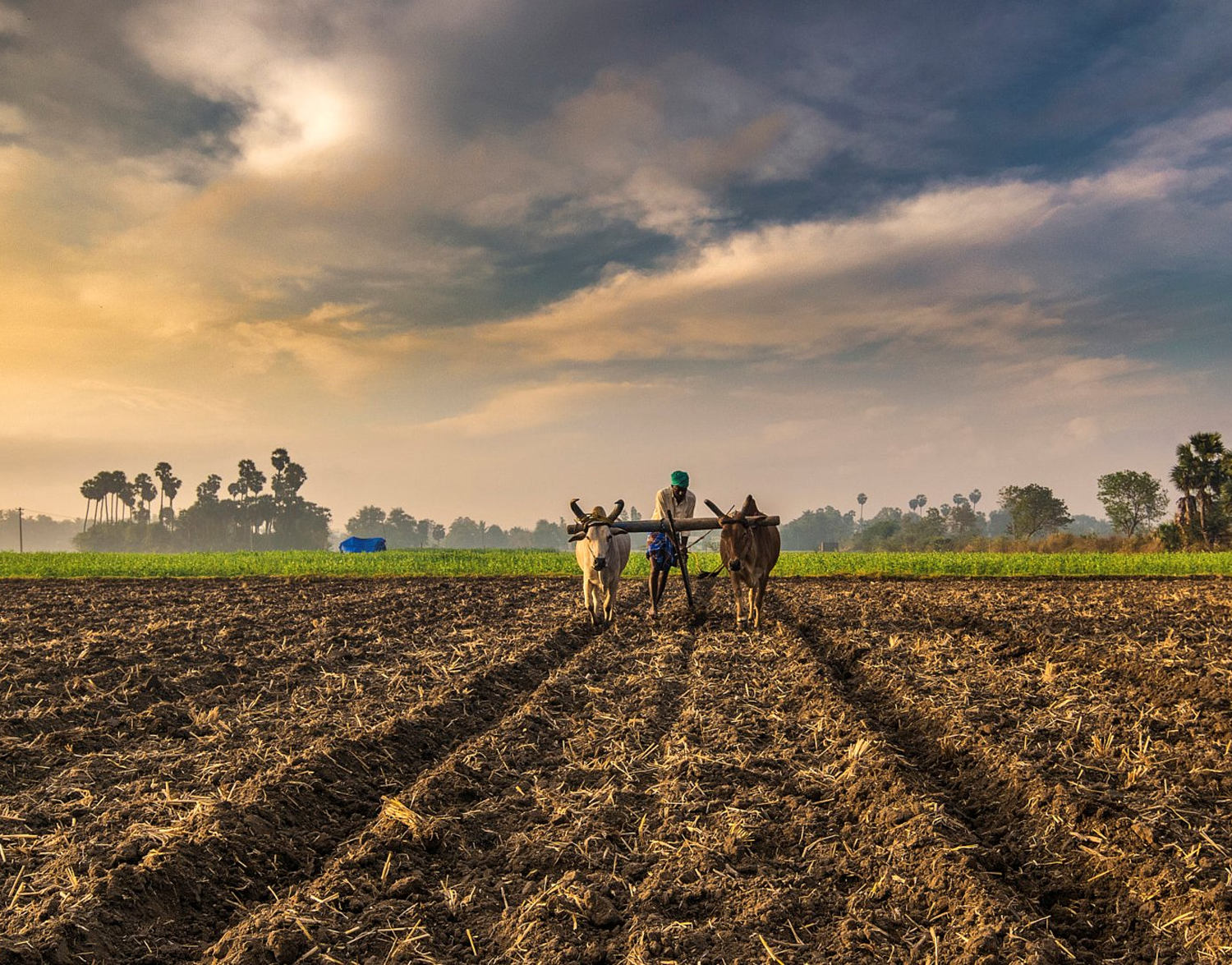
Conventional farming relies on chemical fertilizers, pesticides, and high-yield crop varieties to maximize production. This approach often delivers higher yields in the short term, which directly translates into higher immediate revenue. Farmers benefit from established supply chains, government support, and easier access to inputs. However, the cost of chemical inputs, machinery, and irrigation can be high, reducing net profit margins over time. Additionally, soil degradation and environmental impact can lead to declining productivity in the long run.
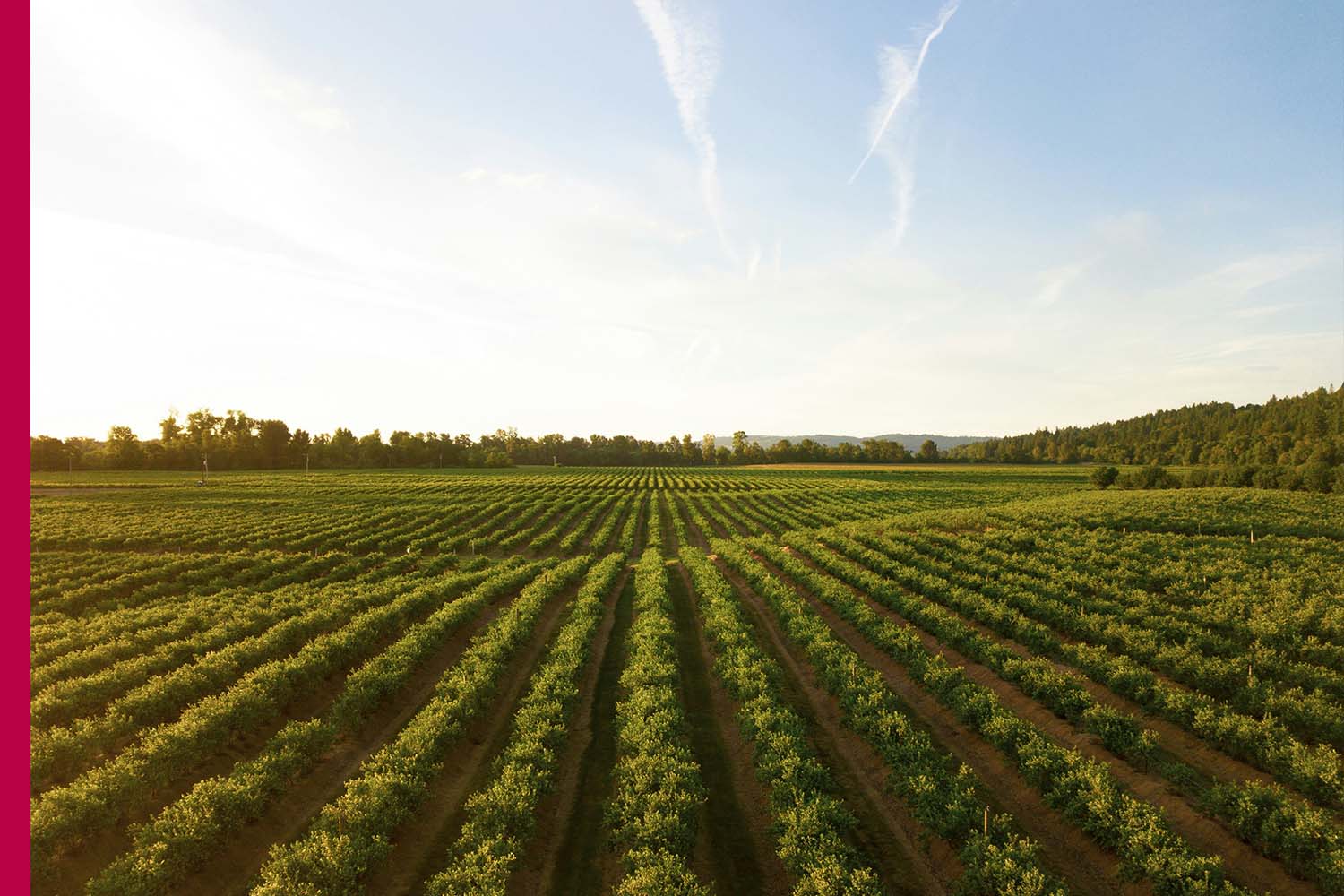
On the other hand, organic farming focuses on natural inputs such as compost, biofertilizers, and crop rotation techniques. It avoids synthetic chemicals and emphasizes soil health, biodiversity, and sustainability. While organic farming may initially result in lower yields—especially during the transition period—input costs are generally lower. Farmers often use locally available resources, which reduces dependency on expensive external inputs.
One of the biggest advantages of organic farming is the premium pricing of organic produce. Consumers are increasingly willing to pay higher prices for chemical-free, environmentally friendly products. This growing demand, particularly in urban and export markets, can significantly boost farmers’ income. Organic certification, although sometimes costly and time-consuming, enables farmers to access niche markets and secure better profit margins.
Profitability in organic farming is often realized over the long term. Improved soil fertility, reduced input costs, and stable yields contribute to consistent returns. Organic farms are also more resilient to climate variability, as healthier soils retain moisture and nutrients better. This resilience reduces the risk of crop failure, which is a critical factor in overall profitability.
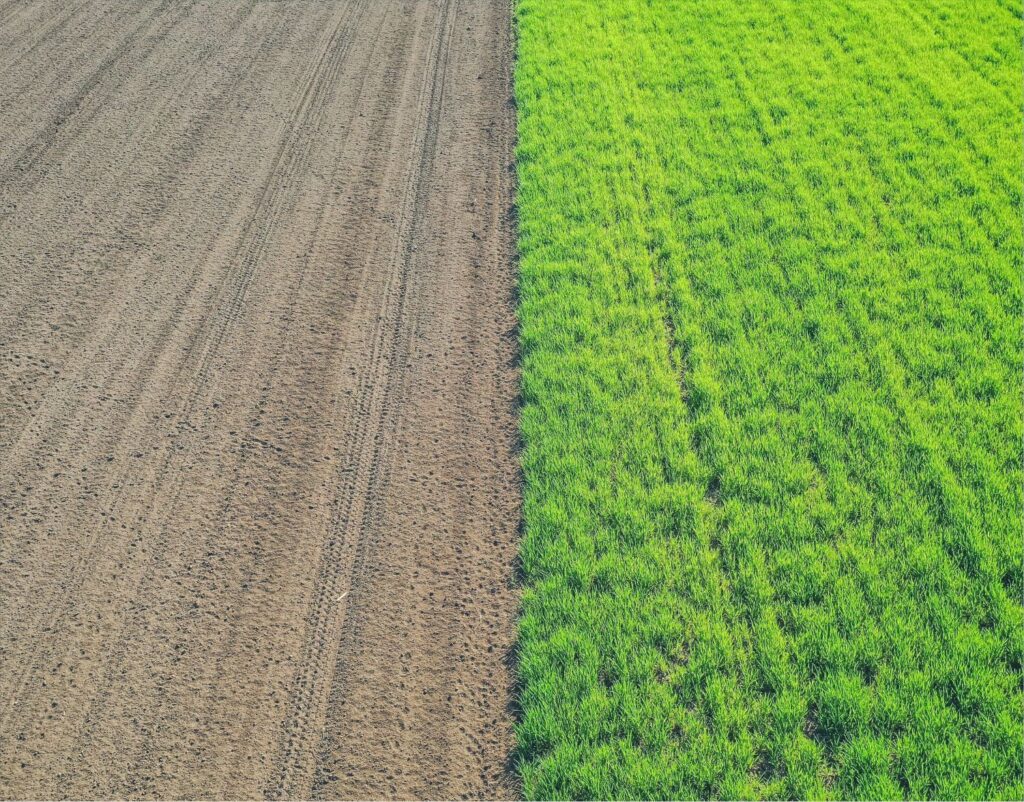
In contrast, conventional farming may offer higher short-term profits due to larger yields, but it is more vulnerable to rising input costs and environmental challenges. Overuse of chemical fertilizers and pesticides can lead to soil degradation, pest resistance, and water pollution. These issues may increase costs in the long run and reduce profitability. Additionally, fluctuating market prices for conventional produce can impact income stability.
Labor requirements also differ between the two methods. Organic farming tends to be more labor-intensive, requiring manual weed control, compost preparation, and careful crop management. While this can increase labor costs, it also creates employment opportunities in rural areas. Conventional farming, with its reliance on machinery and chemicals, may reduce labor needs but increase capital expenditure.
Government policies and support systems play an important role in influencing profitability. Many governments are promoting organic farming through subsidies, training programs, and certification support. At the same time, conventional farming continues to receive support through fertilizer subsidies and infrastructure development. Farmers must evaluate available incentives when choosing their approach.
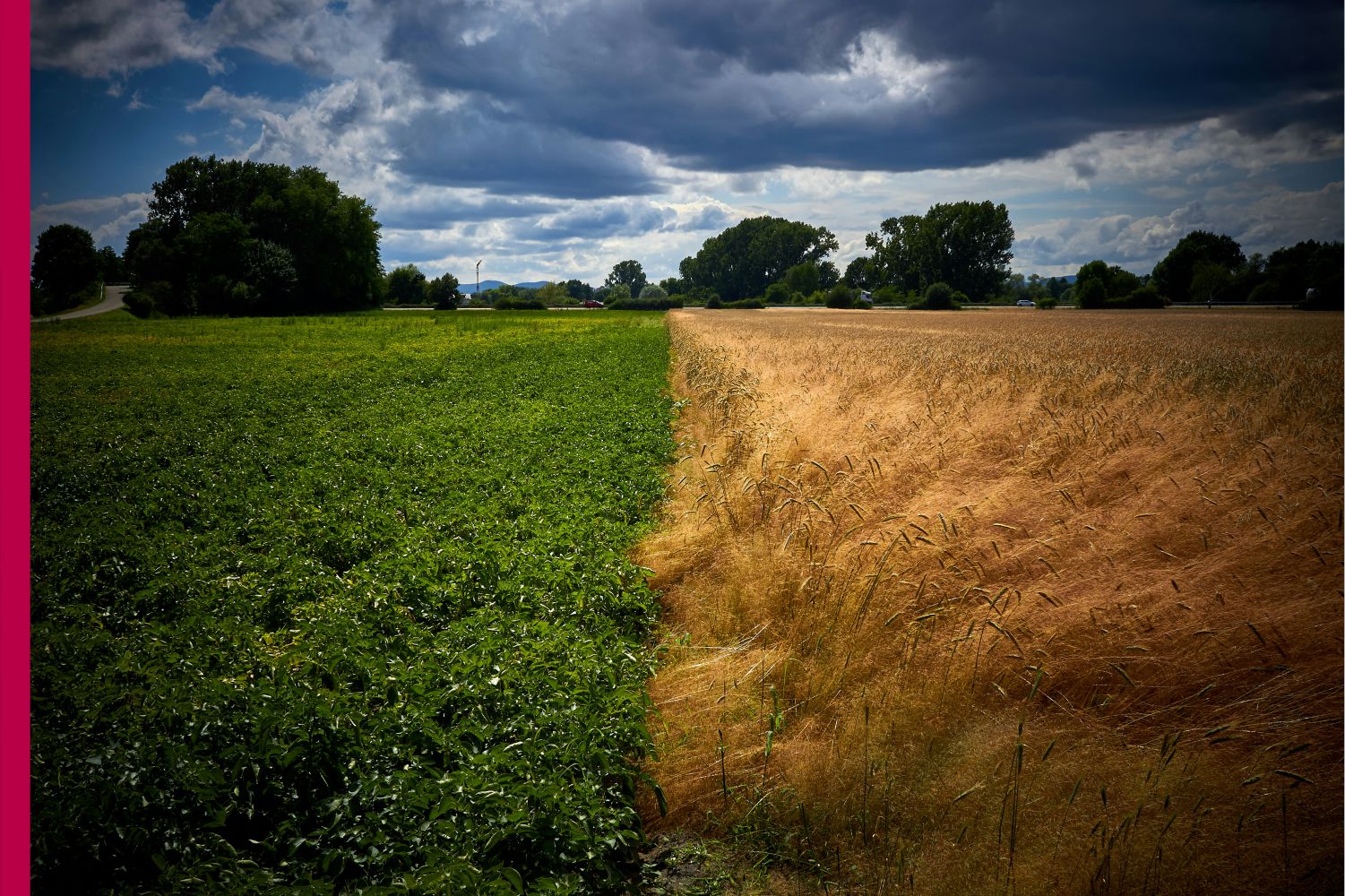
In conclusion, the profit comparison between organic and conventional farming depends on multiple factors, including time horizon, market access, input costs, and environmental conditions. Conventional farming may provide higher short-term returns, while organic farming offers sustainable and potentially higher long-term profitability through premium pricing and lower input costs. As consumer preferences shift toward healthier and eco-friendly products, organic farming is emerging as a viable and rewarding alternative for the future of agriculture.