


Agriculture has evolved significantly over the years as farmers adopt modern techniques to meet the growing global demand for food. Traditional farming methods alone are no longer sufficient to achieve higher productivity, especially in the face of climate change, limited resources, and increasing population. Modern agriculture techniques focus on efficiency, sustainability, and technology-driven solutions to improve crop yield while conserving natural resources.
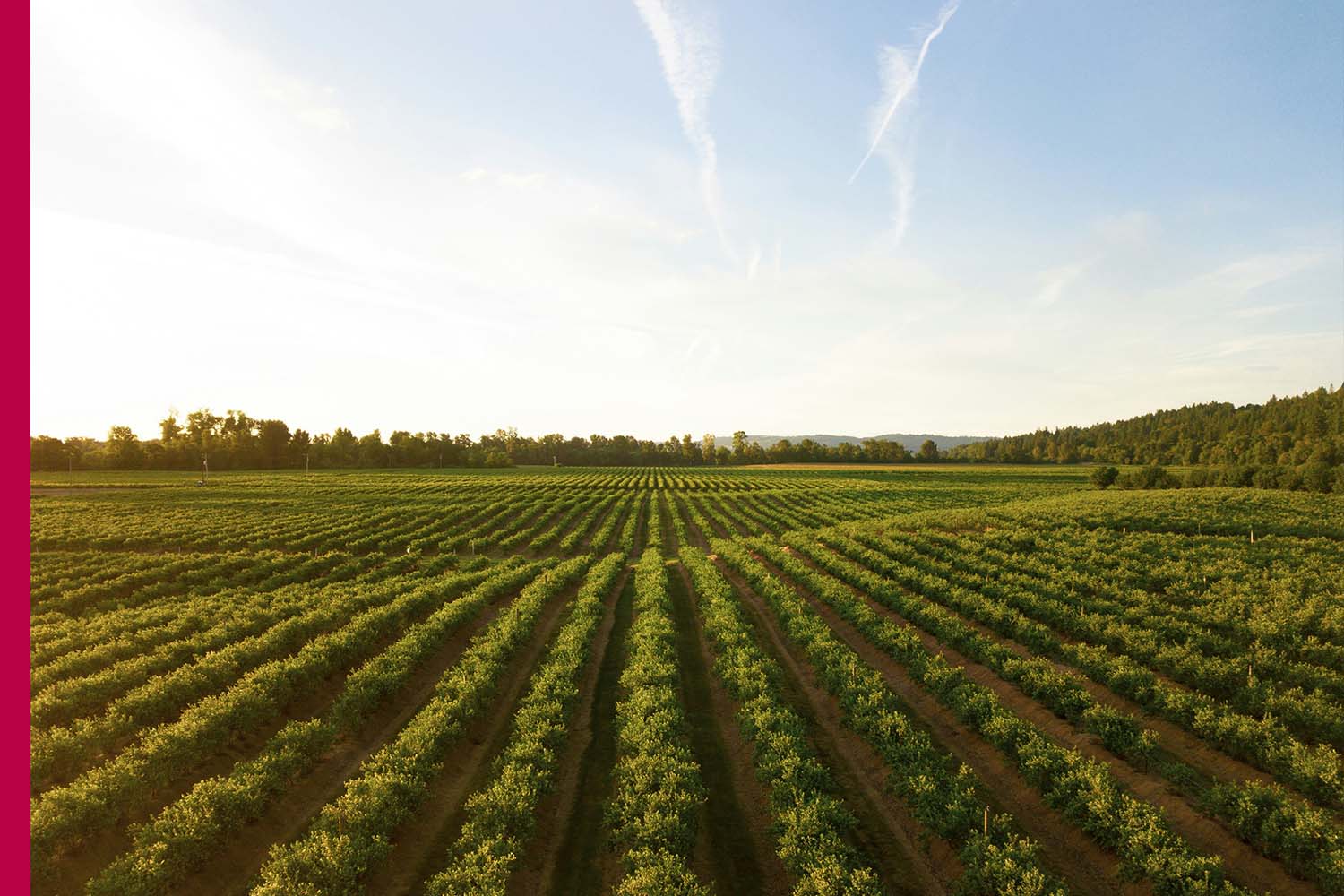
One of the most impactful modern techniques is precision agriculture. This approach uses data, sensors, GPS technology, and satellite imagery to monitor field conditions and crop health. Farmers can apply water, fertilizers, and pesticides only where they are needed, reducing waste and improving plant growth. Precision agriculture not only increases yields but also lowers production costs and minimizes environmental impact.
The use of high-quality and hybrid seeds is another key factor in boosting crop yield. These seeds are developed to be disease-resistant, climate-tolerant, and high-yielding. Genetically improved seeds can withstand pests, drought, and extreme temperatures, ensuring more consistent production. Seed treatment technologies further protect crops during early growth stages, leading to healthier plants and better harvests.
Efficient irrigation systems play a crucial role in modern farming. Techniques such as drip irrigation and sprinkler systems deliver water directly to plant roots, reducing water loss and ensuring optimal moisture levels. Smart irrigation systems equipped with sensors and automation help farmers manage water usage based on real-time soil and weather data. This is especially important in regions facing water scarcity.
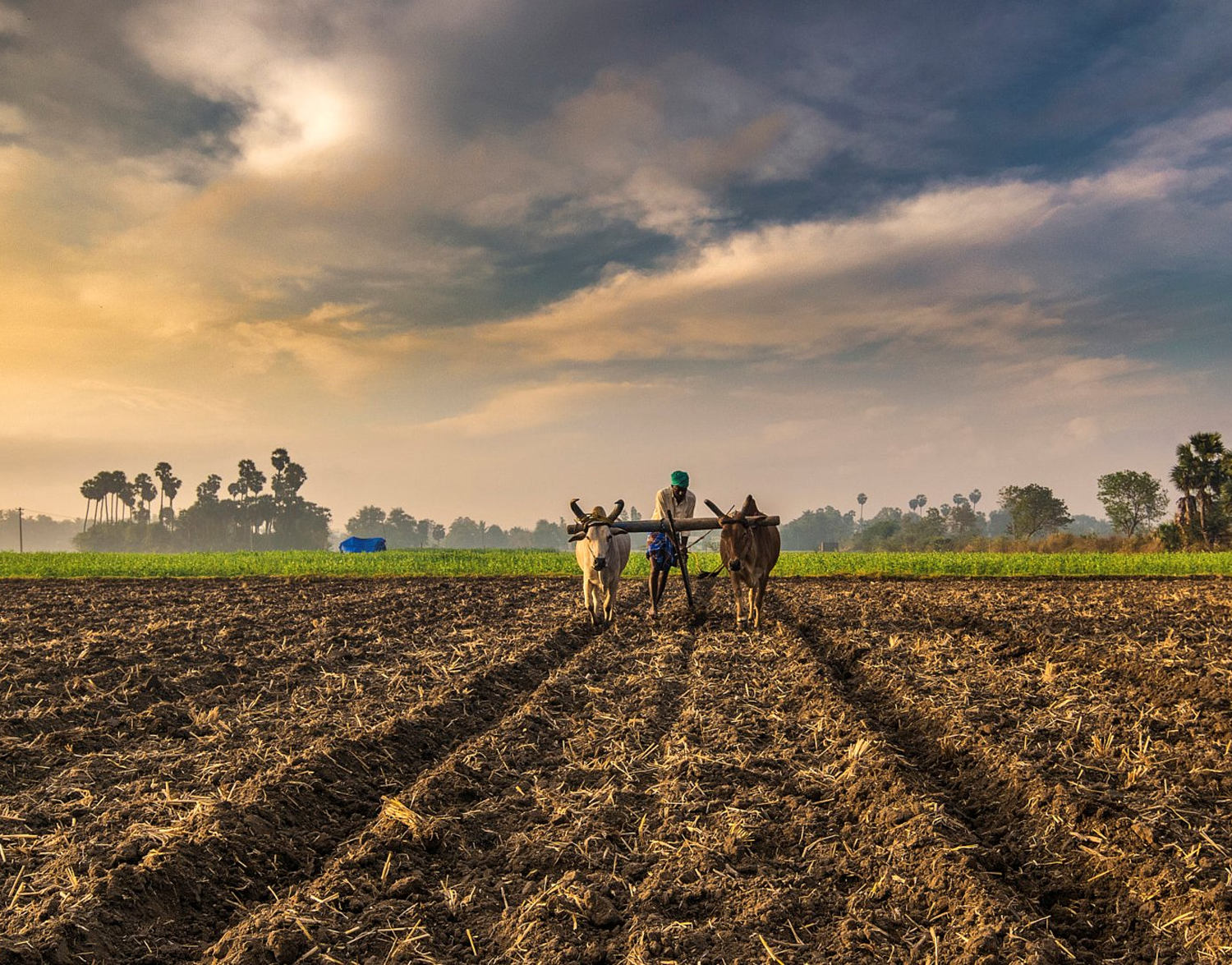
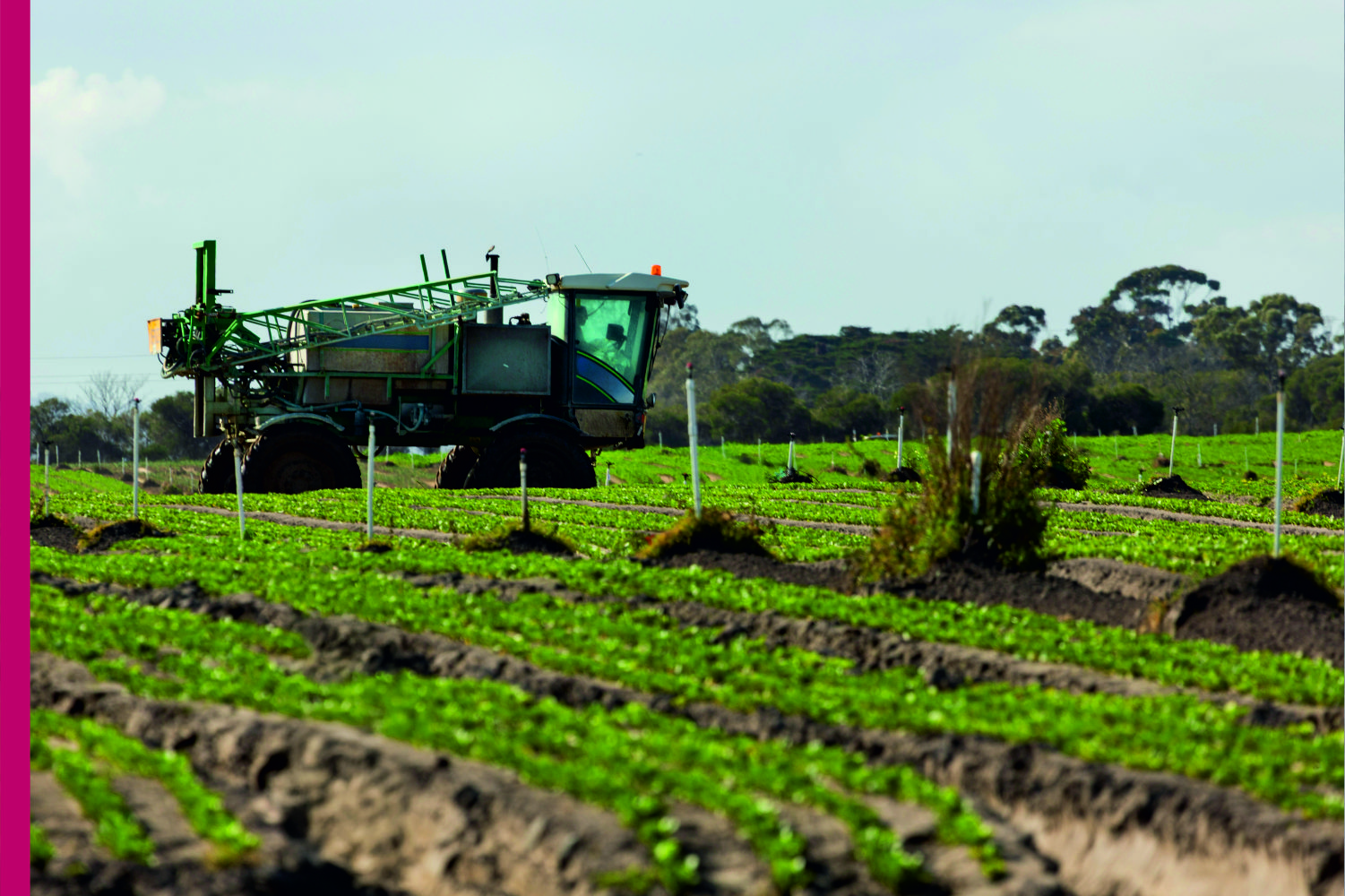
Mechanization and automation have also transformed agriculture. Modern machinery such as tractors, harvesters, and automated planters improve speed, accuracy, and efficiency in farming operations. Drones and robotics are increasingly used for crop monitoring, spraying, and harvesting. These technologies reduce labor dependency and help farmers manage large areas more effectively.
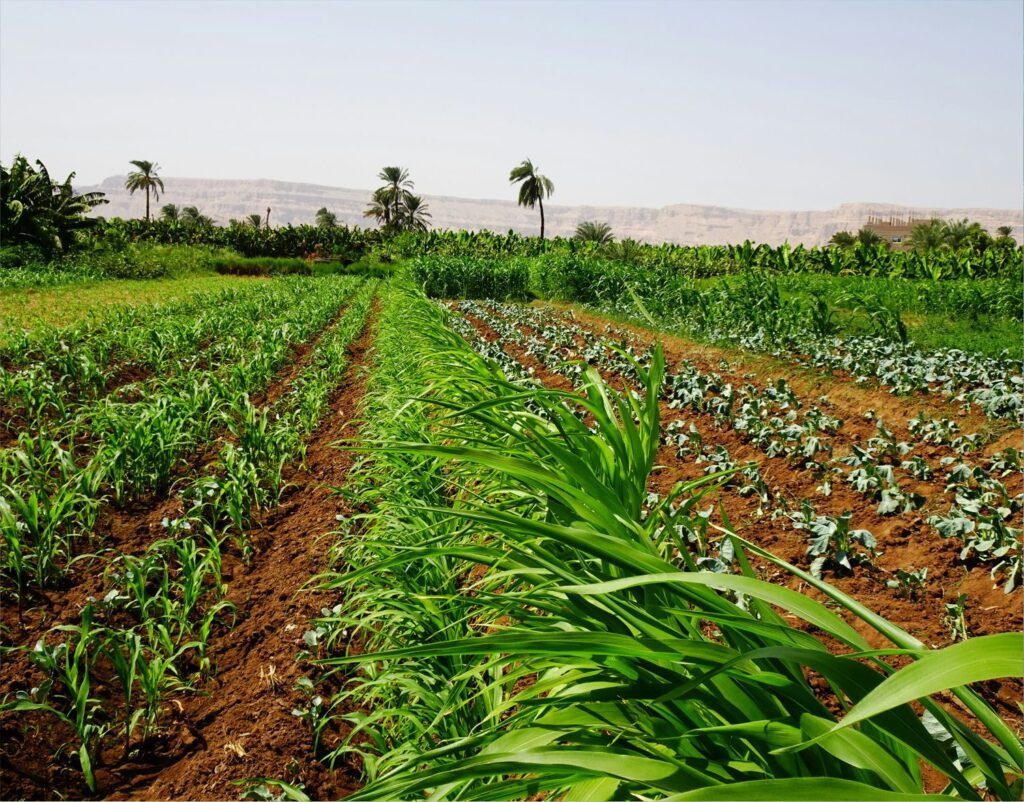
Soil health management is another essential aspect of modern agriculture. Practices such as crop rotation, cover cropping, and the use of organic matter improve soil fertility and structure. Healthy soil supports better root development and nutrient absorption, leading to higher yields. Soil testing and nutrient management plans ensure that crops receive balanced nutrition throughout their growth cycle.
Integrated pest management is widely adopted to control pests while minimizing chemical use. This approach combines biological control, cultural practices, and targeted pesticide application. By monitoring pest populations and using eco-friendly solutions, farmers can protect crops without harming beneficial organisms or the environment.
In conclusion, modern agriculture techniques are revolutionizing food production by increasing crop yield in a sustainable and efficient manner. Through precision farming, advanced seeds, smart irrigation, mechanization, and soil management, farmers can overcome challenges and achieve better productivity. Embracing these techniques is essential for ensuring food security, supporting farmer livelihoods, and building a resilient agricultural future.