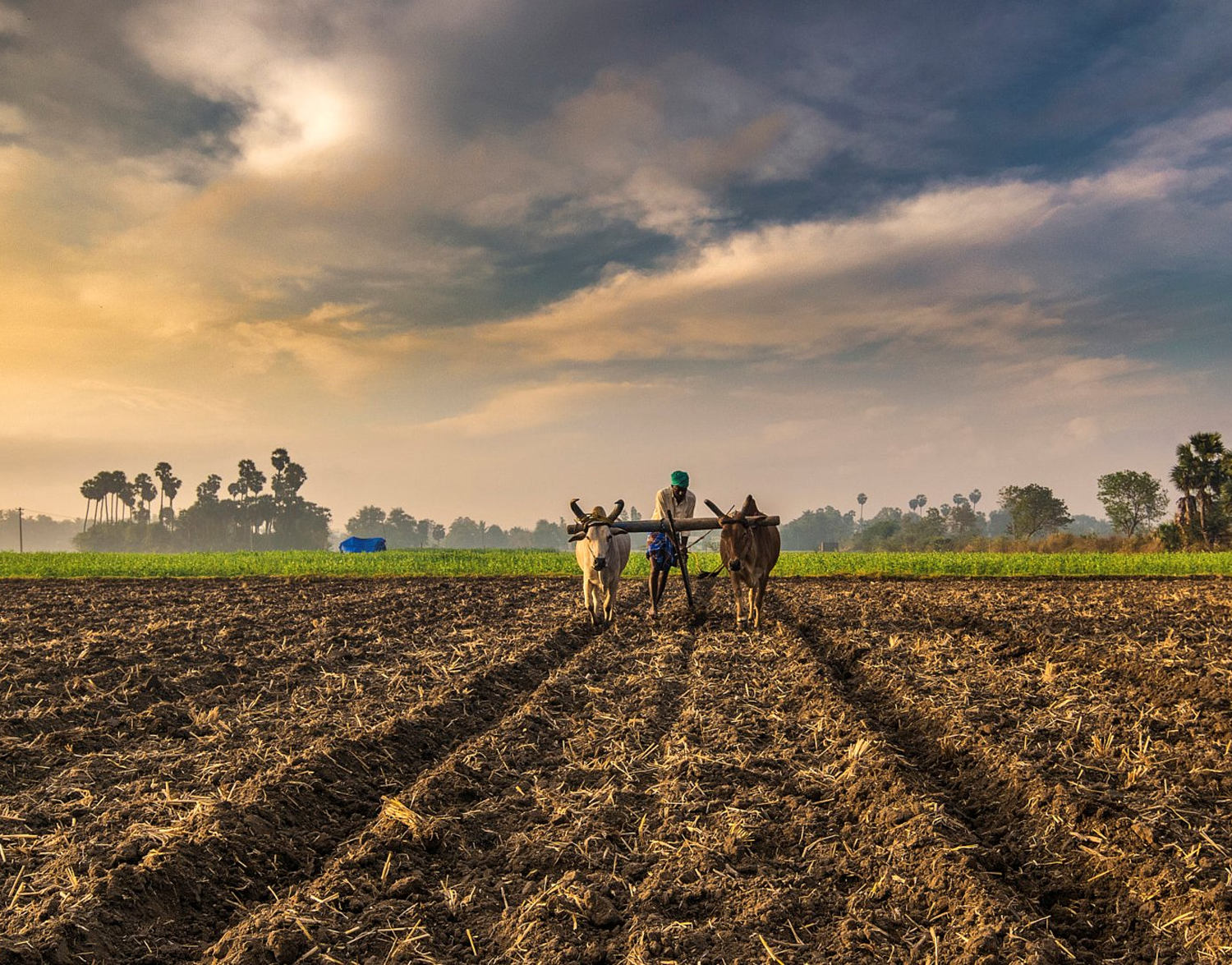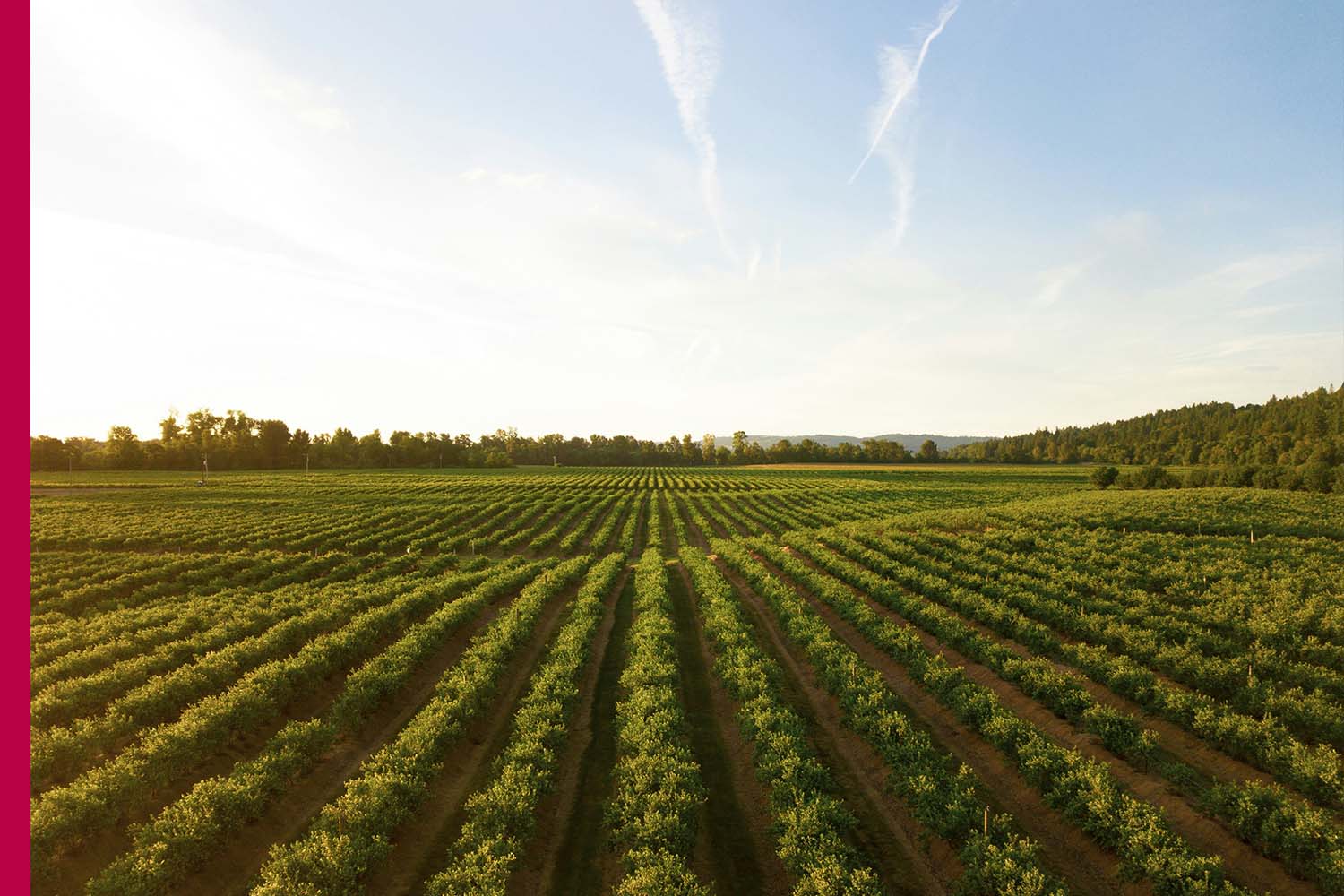
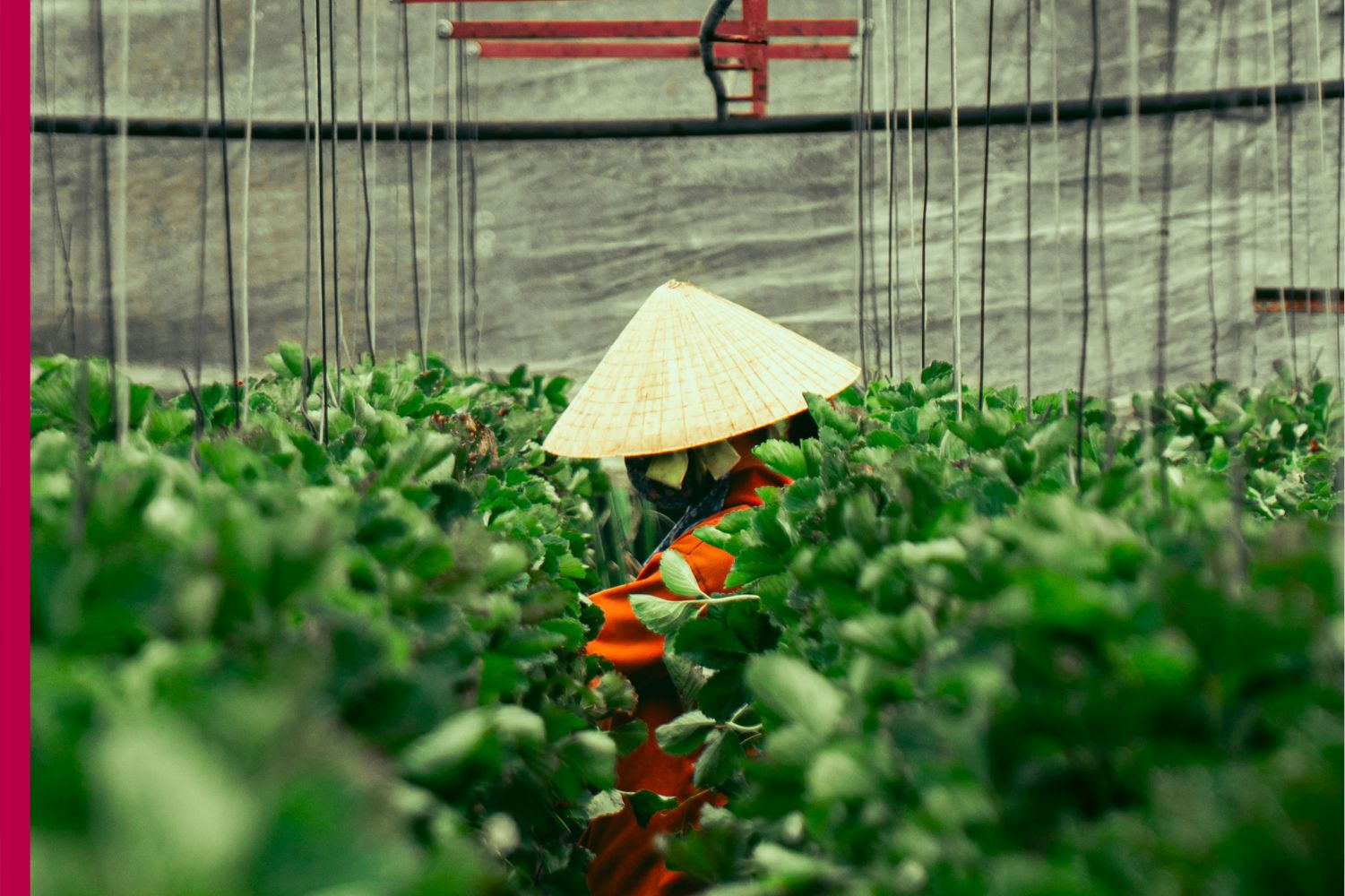



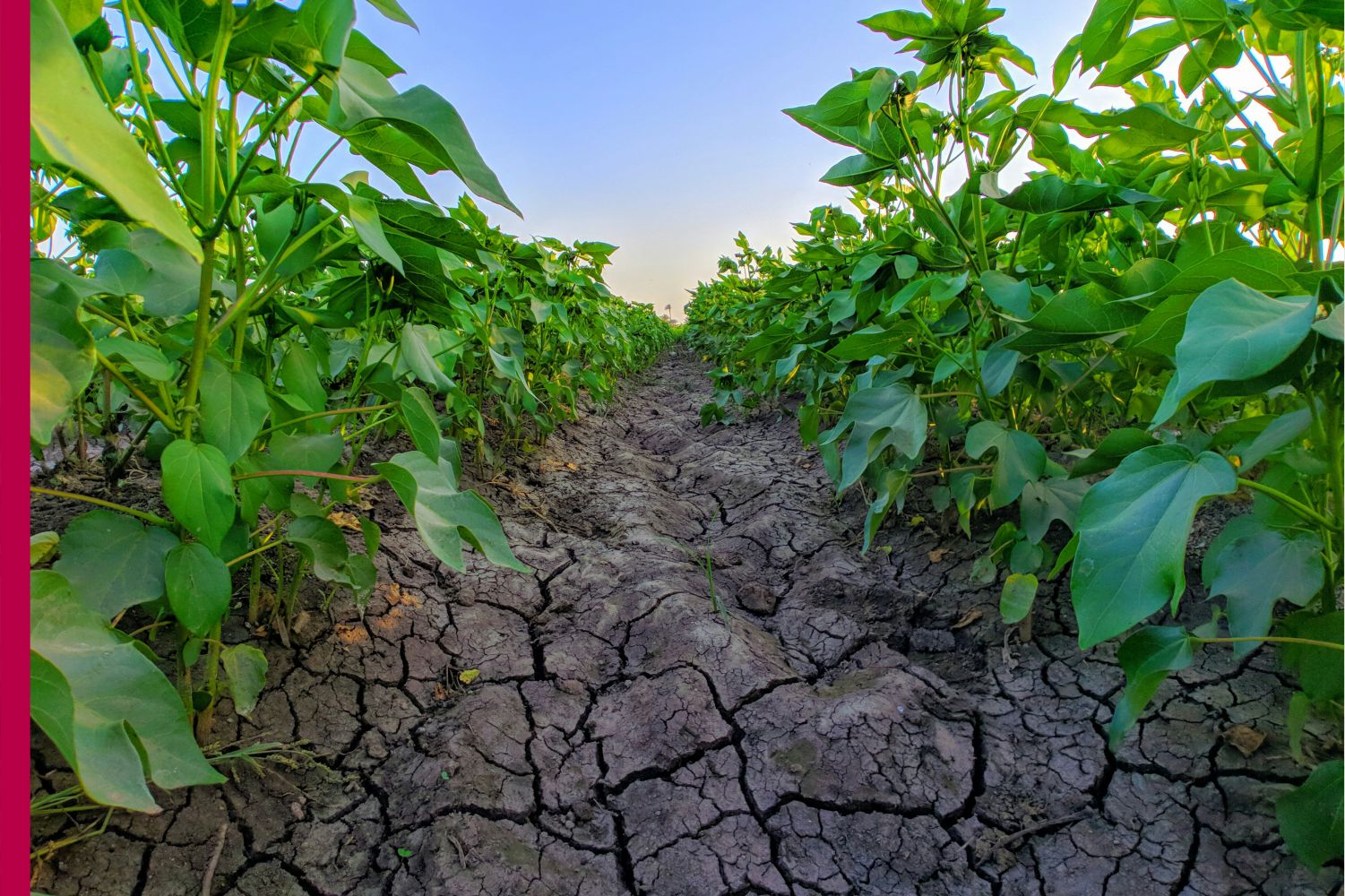
Climate change has emerged as one of the most significant challenges affecting global agriculture productivity. Rising temperatures, changing rainfall patterns, extreme weather events, and increasing atmospheric carbon dioxide levels are directly influencing crop yields, livestock health, and farming livelihoods. As agriculture depends heavily on natural climatic conditions, even small changes can have far-reaching consequences for food security and rural economies worldwide.
One of the most visible impacts of climate change on agriculture is temperature increase. Higher average temperatures can shorten crop growing cycles, reduce grain filling periods, and ultimately lower yields. Heat stress affects staple crops such as wheat, rice, and maize, especially in tropical and subtropical regions. Prolonged heat waves also impact livestock by reducing feed intake, fertility, and milk production, thereby affecting overall farm productivity.
Changes in rainfall patterns pose another major challenge. Some regions experience prolonged droughts, while others face intense and unpredictable rainfall. Drought conditions reduce soil moisture, limit water availability for irrigation, and lead to crop failure. On the other hand, excessive rainfall can cause flooding, soil erosion, and nutrient loss, damaging crops and delaying planting or harvesting seasons. These irregular patterns make it difficult for farmers to plan effectively and increase the risk of crop losses.
Extreme weather events such as cyclones, floods, and storms are becoming more frequent and severe due to climate change. These events can destroy standing crops, damage infrastructure, and disrupt supply chains. Smallholder farmers, who often lack insurance and financial resilience, are particularly vulnerable to such shocks. Repeated climate-related losses can push farming communities into long-term economic distress.
Climate change also influences pest and disease patterns. Warmer temperatures and altered humidity levels create favorable conditions for pests, weeds, and plant diseases to spread into new regions. This increases crop damage and raises the cost of pest control. Farmers may need to rely more heavily on pesticides, which can further impact environmental sustainability and soil health.
Despite these challenges, climate change adaptation offers opportunities to build more resilient agricultural systems. Climate-smart agriculture practices such as improved irrigation management, crop diversification, conservation tillage, and soil moisture retention help farmers adapt to changing conditions. Developing and adopting climate-resilient crop varieties that tolerate heat, drought, or flooding is another critical strategy to sustain productivity.
Technology also plays a key role in mitigating climate impacts on agriculture. Precision farming tools, weather forecasting systems, and data-driven decision-making help farmers optimize resource use and respond quickly to climate variability. International organizations like the Food and Agriculture Organization actively promote sustainable farming practices and support countries in strengthening agricultural resilience through policy guidance and research.
In addition, supportive policies and investment are essential to address climate-related agricultural risks. Access to crop insurance, credit, extension services, and climate information can empower farmers to adopt adaptive practices. Collaboration between governments, researchers, agribusinesses, and farming communities is vital to scale solutions effectively.
In conclusion, climate change has a profound impact on agriculture productivity, affecting crops, livestock, and farming livelihoods across the globe. While the challenges are significant, proactive adaptation strategies, technological innovation, and supportive policies can help build resilient agricultural systems. Addressing climate change in agriculture is not only crucial for farmers but also for ensuring global food security and sustainable development in the years to come.