



Agriculture, one of the oldest and most essential human activities, is deeply intertwined with the natural rhythm of the seasons. Farmers across the world rely on predictable seasonal patterns to plan their crop cycles, manage soil health, and secure successful harvests. Each season brings unique opportunities and challenges, influencing everything from seed selection to irrigation methods. Understanding how seasons affect agriculture is essential not only for farmers but also for policymakers, researchers, and consumers who depend on stable food systems.
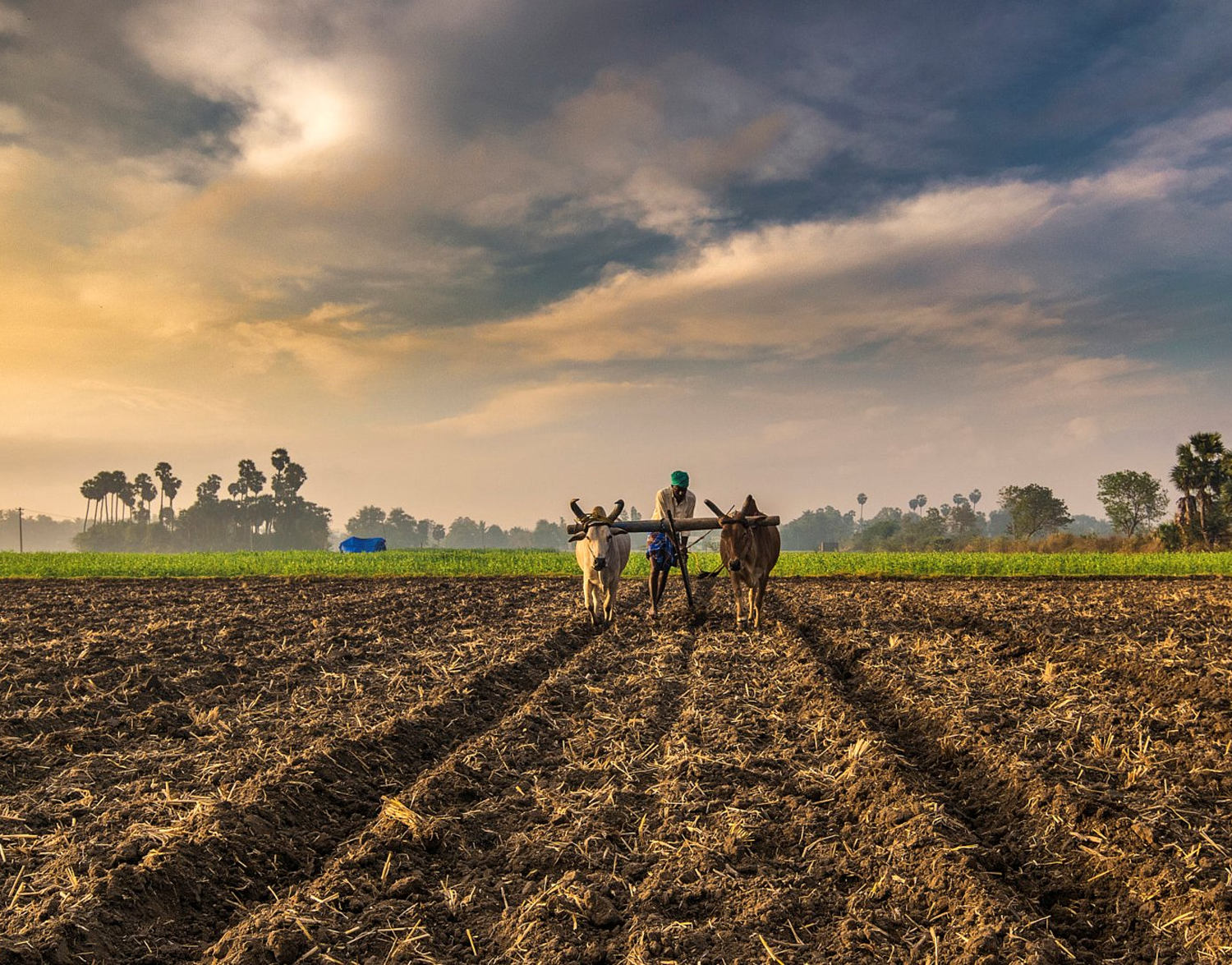
The spring season is often considered the starting point of the agricultural year. As temperatures rise and days grow longer, the soil begins to thaw and regain its nutrients. This season provides ideal conditions for sowing seeds of crops like wheat, barley, corn, and vegetables. Rainfall in spring aids germination, and moderate weather supports steady plant growth. However, unpredictable spring showers or early heat waves can sometimes disrupt planting schedules, requiring farmers to adapt quickly.
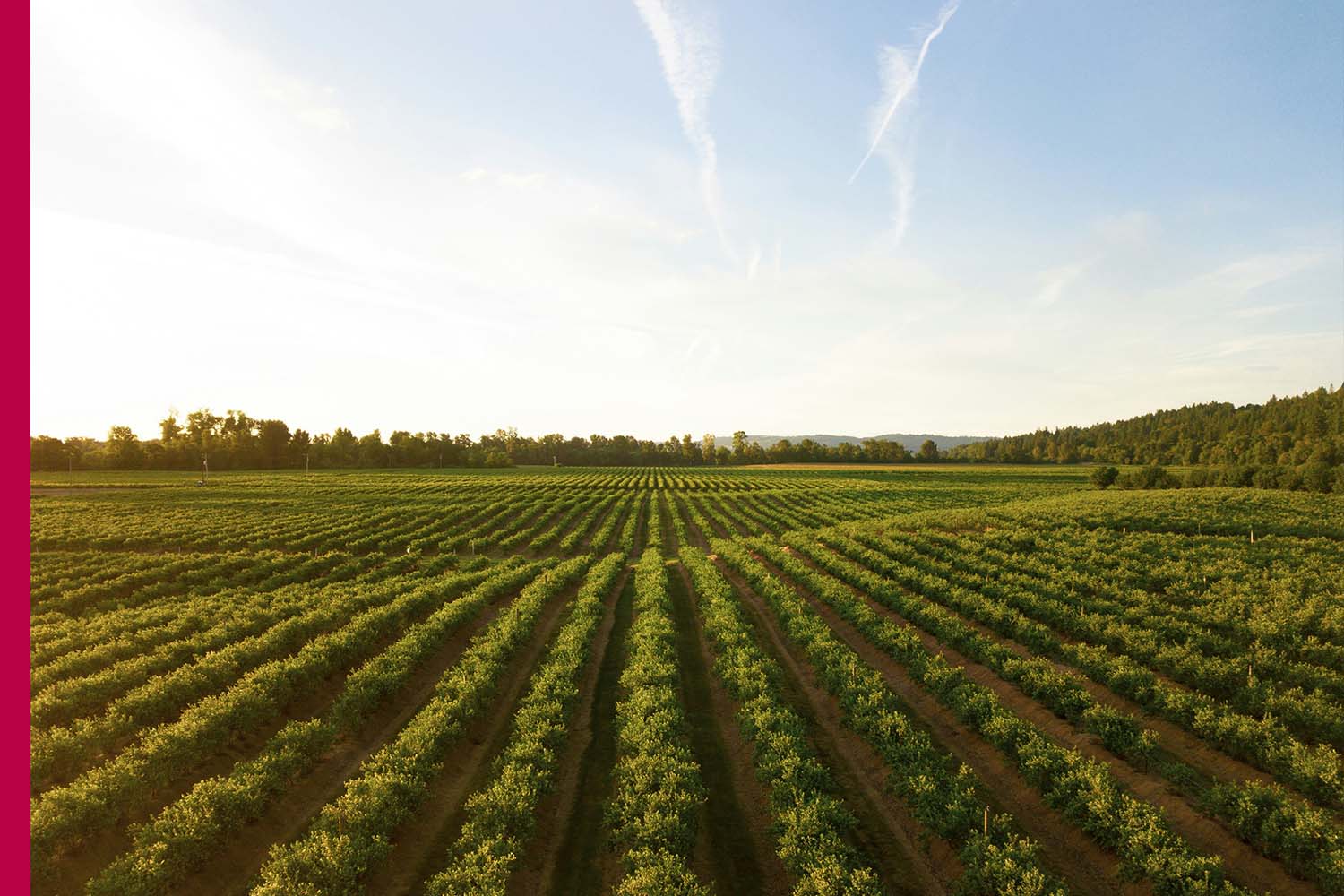
Summer, known for its heat and extended daylight, is a crucial period for plant development. Crops like rice, maize, sugarcane, and cotton thrive during this time, benefiting from the warmth and sunlight needed for photosynthesis. Farmers must focus on irrigation during summer, as high temperatures can cause soil moisture to evaporate rapidly. In regions with monsoon climates, summer rains bring relief and provide essential water for crops. Yet, too much rainfall can lead to waterlogging, pests, or fungal diseases, demonstrating how seasonal extremes can affect agricultural productivity.

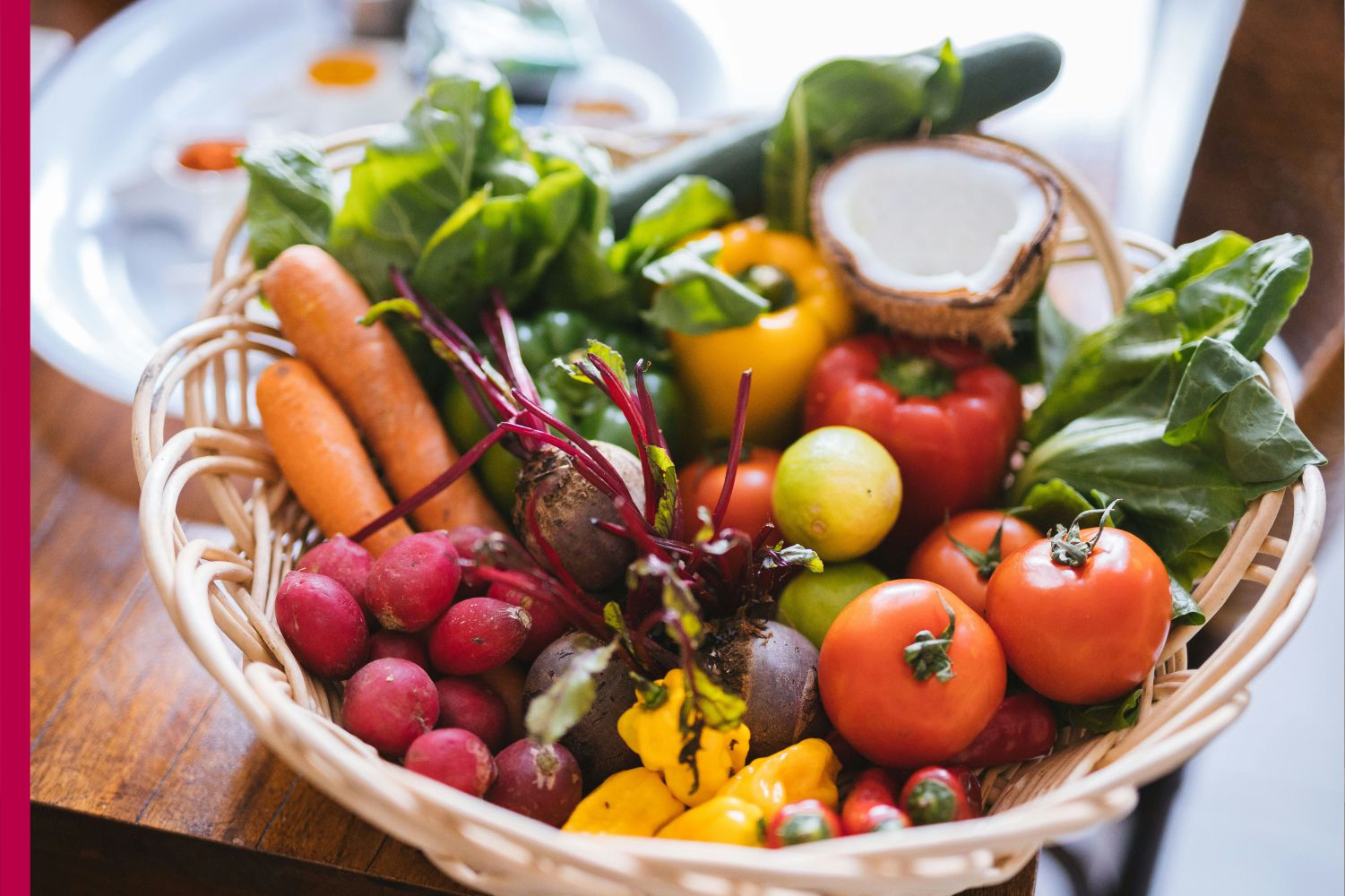
Autumn, or the harvest season, marks the culmination of months of hard work. As temperatures begin to cool, crops reach maturity, and farmers start collecting yields. This season is particularly important for grains, fruits, and vegetables that were planted earlier in the year. Autumn also offers an opportunity to prepare for the next planting cycle farmers may till, fertilize, or rotate their fields to maintain soil fertility. However, early frost or unexpected storms during autumn can threaten the quality and quantity of produce, reminding us of the delicate balance between agriculture and climate.
With the arrival of winter, agricultural activity slows down in many regions. Frost, snow, and cold winds make it difficult to grow most crops, while shorter daylight hours significantly reduce plant growth. Yet, winter is not entirely dormant—some hardy crops like potatoes, carrots, and winter wheat continue to grow. For many farmers, winter is a planning season, used to repair equipment, review past performance, and prepare for the next cycle. In tropical regions, mild winters still allow cultivation of crops such as vegetables, pulses, and certain fruits.
Climate change has intensified the impact of seasonal variations on agriculture. Unpredictable rainfall, extreme temperatures, and prolonged droughts are making it harder for farmers to rely on traditional seasonal patterns. As a result, innovations such as climate-smart farming, advanced irrigation systems, greenhouse cultivation, and weather forecasting tools have become essential.
In conclusion, the changing seasons play a vital role in shaping agricultural practices and outcomes. By understanding seasonal effects and adapting through modern techniques, the farming community can continue to sustain global food production despite environmental challenges.