




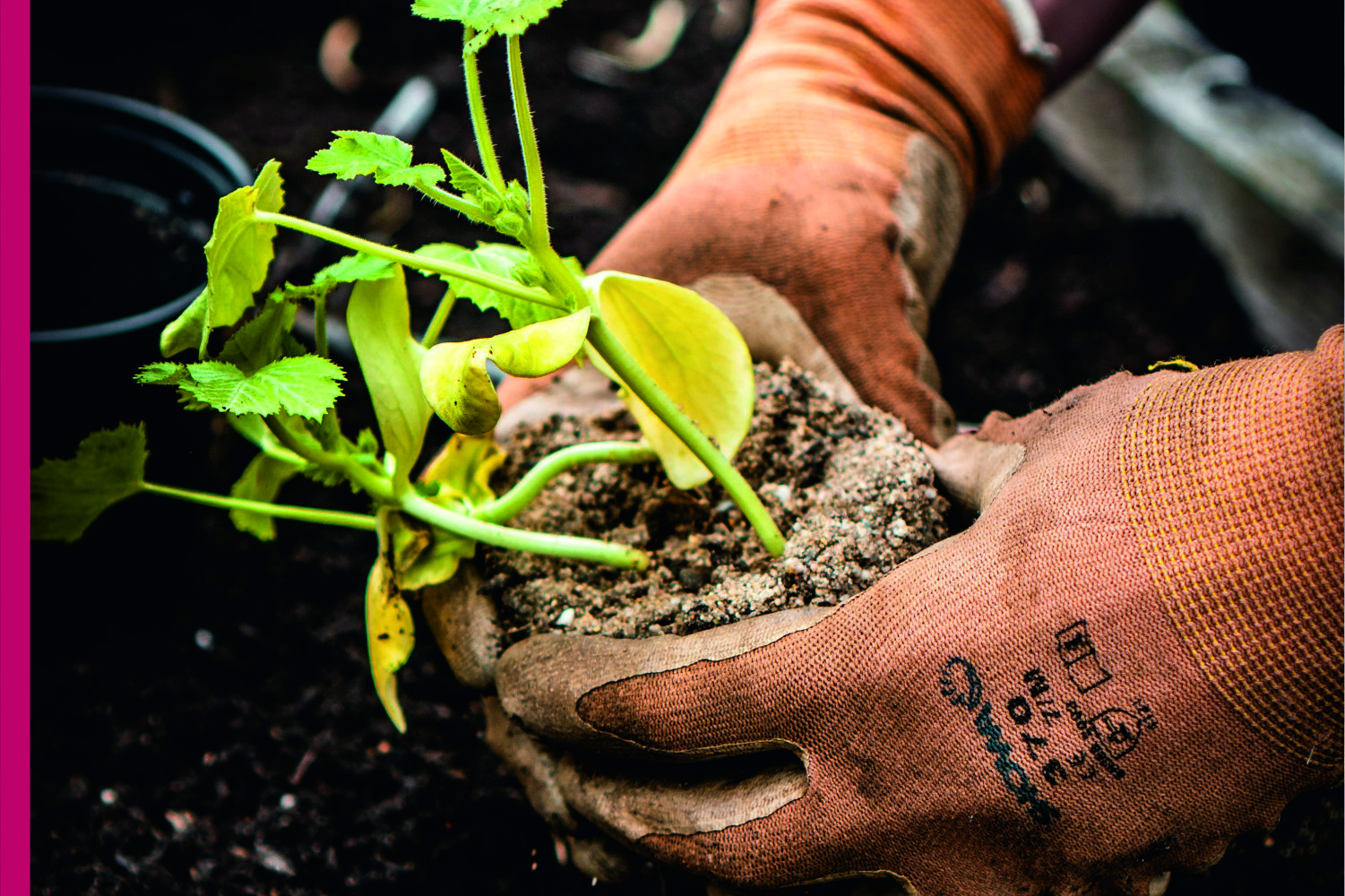
Gardening is more than just planting seeds in soil; it is a rewarding activity that connects people with nature and promotes a healthier, more balanced lifestyle. From small balcony gardens to large backyard landscapes, gardening offers a peaceful escape from daily stress while allowing individuals to create and care for living beauty. It is an age-old practice that continues to thrive in modern life due to its physical, mental, and environmental benefits.
One of the most appealing aspects of gardening is its accessibility. Anyone can start a garden, regardless of space or experience. Potted plants, vertical gardens, and indoor greenery make it possible for urban dwellers to enjoy gardening even in limited areas. Choosing plants suited to the local climate and soil conditions helps beginners succeed and builds confidence as they watch their plants grow and flourish.
Gardening provides numerous physical health benefits. Activities such as digging, planting, watering, and pruning involve gentle exercise that improves strength, flexibility, and endurance. Spending time outdoors also increases exposure to sunlight, which helps the body produce vitamin D, essential for bone health and immune function. Regular gardening can be an enjoyable way to stay active without the pressure of structured workouts.
The mental and emotional benefits of gardening are equally powerful. Caring for plants has a calming effect that reduces stress, anxiety, and mental fatigue. The act of nurturing life fosters patience, mindfulness, and a sense of accomplishment. Watching a seed sprout or a flower bloom brings joy and satisfaction, making gardening a natural form of therapy for many people.
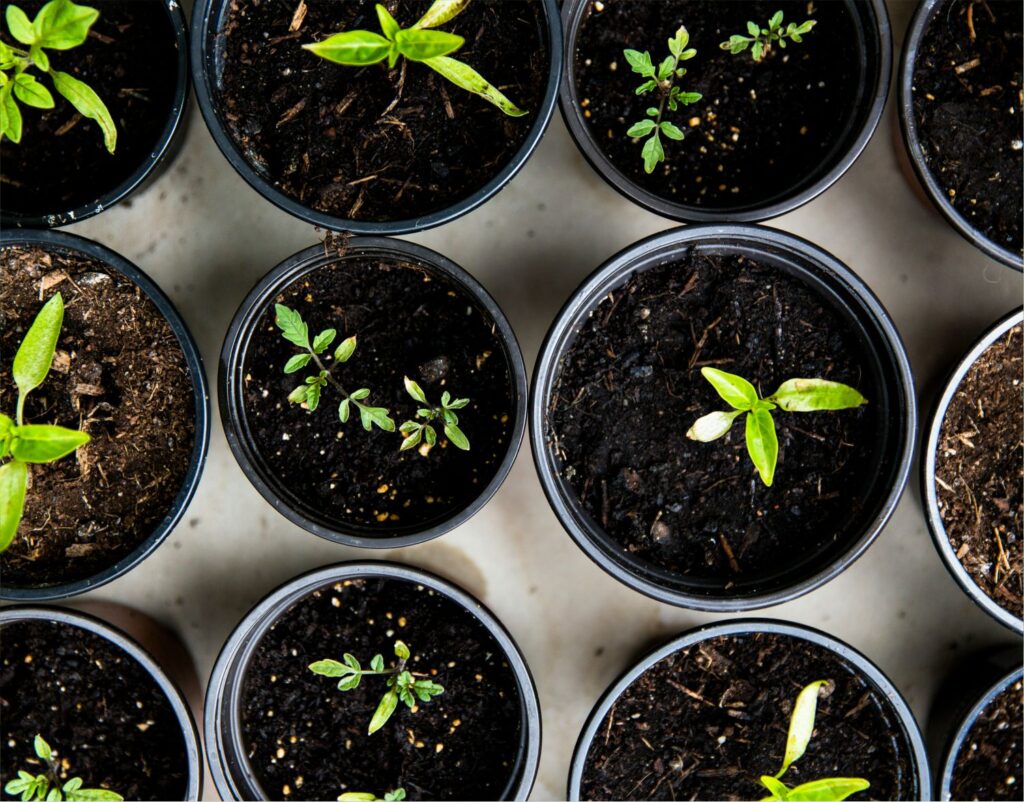
Gardening also plays an important role in environmental sustainability. Plants improve air quality by absorbing carbon dioxide and releasing oxygen. Home gardens support biodiversity by providing food and shelter for birds, bees, and beneficial insects. Growing vegetables, fruits, and herbs at home reduces reliance on store-bought produce, lowers carbon footprints, and encourages healthier eating habits. Organic gardening methods further protect soil health and reduce the use of harmful chemicals.
Another valuable aspect of gardening is the educational experience it offers. Children who garden learn about plant life cycles, responsibility, and the importance of nature. Gardening teaches practical skills such as planning, problem-solving, and observation. It also helps people develop a deeper appreciation for food, understanding the effort and care required to grow it from the ground up.
Gardening can also bring people together. Community gardens create shared spaces where individuals collaborate, exchange knowledge, and build relationships. These gardens promote social interaction, strengthen communities, and provide access to fresh produce for those who may not have gardening space at home.
In conclusion, gardening is a fulfilling practice that enriches both personal well-being and the environment. It offers physical activity, mental relaxation, and a meaningful connection to nature. Whether growing flowers for beauty or vegetables for nourishment, gardening encourages patience, care, and respect for the natural world. In a fast-paced digital age, gardening remains a timeless way to slow down, reconnect, and grow something truly meaningful.