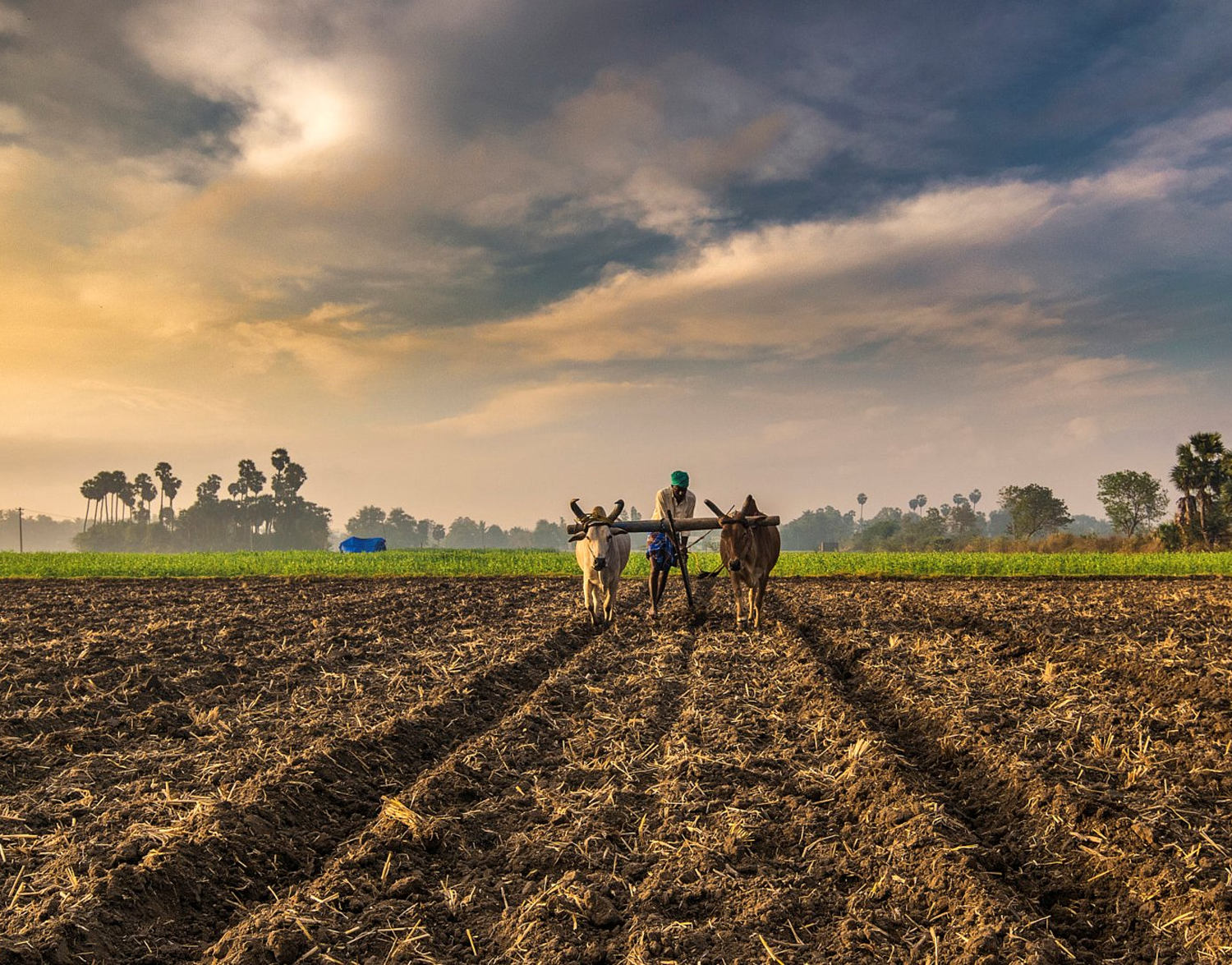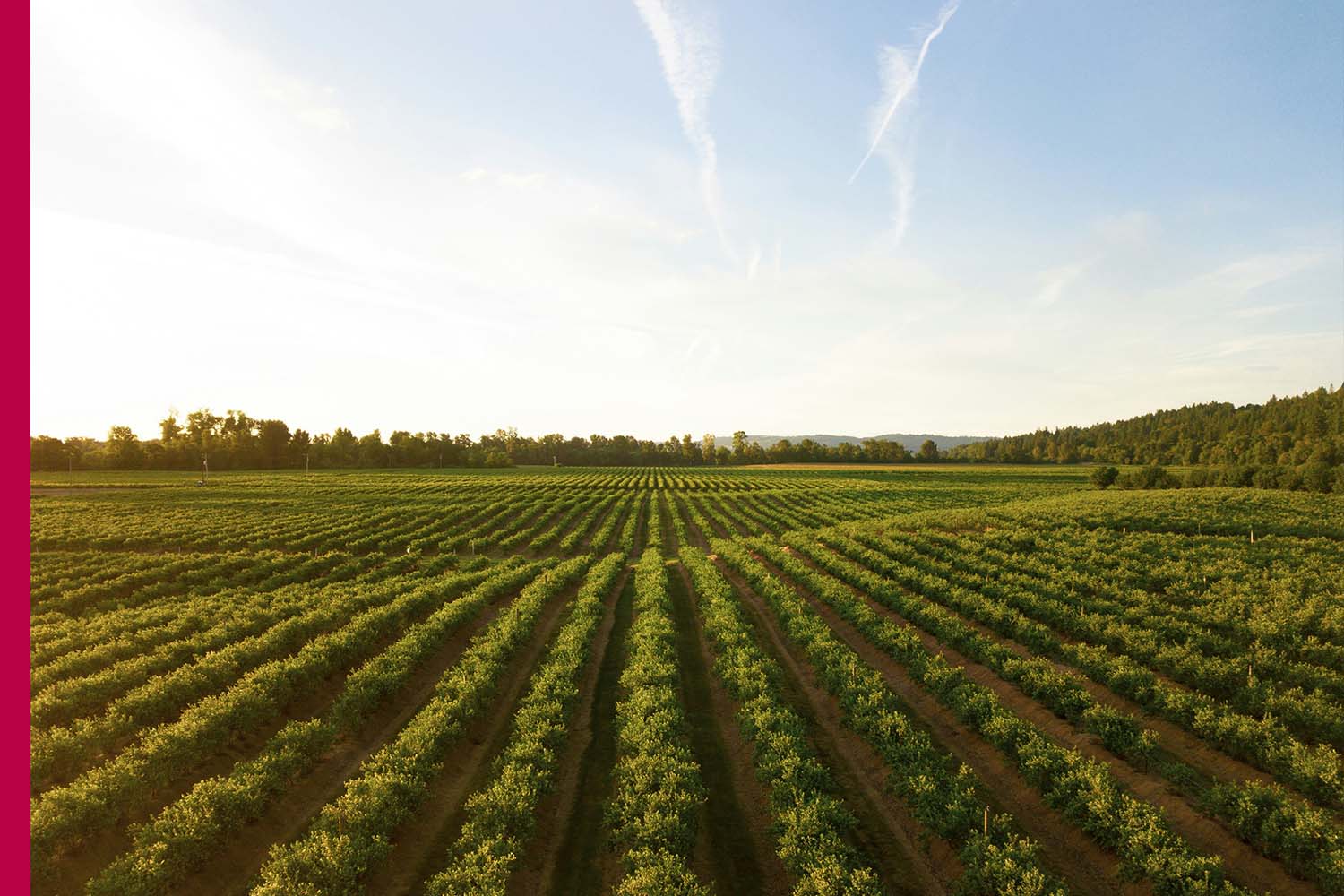




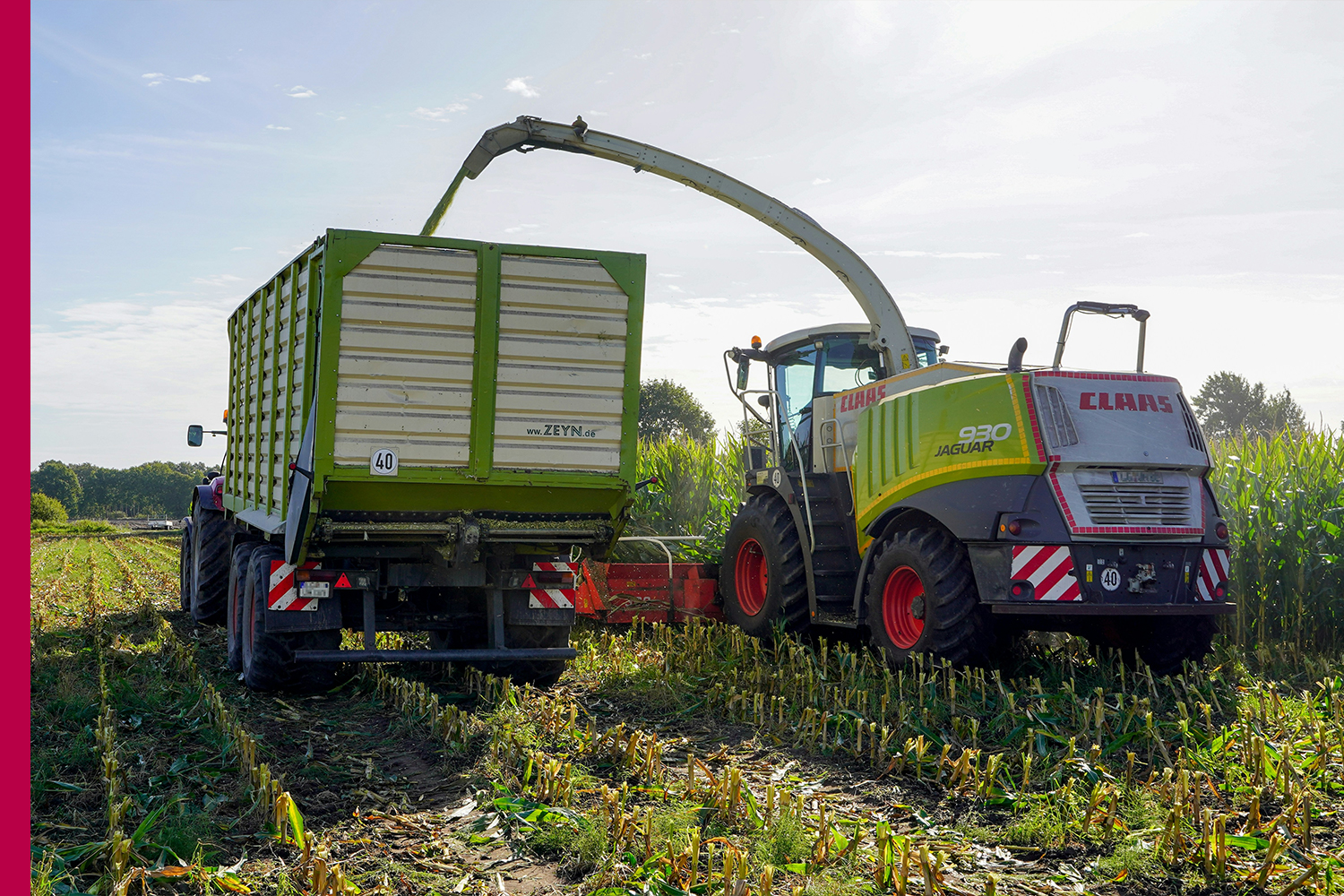
Agriculture has always been the backbone of human civilization, providing food, raw materials, and livelihoods for billions. But as the global population continues to rise and climate change poses new challenges, traditional farming methods are no longer sufficient to meet growing demands. Enter Agritech the fusion of agriculture and technology a transformative movement that is reshaping the way we grow, harvest, and distribute food.
Agritech, short for agricultural technology, refers to the use of modern innovations such as artificial intelligence (AI), drones, sensors, data analytics, and automation to enhance farming efficiency and sustainability. It aims to make agriculture more productive, profitable, and environmentally friendly by addressing issues like labor shortages, water scarcity, and unpredictable weather patterns. In essence, Agritech is leading the way toward smarter, data-driven farming.
One of the most significant advancements in Agritech is precision farming. Using GPS technology, soil sensors, and drones, farmers can now monitor crop health, soil moisture, and nutrient levels in real time. This allows them to apply fertilizers, pesticides, and water more accurately, reducing waste and improving yields. Precision agriculture not only optimizes resources but also helps farmers minimize environmental impact by preventing overuse of chemicals and conserving water.
Another major breakthrough in the Agritech revolution is the use of artificial intelligence and data analytics. AI-powered platforms analyze vast amounts of agricultural data to predict weather patterns, detect crop diseases early, and provide actionable insights for better decision-making. For instance, machine learning algorithms can forecast pest infestations or suggest the best planting times, helping farmers plan efficiently and avoid losses.
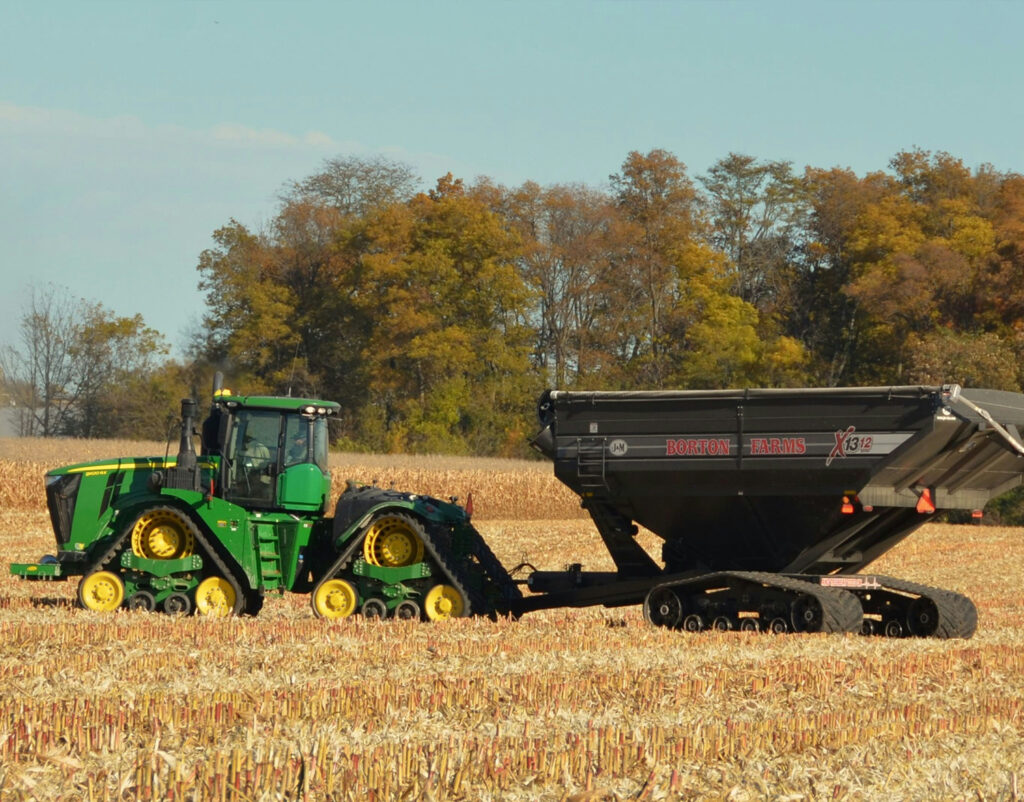
Drones and robotics are also changing the face of modern farming. Drones are used for aerial mapping, crop spraying, and field surveillance, providing real-time imagery and data that once took days to collect manually. Meanwhile, autonomous tractors and robotic harvesters are reducing the need for manual labor, making large-scale farming more efficient and cost-effective.
In addition to improving crop production, Agritech is transforming livestock management. Smart sensors can monitor the health and movement of animals, detect illnesses early, and optimize feeding schedules. This ensures better animal welfare and productivity while reducing operational costs.
Sustainability is another critical focus area for Agritech. As the effects of climate change intensify, technology-driven farming practices are helping reduce carbon emissions and promote resource conservation. Vertical farming, hydroponics, and aquaponics are innovative methods that allow crops to be grown indoors with minimal land and water use. These systems are particularly valuable in urban areas, where space and resources are limited.
Agritech also plays a vital role in supply chain efficiency. Blockchain and IoT technologies are being used to improve transparency and traceability in the food supply chain. Consumers can now track where their food comes from, ensuring safety and authenticity, while farmers benefit from fairer pricing and reduced middlemen.
In conclusion, Agritech represents the future of global agriculture — a future that combines innovation, sustainability, and productivity. By leveraging cutting-edge technologies, farmers can overcome traditional challenges and meet the food demands of a growing world population. As Agritech continues to evolve, it holds the promise of creating a more resilient and sustainable agricultural system, ensuring food security and prosperity for generations to come.