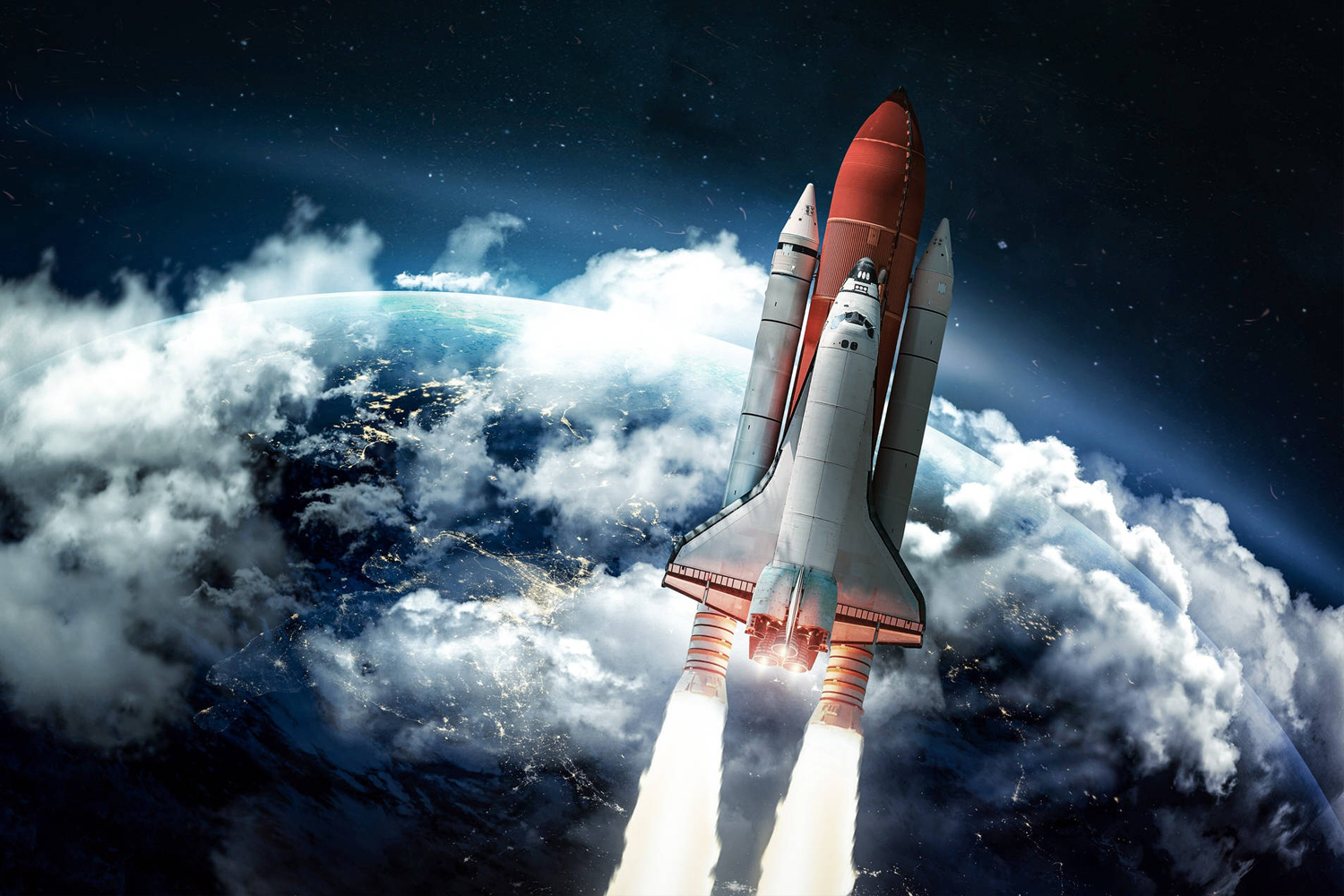


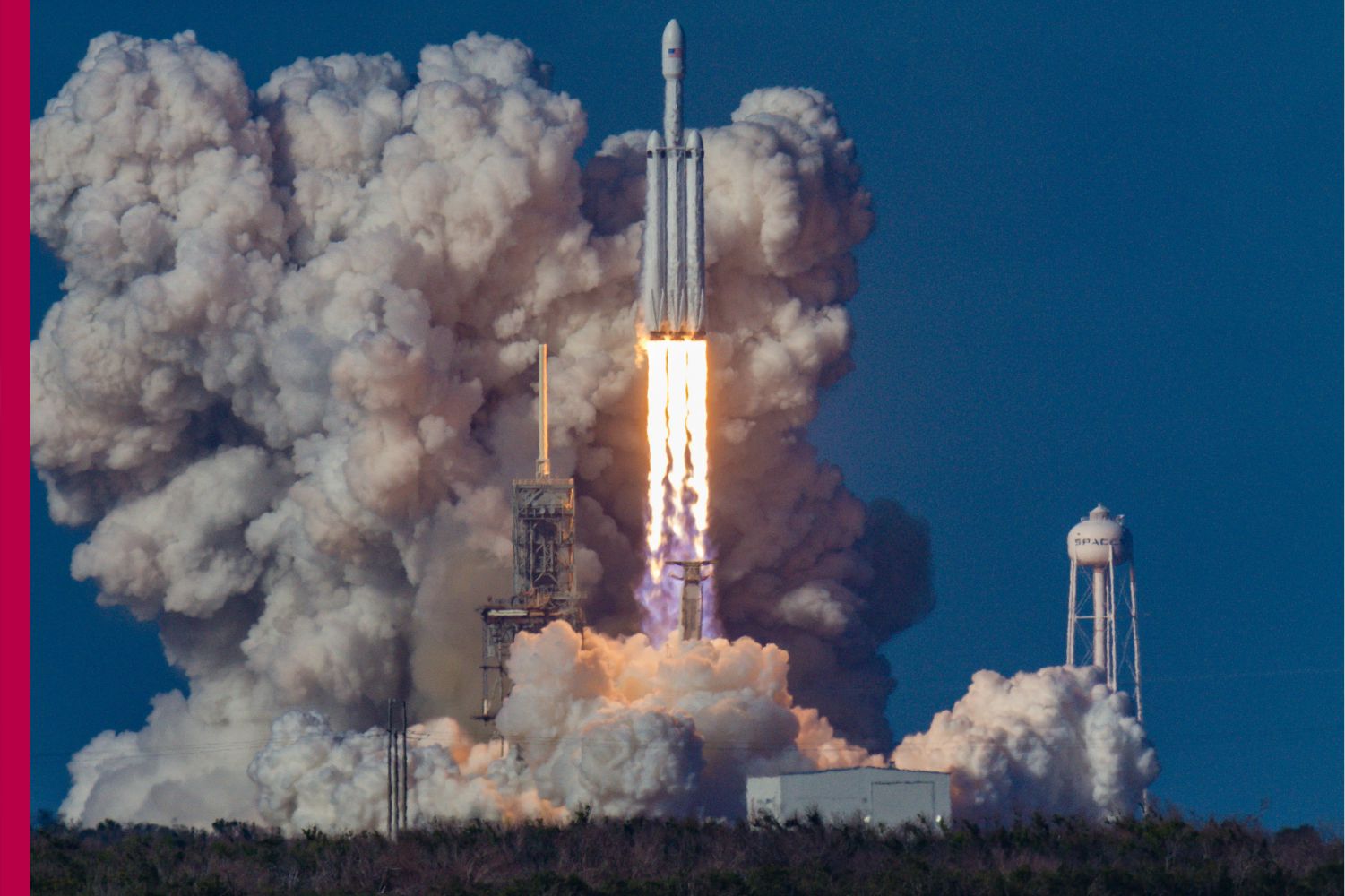

The commercial space industry is undergoing a revolutionary transformation with the rise of reusable rocket technology. Traditionally, rockets were designed for single use, with most components discarded after each launch. This made space missions extremely expensive and limited access to space. However, reusable rockets are changing this paradigm by allowing key components to be recovered, refurbished, and launched again, significantly reducing costs and increasing efficiency.
One of the leading pioneers in reusable rocket technology is SpaceX. Its Falcon 9 rocket has demonstrated the successful recovery and reuse of first-stage boosters multiple times. By landing boosters vertically on drone ships or landing pads, SpaceX has proven that rockets can be reused reliably without compromising safety. This innovation has drastically lowered launch costs and opened new opportunities for both government and private space missions.
Another major player in this space is Blue Origin, founded by Jeff Bezos. The company’s New Shepard rocket is designed for suborbital flights and is fully reusable, supporting space tourism and research missions. Blue Origin is also developing the New Glenn rocket, aimed at orbital launches with reusable capabilities. These advancements highlight the growing competition and innovation within the commercial space sector.
Reusable rockets offer several key benefits. The most significant is cost reduction. By reusing expensive components such as engines and boosters, companies can lower the cost per launch, making space more accessible to businesses, researchers, and governments. This affordability is driving the expansion of satellite deployment, space exploration, and commercial activities such as communication and Earth observation.
Increased launch frequency is another major advantage. Reusable rockets can be prepared for relaunch in a relatively short time compared to building new rockets from scratch. This allows for more frequent missions, supporting the growing demand for satellite constellations, global internet coverage, and scientific research. Faster turnaround times also enhance operational efficiency and responsiveness.
Environmental sustainability is an emerging benefit of reusable rocket technology. Traditional rocket launches generate significant waste, with discarded components often falling into oceans or remote areas. Reusability reduces debris and resource consumption, making spaceflight more environmentally responsible. Although rocket launches still have environmental impacts, reusability is a step toward more sustainable space operations.
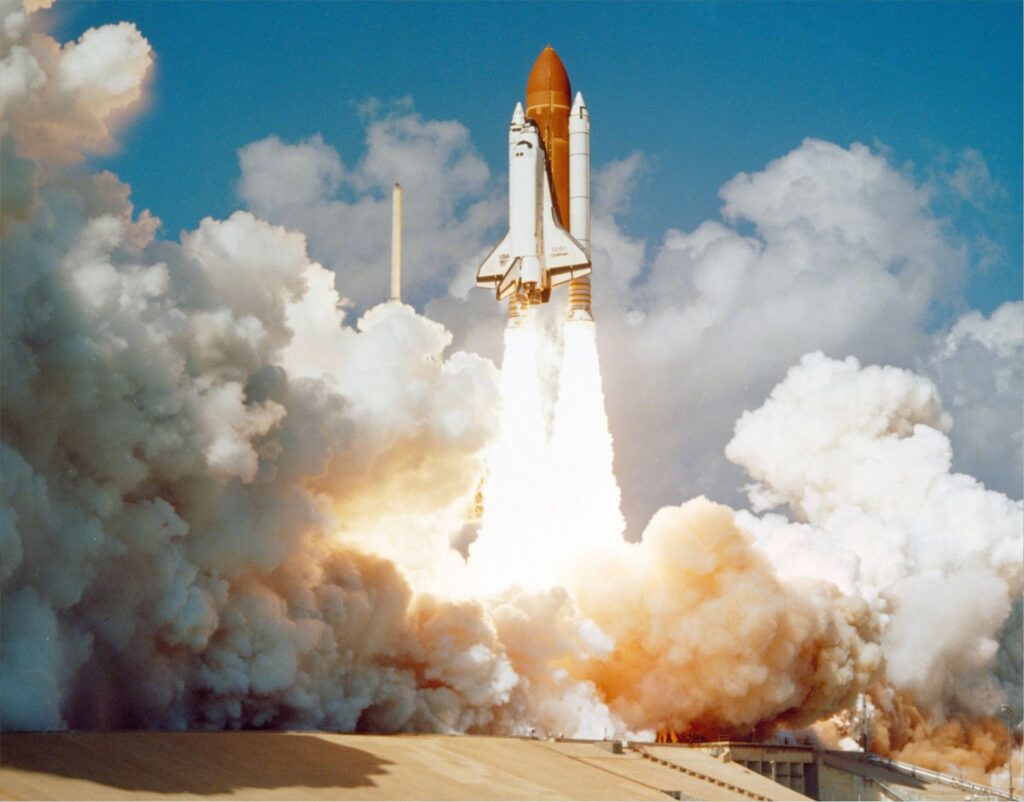
The rise of reusable rockets is also fueling the growth of new industries such as space tourism and private space exploration. Companies are now offering commercial spaceflights, allowing civilians to experience space travel. This shift is transforming space from a government-dominated domain into a competitive commercial market with diverse opportunities.
Despite these advantages, reusable rocket technology faces challenges. Ensuring the safety and reliability of reused components requires rigorous testing and maintenance. The initial development costs are high, and technological complexity remains a barrier for new entrants. However, continuous innovation and investment are helping overcome these challenges.
Looking ahead, reusable rockets are expected to become the standard in commercial spaceflight. Future developments may include fully reusable systems, where both the booster and upper stages can be recovered and reused. This could further reduce costs and enable ambitious missions such as human exploration of Mars and deep space travel.
In conclusion, the rise of reusable rockets is revolutionizing commercial spaceflight by making it more affordable, efficient, and sustainable. With companies like SpaceX and Blue Origin leading the way, the dream of accessible space is becoming a reality. As technology continues to advance, reusable rockets will play a crucial role in shaping the future of space exploration and commercialization.