


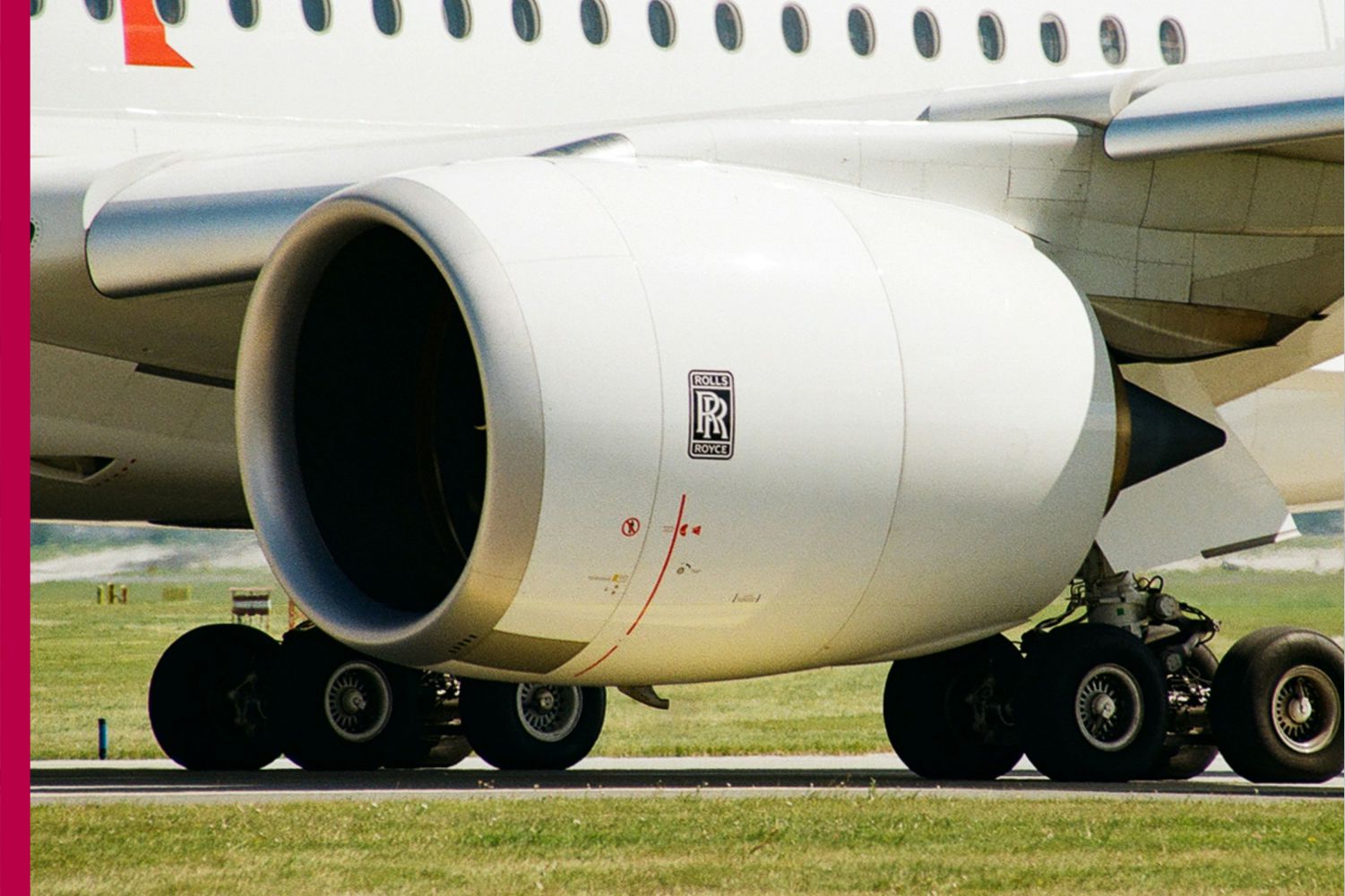
As the global aviation industry works to reduce its environmental impact, sustainable aviation fuel (SAF) has emerged as one of the most promising solutions. Aviation is a significant contributor to carbon emissions, and with air travel demand steadily increasing, finding cleaner alternatives to traditional jet fuel is essential. Sustainable aviation fuel offers a pathway to lower emissions while maintaining the performance and safety standards required for modern air travel.
Sustainable aviation fuel is produced from renewable or waste-based sources such as agricultural residues, used cooking oil, municipal waste, and non-food crops. Unlike conventional fossil-based jet fuel, SAF is designed to reduce lifecycle greenhouse gas emissions. Depending on the feedstock and production process, SAF can cut carbon emissions by up to 60–80 percent compared to traditional aviation fuel. Importantly, SAF can be blended with existing jet fuel and used in current aircraft engines without major modifications, making it a practical near-term solution.
One of the key benefits of sustainable aviation fuel is its potential to significantly reduce the aviation sector’s carbon footprint. Since SAF is made from renewable sources that absorb carbon during their growth, the overall emissions released during combustion are partially offset. This lifecycle approach makes SAF an effective tool in achieving climate targets and supporting global decarbonization efforts.
Another advantage of SAF is improved energy security. By diversifying fuel sources and reducing reliance on fossil fuels, countries can strengthen their energy independence. The use of locally sourced feedstocks also supports regional economies, creates new jobs, and encourages innovation in biofuel and clean energy industries.
Sustainable aviation fuel also helps airlines meet regulatory and environmental commitments. Governments and international organizations are increasingly introducing emission reduction targets and sustainability standards for aviation. Using SAF allows airlines to demonstrate environmental responsibility, enhance brand reputation, and appeal to environmentally conscious travelers. In the long term, early adoption of SAF can position airlines as leaders in sustainable aviation.
Despite its benefits, the widespread adoption of sustainable aviation fuel faces several challenges. One of the biggest obstacles is cost. SAF is currently more expensive to produce than conventional jet fuel due to limited production capacity, complex processing technologies, and supply chain constraints. These higher costs can discourage airlines from adopting SAF at scale without financial incentives or policy support.
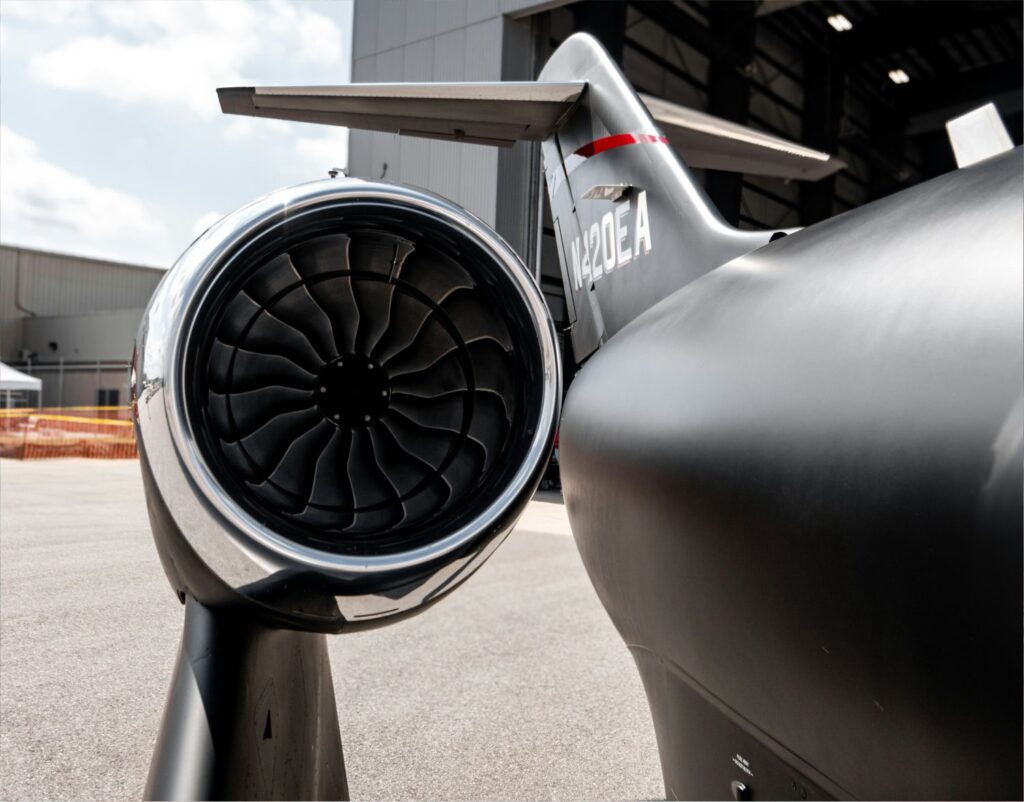
Availability is another major challenge. Global SAF production remains limited, accounting for only a small fraction of total aviation fuel demand. Scaling up production requires significant investment in infrastructure, feedstock supply, and advanced refining technologies. Ensuring a consistent and sustainable supply of raw materials without competing with food production or causing environmental harm is also critical.
Technical and logistical challenges further complicate SAF adoption. While SAF is compatible with existing aircraft, blending limits and certification processes must be carefully managed. Additionally, fuel distribution systems need to be adapted to handle new fuel types efficiently across airports worldwide.
Policy and regulatory support play a crucial role in overcoming these challenges. Government incentives, subsidies, and mandates can help bridge the cost gap and encourage investment in SAF production. International collaboration is also essential to create standardized regulations and accelerate global adoption.
In conclusion, sustainable aviation fuel represents a vital step toward reducing the environmental impact of air travel. Its benefits include significant emission reductions, improved energy security, and support for sustainability goals. However, challenges related to cost, availability, and infrastructure must be addressed through innovation, investment, and supportive policies. As technology advances and production scales up, sustainable aviation fuel has the potential to become a cornerstone of a cleaner and more sustainable aviation future.