


Artificial Intelligence (AI) is playing an increasingly critical role in aircraft design and manufacturing, transforming how airplanes are conceptualized, built, tested, and maintained. As the aviation industry strives for greater efficiency, safety, sustainability, and innovation, AI-driven technologies are helping manufacturers overcome complex engineering challenges and shorten development cycles. From advanced simulations to smart factories, AI is redefining modern aviation.
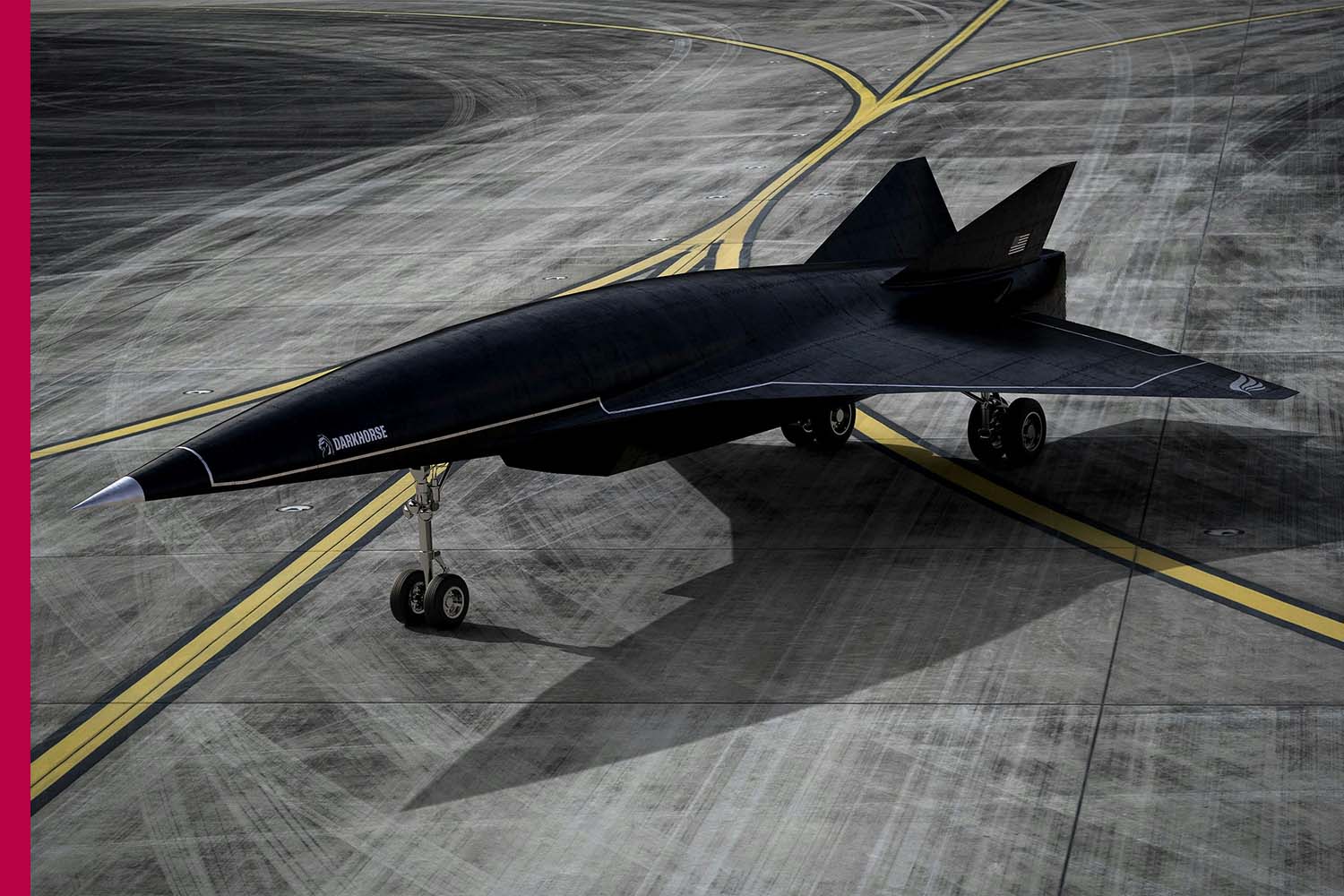
One of the most significant impacts of AI is in aircraft design and engineering. Designing an aircraft involves balancing thousands of variables, including aerodynamics, weight, fuel efficiency, safety, and cost. AI-powered algorithms can analyze massive datasets and simulate countless design scenarios in a fraction of the time required by traditional methods. Engineers use AI to optimize wing shapes, fuselage structures, and materials to achieve better performance and reduced fuel consumption. This data-driven approach enables more innovative designs while minimizing trial-and-error processes.
AI also enhances computational simulations and testing. Traditionally, physical prototypes and wind tunnel testing are time-consuming and expensive. AI-driven digital simulations allow engineers to predict how an aircraft will perform under various conditions, such as extreme weather, turbulence, or mechanical stress. These virtual tests improve accuracy, reduce development costs, and speed up certification timelines without compromising safety.
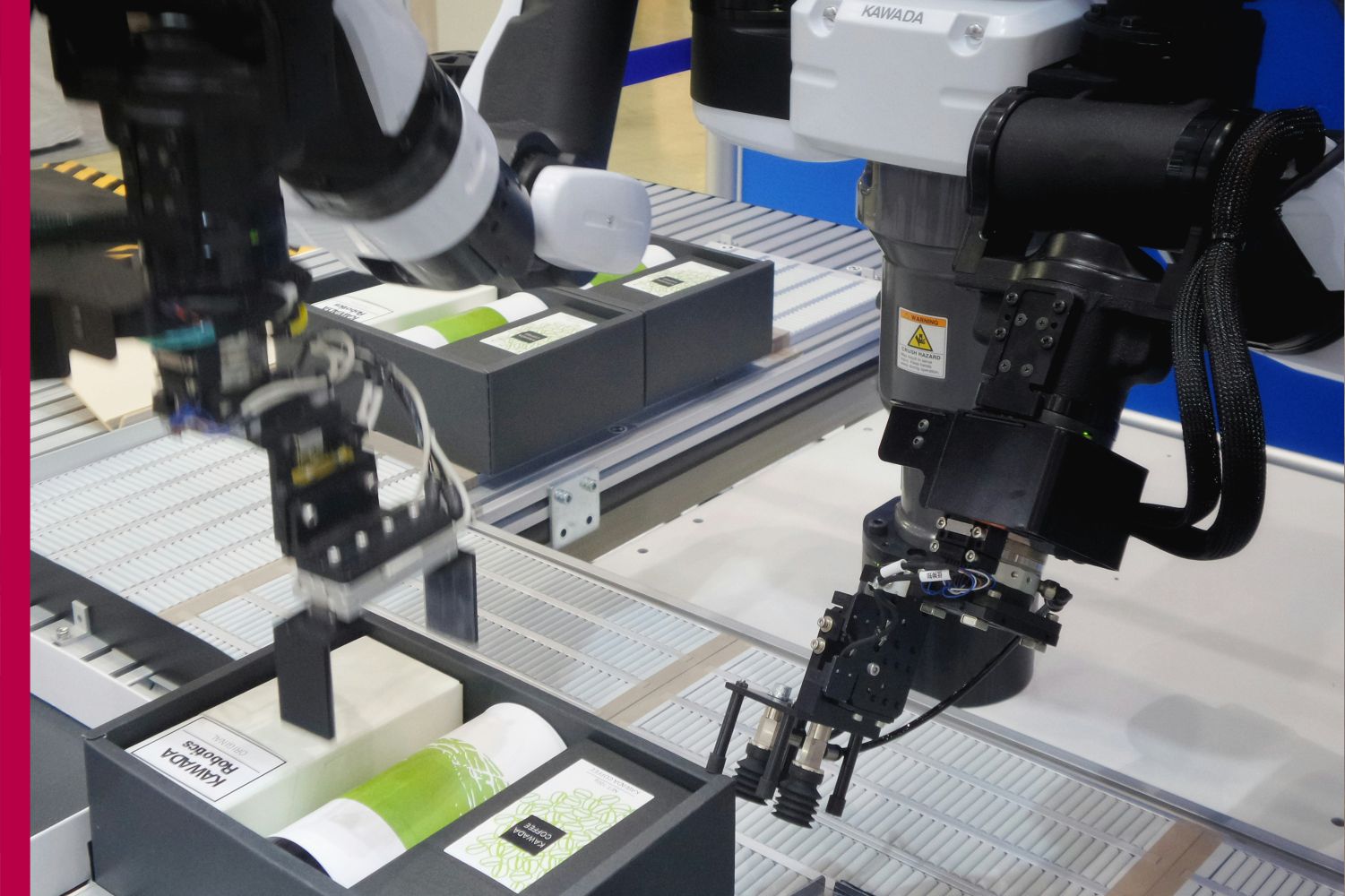
In manufacturing, AI is at the core of smart factory operations. Aircraft manufacturing requires extreme precision, as even minor defects can impact safety. AI-powered robots and automation systems perform tasks such as drilling, riveting, welding, and assembly with exceptional accuracy and consistency. Computer vision systems inspect components in real time, detecting defects that might be invisible to the human eye. Leading aerospace manufacturers like Airbus and Boeing use AI-driven automation and analytics to improve production quality and efficiency.
Supply chain optimization is another area where AI adds significant value. Aircraft manufacturing involves thousands of suppliers and complex logistics networks. AI systems analyze supply chain data to forecast demand, manage inventory, and identify potential disruptions. Predictive analytics help manufacturers avoid delays, reduce costs, and ensure timely availability of critical components, improving overall production reliability.
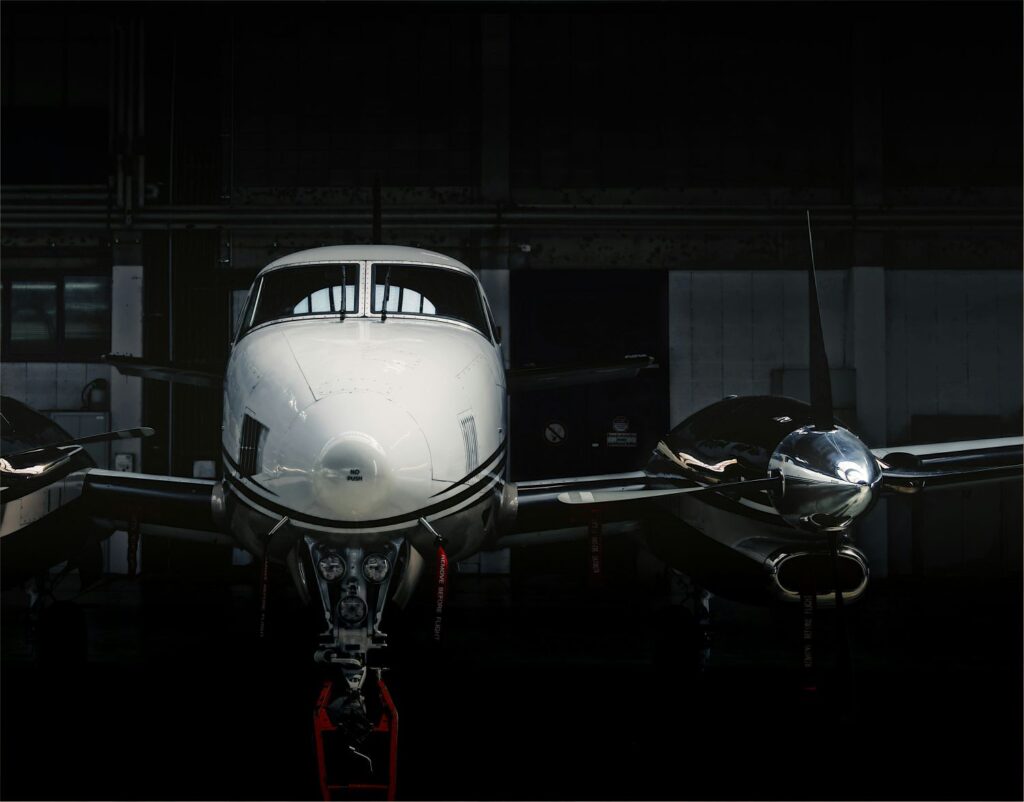
AI also plays a key role in predictive maintenance during and after manufacturing. By analyzing sensor data from aircraft systems, AI can predict potential component failures before they occur. This capability is increasingly integrated during manufacturing to ensure that aircraft are delivered with optimized maintenance schedules. Predictive maintenance improves aircraft reliability, reduces downtime, and enhances safety throughout the aircraft’s lifecycle.
Another important contribution of AI is in sustainability and fuel efficiency. Aviation faces growing pressure to reduce carbon emissions and environmental impact. AI helps engineers design lighter structures, improve aerodynamics, and optimize manufacturing processes to reduce material waste and energy consumption. AI-driven insights support the development of more efficient aircraft that align with global sustainability goals.
Despite its benefits, adopting AI in aircraft design and manufacturing comes with challenges. High implementation costs, data security concerns, regulatory requirements, and the need for skilled professionals are key considerations. However, ongoing investment in AI research, workforce training, and digital infrastructure continues to address these challenges.
In conclusion, AI is revolutionizing aircraft design and manufacturing by enabling smarter design, faster testing, precision manufacturing, and efficient operations. As AI technologies continue to evolve, they will play an even greater role in shaping safer, more efficient, and more sustainable aircraft. The integration of AI marks a new era in aviation, where innovation and intelligence drive the future of flight.