



Helicopters are among the most versatile and remarkable machines in the world of aviation. Unlike fixed-wing aircraft, helicopters have the unique ability to take off and land vertically, hover in one place, and maneuver in confined spaces. These capabilities allow them to perform tasks that airplanes cannot, making helicopters essential in rescue missions, military operations, transportation, and many commercial industries.
At the core of a helicopter’s design is its rotor system. The large rotating blades on top generate lift by pushing air downward as they spin. By changing the angle of these blades, pilots can control the helicopter’s movement in all directions up, down, forward, backward, and sideways. To counteract the spinning force of the main rotor, most helicopters use a tail rotor or an advanced stabilization system. This balance of forces enables precise control, allowing helicopters to hover steadily even in challenging conditions.
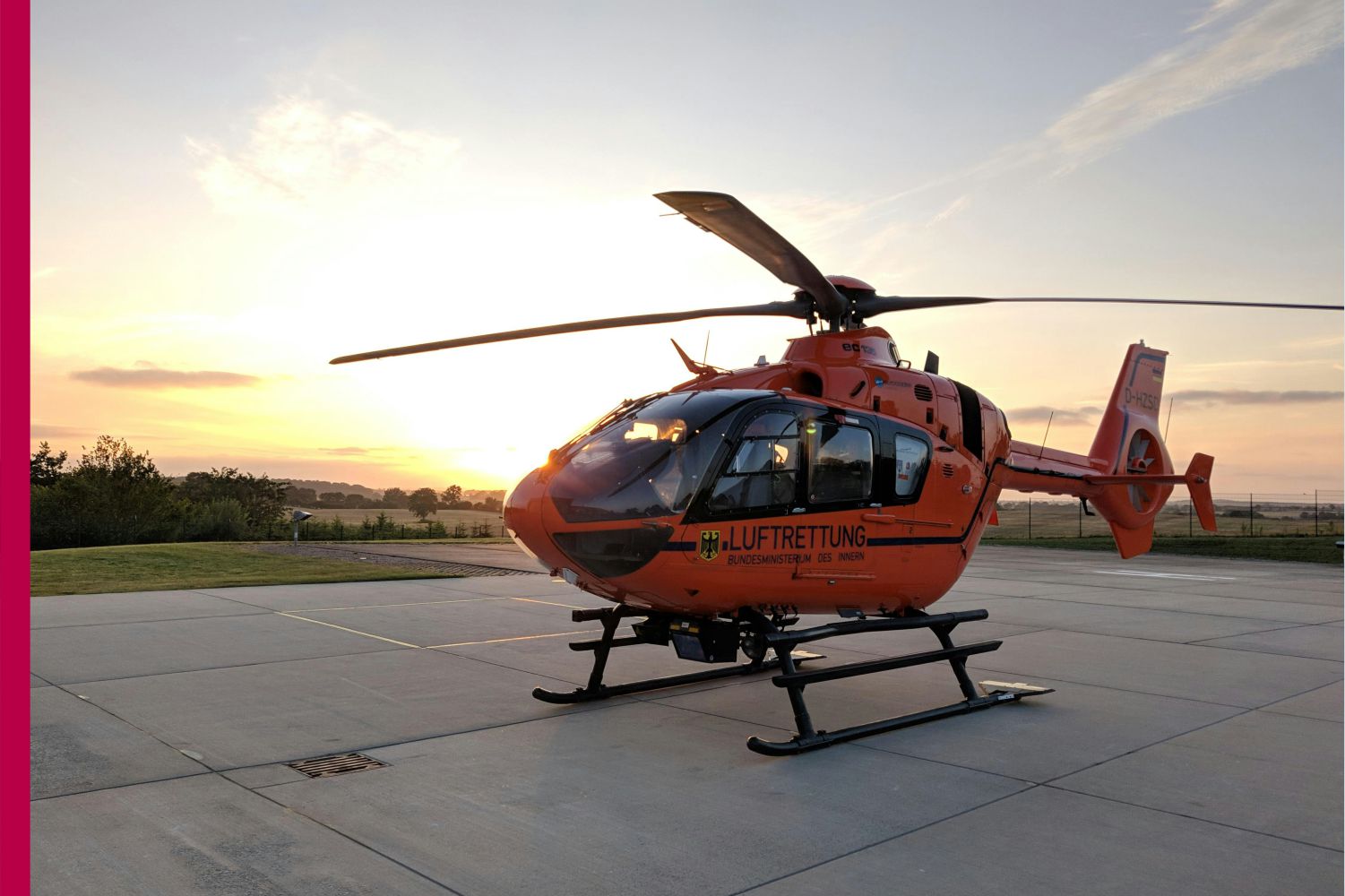
One of the most important roles of helicopters is in emergency services. Air ambulances transport critically injured or ill patients rapidly, often reaching remote or traffic-congested areas where ground vehicles would be too slow. Search and rescue helicopters operate in mountains, oceans, forests, and disaster zones, saving lives by accessing areas that are otherwise unreachable. Firefighting helicopters also play a crucial role by carrying large buckets of water or fire retardant to combat wildfires and protect communities.
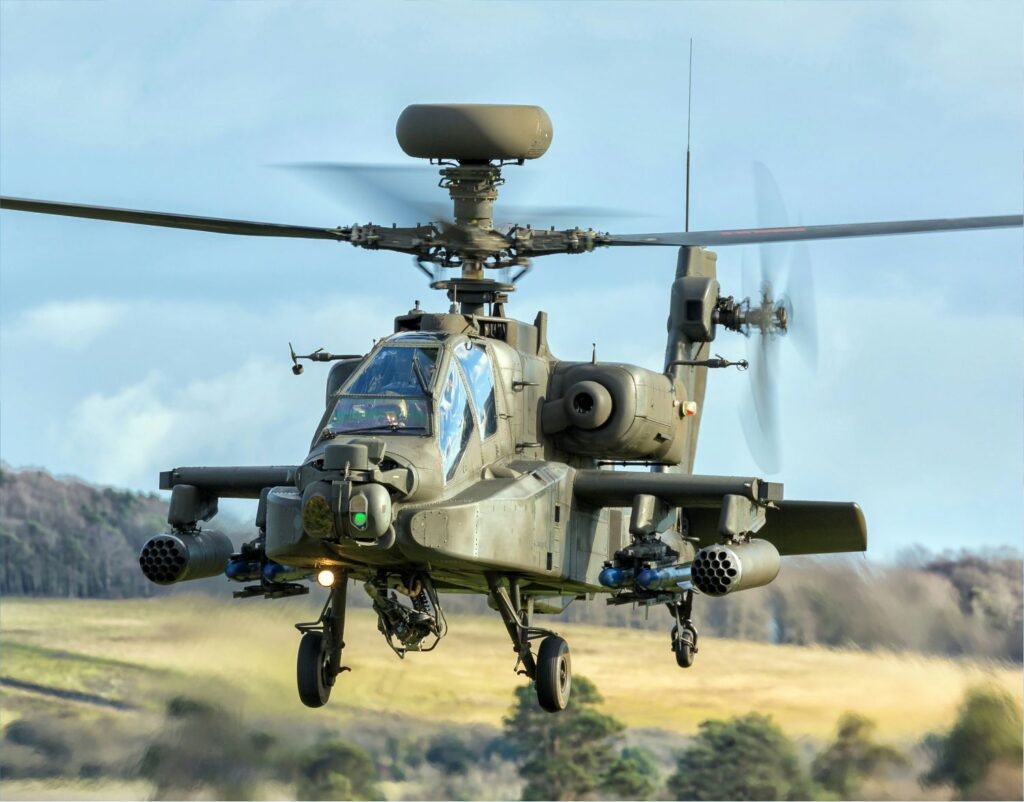
Helicopters are equally vital in military applications. Armed forces around the world rely on helicopters for troop deployment, reconnaissance, supply transport, and medical evacuation. Attack helicopters provide close air support, while transport helicopters move soldiers and equipment directly to the battlefield. Their ability to fly low, avoid obstacles, and land almost anywhere makes them powerful assets in modern warfare and peacekeeping missions.
In civilian and commercial sectors, helicopters serve a wide range of purposes. Offshore oil and gas industries depend on them to transport workers safely to platforms at sea. In construction, helicopters lift heavy materials to high-rise buildings or difficult terrain. They are also used for aerial photography, news reporting, traffic monitoring, and surveying. In recent years, helicopter charter services have gained popularity, offering fast and efficient travel in crowded urban environments.
Despite their many advantages, helicopters come with challenges. They are complex machines that require intensive maintenance, skilled pilots, and significant operating costs. Noise and environmental concerns are also ongoing issues. To address these challenges, manufacturers are developing quieter rotor systems, improved fuel efficiency, and even electric or hybrid-powered helicopters for the future.
Helicopters represent a perfect blend of engineering innovation and practical utility. Their unmatched flexibility and ability to operate in diverse conditions make them indispensable across industries. As technology advances, helicopters will continue to evolve, remaining a vital force in aviation and a symbol of human ingenuity and progress.