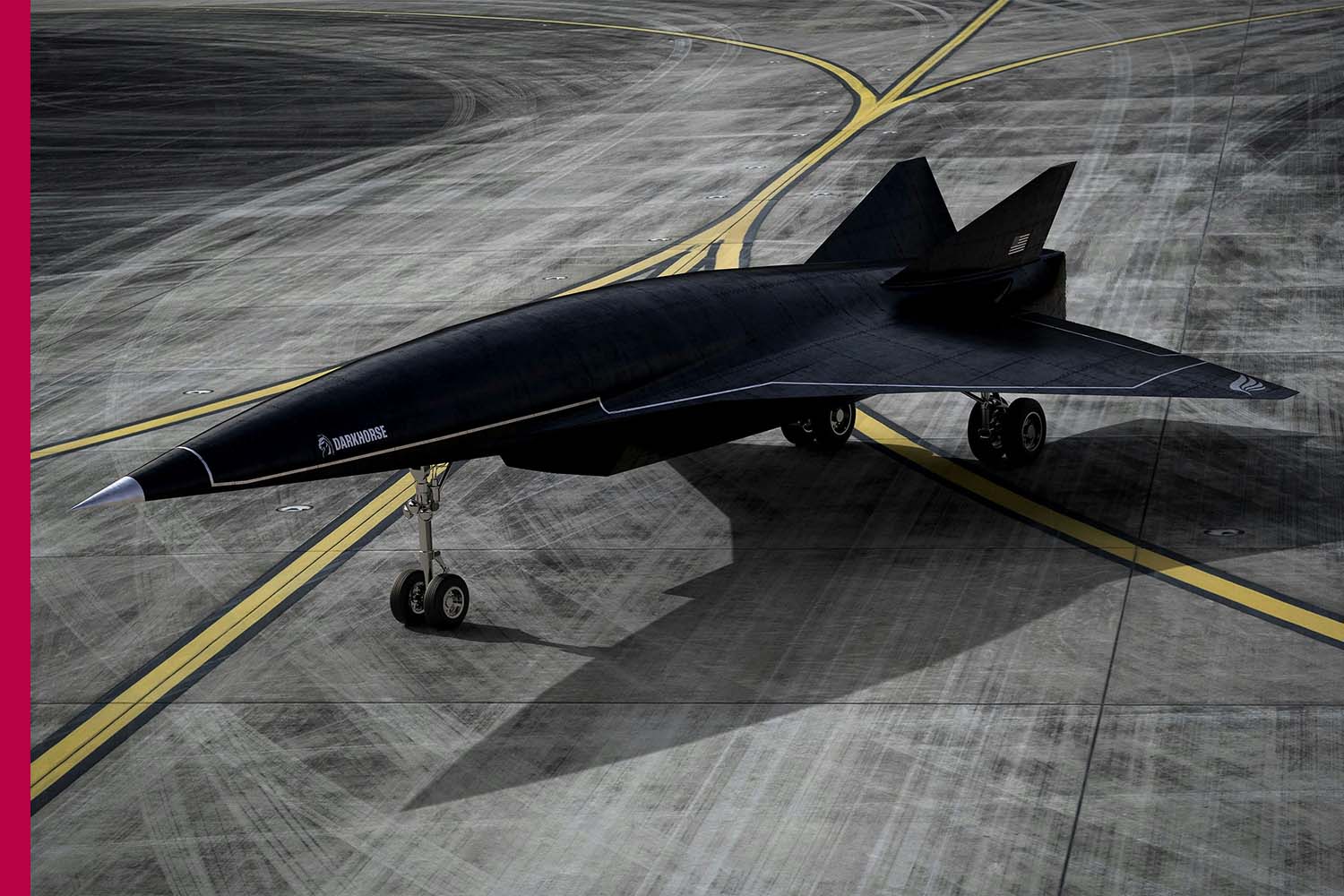








The aviation industry, long associated with high carbon emissions, is undergoing a significant transformation as it embraces sustainability. With growing concerns about climate change and environmental impact, green aviation has become a priority for airlines, manufacturers, and governments worldwide. At the heart of this shift lies the development of sustainable fuel innovations that aim to reduce the carbon footprint of air travel while maintaining efficiency and performance.
One of the most promising solutions in green aviation is Sustainable Aviation Fuel (SAF). Unlike traditional jet fuel derived from fossil fuels, SAF is produced from renewable resources such as agricultural waste, used cooking oil, algae, and even municipal solid waste. These fuels are designed to work with existing aircraft engines and infrastructure, making them a practical alternative. SAF can significantly reduce lifecycle carbon emissions, sometimes by up to 80 percent, depending on the source and production method.
Another emerging innovation is the development of synthetic fuels, also known as e-fuels. These fuels are created using renewable energy sources like solar or wind power, combined with captured carbon dioxide. The result is a cleaner-burning fuel that can potentially achieve near-zero emissions. While still in the early stages of large-scale adoption, e-fuels represent a promising step toward a more sustainable aviation future.
Hydrogen is also gaining attention as a potential aviation fuel. Hydrogen-powered aircraft could produce zero carbon emissions during flight, emitting only water vapor. However, significant challenges remain, including storage, infrastructure, and aircraft design modifications. Despite these hurdles, major aerospace companies are investing heavily in hydrogen research, indicating strong future potential.
Electric aviation is another area of innovation, particularly for short-haul flights. Electric aircraft use battery-powered systems, eliminating fuel emissions entirely during operation. While current battery technology limits the range and capacity of such aircraft, ongoing advancements are expected to expand their capabilities in the coming years.

Airlines around the world are already taking steps to adopt sustainable fuel solutions. Companies like Airbus and Boeing are actively working on aircraft designs that can operate efficiently with alternative fuels. Many airlines are also partnering with fuel producers to increase the availability and use of SAF, gradually integrating it into their operations.
Government policies and international regulations are playing a crucial role in accelerating green aviation. Incentives, emissions targets, and sustainability commitments are encouraging the industry to invest in cleaner technologies. Collaborative efforts between public and private sectors are essential to scale production and reduce the cost of sustainable fuels.
Despite the progress, challenges remain. The high cost of production, limited supply, and infrastructure requirements are barriers to widespread adoption. However, as technology advances and demand increases, these obstacles are expected to diminish over time.
In conclusion, sustainable fuel innovations are at the forefront of transforming the aviation industry. Green aviation is no longer a distant goal but an evolving reality. By investing in cleaner fuels and technologies, the industry is taking meaningful steps toward reducing its environmental impact while continuing to connect the world.