



Flight technology represents one of humanity’s most extraordinary achievements, transforming the ancient dream of flying into a reality that connects the world. From early observations of birds to modern supersonic jets and space-bound vehicles, the evolution of flight technology reflects innovation, persistence, and scientific mastery. Today, flight is an essential part of global transportation, defense, exploration, and commerce.
The foundations of flight technology lie in understanding aerodynamics. The principles of lift, thrust, drag, and gravity govern how aircraft rise and stay in the air. Early pioneers studied these forces through experiments and gliders, gradually discovering how wing shape and airflow create lift. These discoveries paved the way for powered flight and marked a turning point in human history.
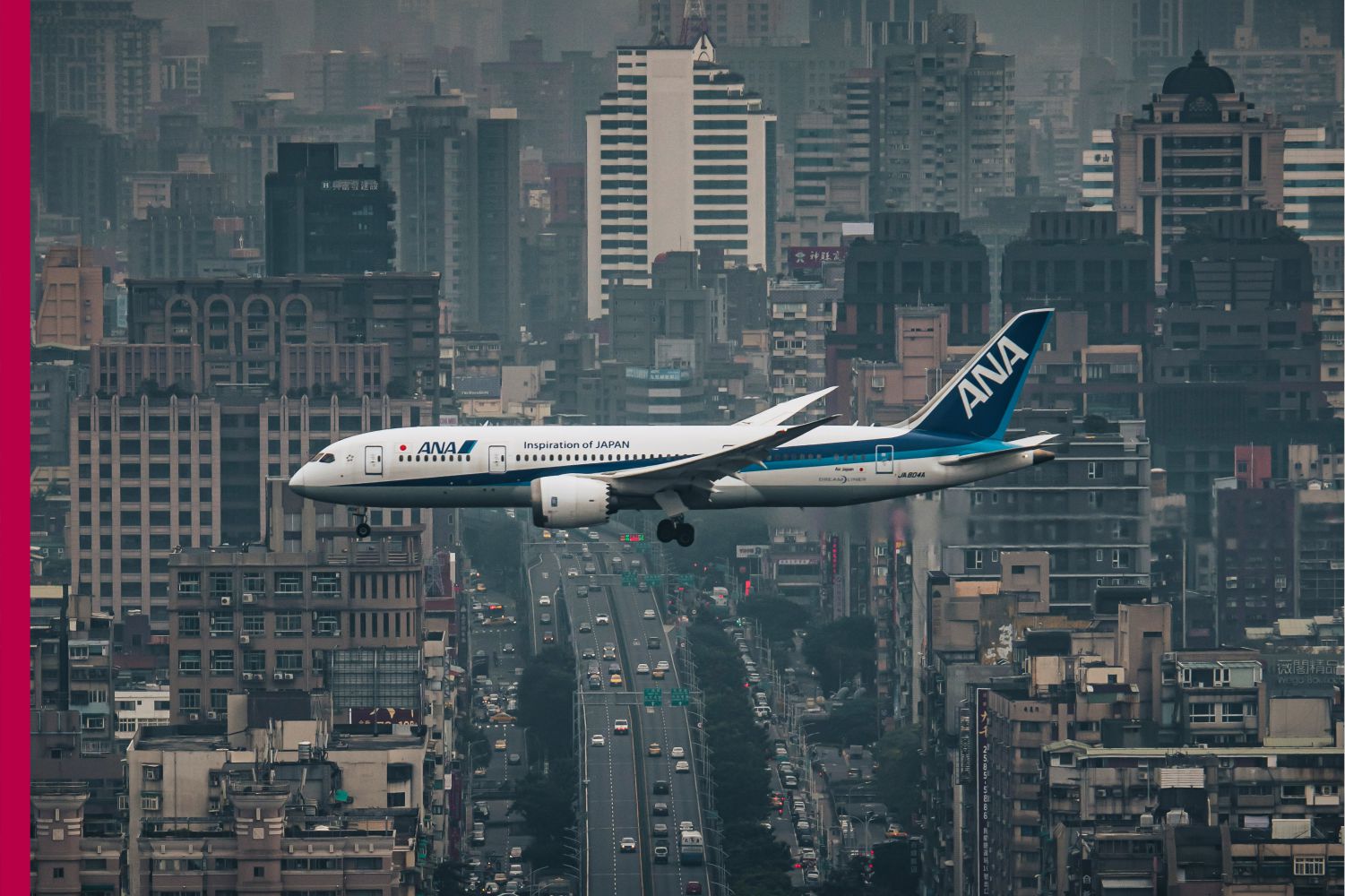
The invention of the airplane revolutionized travel and communication. Early aircraft were simple and fragile, constructed from wood and fabric, powered by basic engines. Over time, advancements in materials such as aluminum alloys and composites improved strength, safety, and efficiency. Engine technology also evolved from piston engines to powerful jet engines, enabling faster speeds, longer ranges, and higher altitudes.
Modern flight technology emphasizes safety and reliability. Aircraft are equipped with advanced avionics systems that include navigation, communication, and flight control technologies. Autopilot systems assist pilots in maintaining stable flight, while sophisticated sensors continuously monitor aircraft performance. Redundant systems and rigorous testing ensure that even in challenging conditions, flights remain safe and controlled.
Fuel efficiency and environmental impact have become major focuses in recent decades. Engineers design aerodynamic airframes and lighter materials to reduce fuel consumption. Modern jet engines are quieter and more efficient, producing fewer emissions. Research into sustainable aviation fuels, electric aircraft, and hybrid propulsion systems aims to make flight more environmentally responsible while meeting growing global demand.
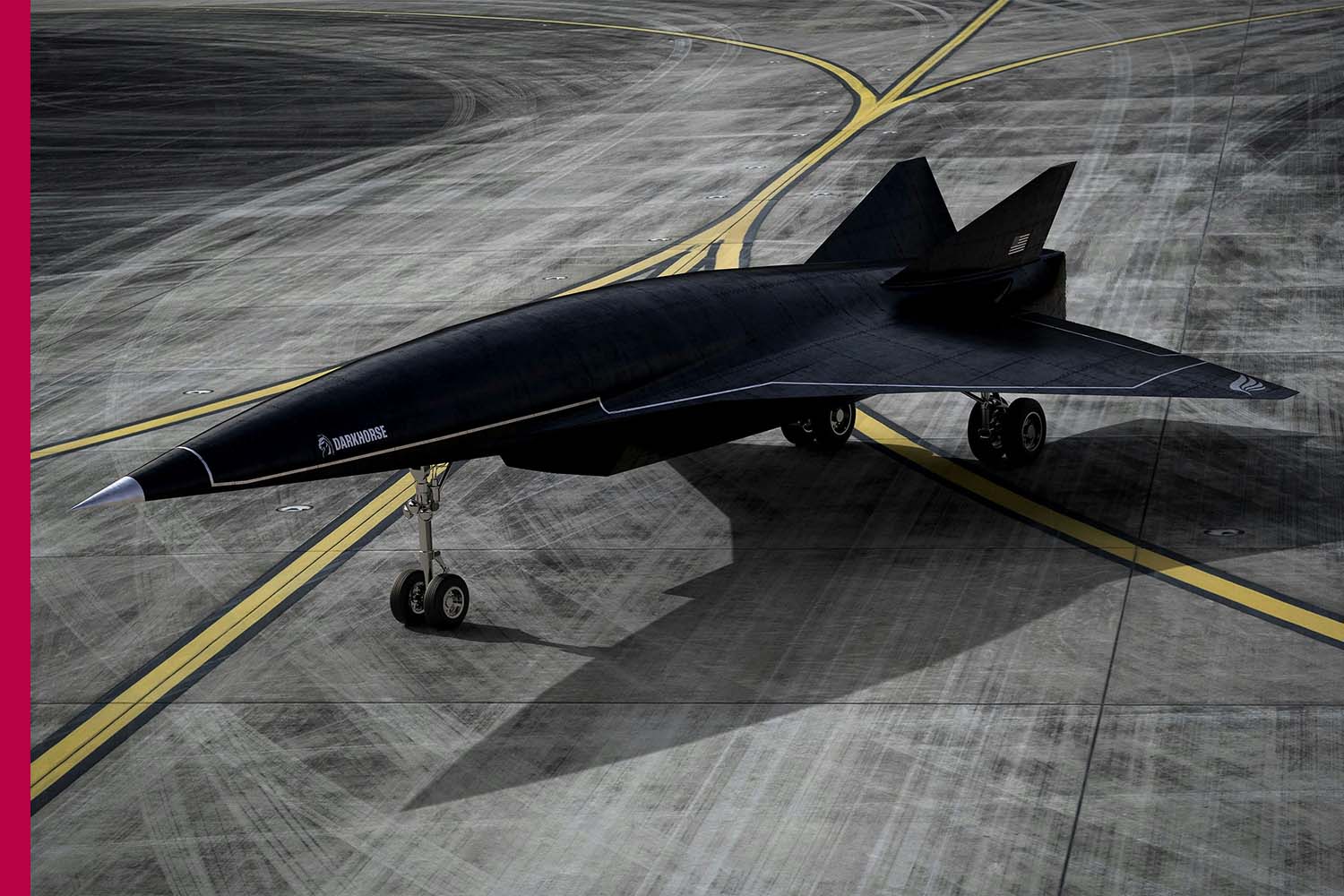
Military flight technology has also driven significant innovation. Fighter jets, helicopters, and unmanned aerial vehicles incorporate advanced materials, stealth capabilities, and high-performance engines. Technologies developed for defense often influence civilian aviation, leading to improvements in navigation, materials, and safety systems.
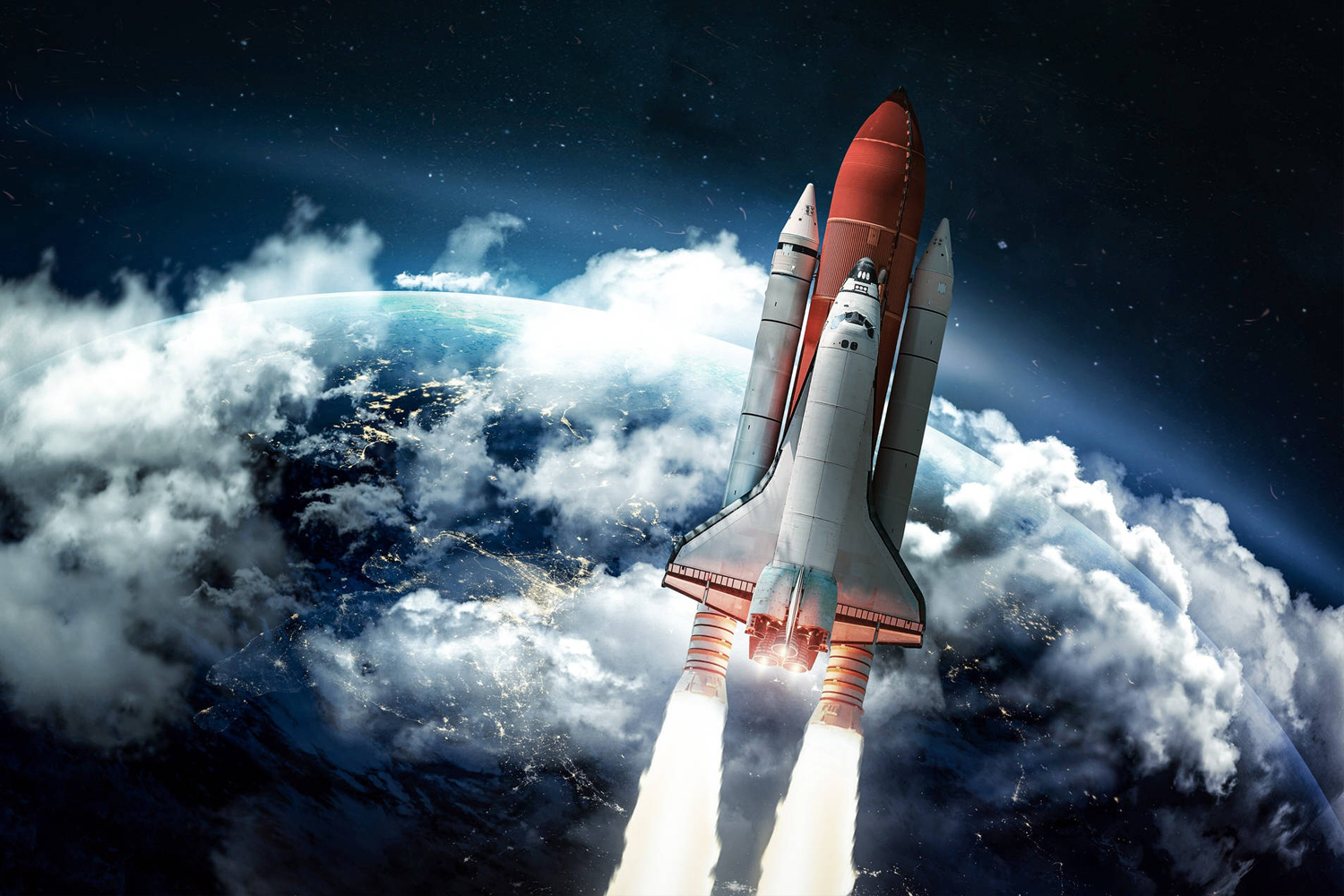
Beyond Earth’s atmosphere, flight technology extends into aerospace and space exploration. Rockets, space shuttles, and reusable launch vehicles demonstrate how principles of flight adapt to extreme environments. These technologies enable satellite deployment, space research, and future missions to the Moon and Mars. The boundary between aviation and space technology continues to blur as new concepts emerge.
Digital technology has further transformed aviation. Computer simulations, artificial intelligence, and real-time data analysis enhance aircraft design, maintenance, and air traffic management. Pilots now rely on advanced cockpit displays that provide precise information, improving situational awareness and decision-making.
In conclusion, flight technology symbolizes human ambition and ingenuity. It has reshaped how people travel, trade, and explore, shrinking distances and expanding possibilities. As innovation continues, the future of flight promises safer, cleaner, and more efficient ways to soar through the skies and beyond.