




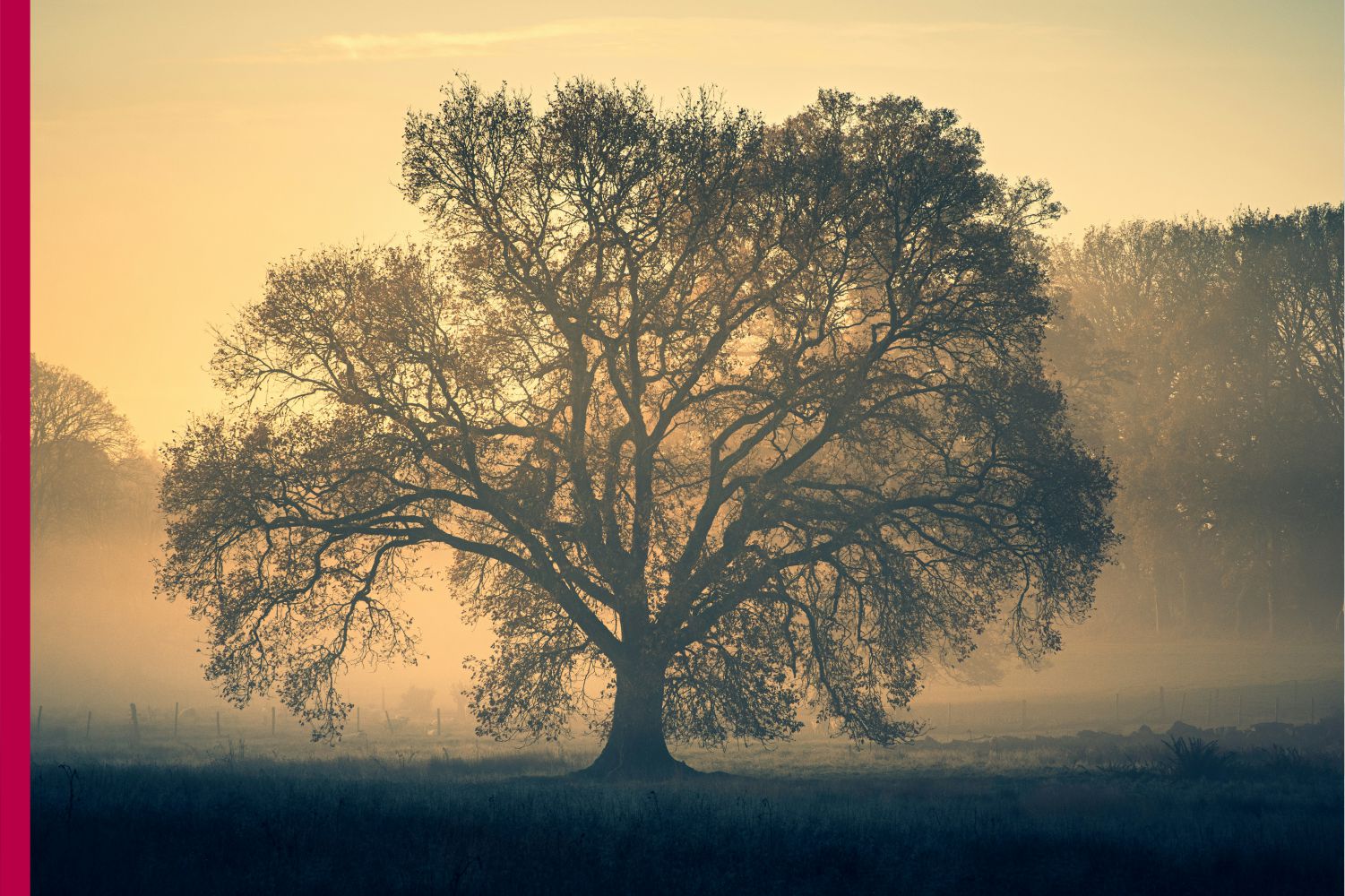
The old oak tree stands as a silent witness to centuries of change, rooted firmly in the earth while generations come and go. With its wide, spreading branches and deeply grooved bark, it represents strength, endurance, and wisdom. Across cultures and landscapes, the oak has long been admired not just as a tree, but as a powerful symbol of life, resilience, and connection between nature and humanity.
An old oak tree often becomes the heart of its surroundings. Its massive canopy provides shelter to birds, insects, and small animals, creating a thriving ecosystem within its branches and roots. Squirrels store acorns in its hollows, birds nest safely among its leaves, and countless insects depend on it for survival. Beneath the soil, the oak’s extensive root system stabilizes the ground, prevents erosion, and supports microorganisms that enrich the earth. In this way, the old oak is not just a single organism but a living community.
Time leaves visible marks on an oak tree. Knots, scars, and twisted limbs tell stories of storms survived, seasons endured, and years passed. Some oak trees live for several hundred years, standing strong through wars, changing climates, and evolving landscapes. These trees have witnessed human history unfold—villages rise, roads form, and civilizations transform—yet they remain calm and rooted, unaffected by the rush of time.

The old oak tree also holds deep cultural and emotional significance. In many traditions, oaks are associated with strength, protection, and wisdom. Ancient civilizations considered oak trees sacred, often gathering beneath them for meetings, ceremonies, or moments of reflection. In folklore, the oak is seen as a guardian of the land, offering protection and stability. Even today, people feel a sense of peace when standing beneath an old oak, as if the tree’s quiet presence offers comfort and grounding.
Beyond symbolism, old oak trees play an important role in environmental health. They absorb carbon dioxide, release oxygen, and help regulate local climates by providing shade and cooling the air. Their fallen leaves enrich the soil, supporting plant growth and maintaining ecological balance. In an age of rapid deforestation and urban expansion, preserving ancient oak trees has become increasingly important for biodiversity and environmental sustainability.
Old oak trees often become landmarks in communities. They serve as meeting points, childhood play areas, or quiet spaces for rest and reflection. Many people form personal connections with these trees, remembering moments spent beneath their branches—reading, talking, or simply enjoying the shade. These memories strengthen the bond between humans and nature, reminding us of our shared history with the natural world.
In a fast-paced modern world, the old oak tree teaches us the value of patience and resilience. It grows slowly, strengthens over time, and stands firm against adversity. Its presence encourages us to slow down, respect nature, and appreciate the beauty of things that endure. The old oak tree is not just a part of the landscape it is a living symbol of time, strength, and the enduring spirit of nature.