




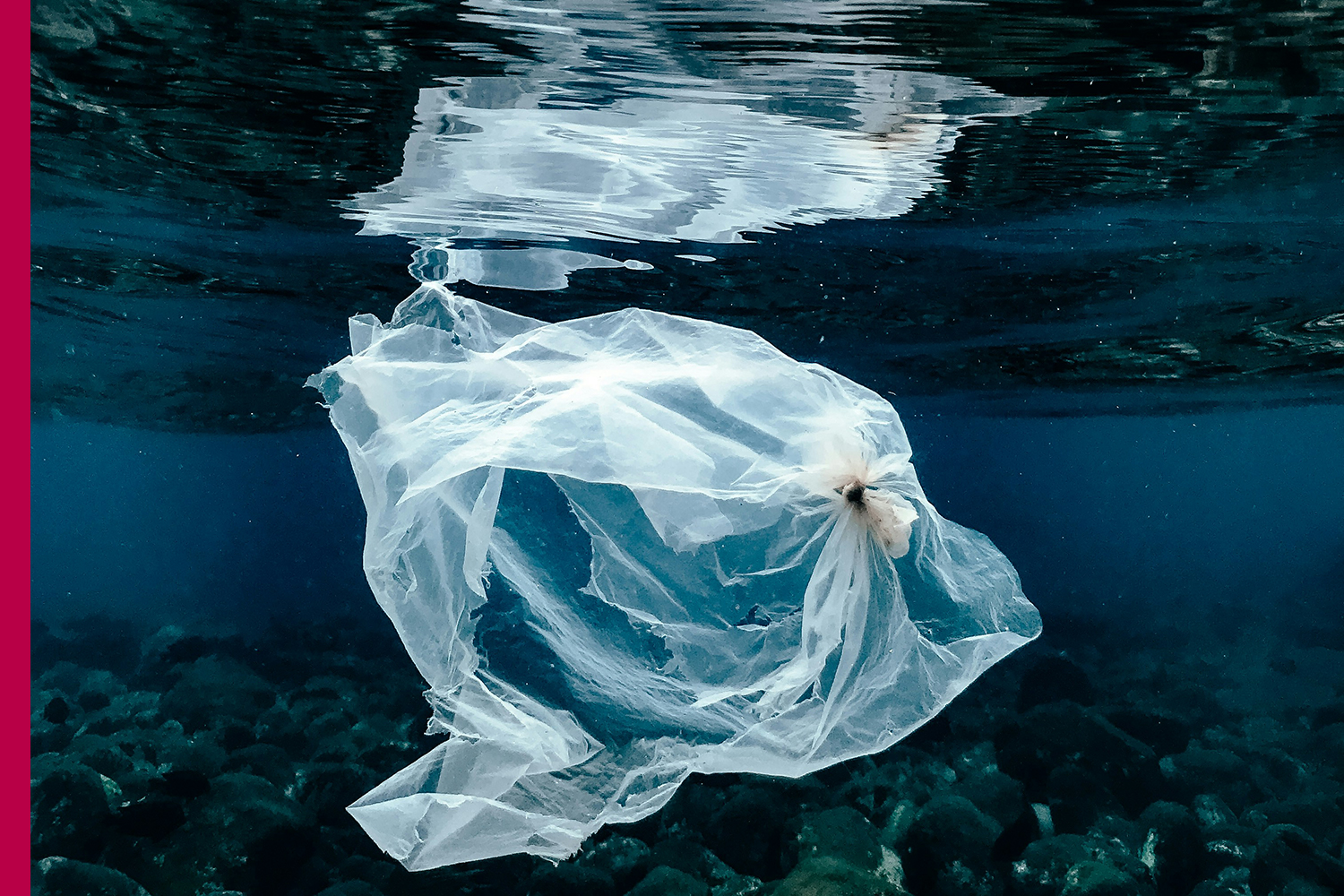
Plastics have become an inseparable part of modern life, used in everything from packaging and household items to medical tools and technology. While their durability, versatility, and low cost make them incredibly useful, these same qualities create long-term environmental challenges. Over the years, the widespread use of plastics has led to significant ecological consequences, making plastic pollution one of the most urgent global issues today.
The impact of plastics on marine ecosystems is especially alarming. Millions of tons of plastic waste end up in oceans every year, harming fish, turtles, seabirds, and other marine animals. Creatures often mistake plastic for food, leading to internal blockages, starvation, and poisoning from toxic chemicals. Floating plastic debris also damages coral reefs and disrupts natural habitats. The Great Pacific Garbage Patch, a massive collection of plastic waste floating between Hawaii and California, is a stark reminder of how serious the problem has become.
On land, plastic pollution affects soil quality, water drainage systems, and agricultural productivity. When plastics accumulate in fields or water bodies, they can block sunlight, reduce soil fertility, and disturb the natural balance of ecosystems. In urban areas, plastic waste clogs drainage systems, leading to flooding and other public health issues. Burning plastic, a common waste disposal practice in some regions, releases harmful chemicals and toxic fumes into the air, contributing to air pollution and respiratory problems.
The production of plastics also plays a significant role in environmental degradation. Most plastics are made from fossil fuels such as oil and natural gas. Extracting and processing these materials release large amounts of greenhouse gases, contributing to global warming and climate change. As the demand for plastic products continues to grow, so does the carbon footprint associated with their production and disposal.
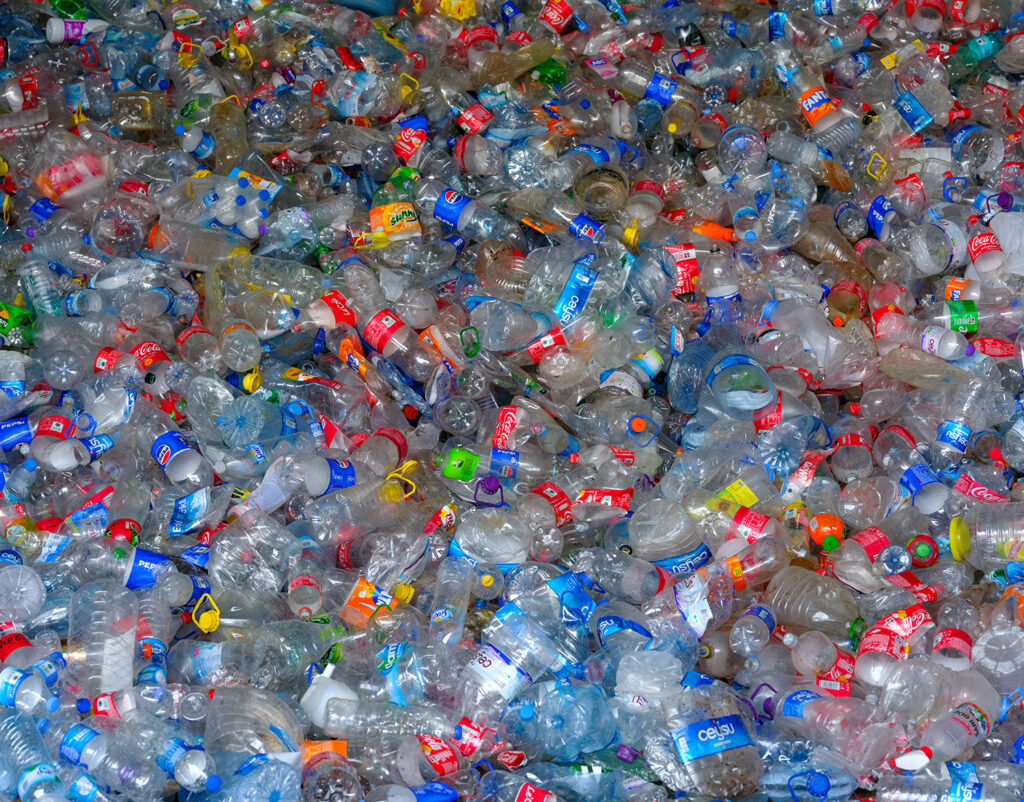
Fortunately, awareness about plastic pollution is increasing worldwide, and many countries, organizations, and individuals are taking steps to reduce its impact. Measures such as banning single-use plastics, promoting recycling, and encouraging eco-friendly alternatives are gaining momentum. Biodegradable materials, compostable packaging, and reusable products are slowly replacing traditional plastics in various industries. Additionally, educational campaigns and community clean-up drives are inspiring people to adopt more sustainable habits.
However, tackling plastic pollution requires collective effort and long-term commitment. Governments need strong policies, industries must innovate responsibly, and individuals should practice mindful consumption. Simple actions such as refusing plastic bags, carrying reusable bottles, and properly segregating waste—can make a significant difference when adopted on a large scale.
Plastics have shaped modern convenience, but their environmental impact is undeniable. By rethinking our relationship with plastic and making conscious choices, we can protect our planet for future generations and work toward a cleaner, healthier, and more sustainable world.