




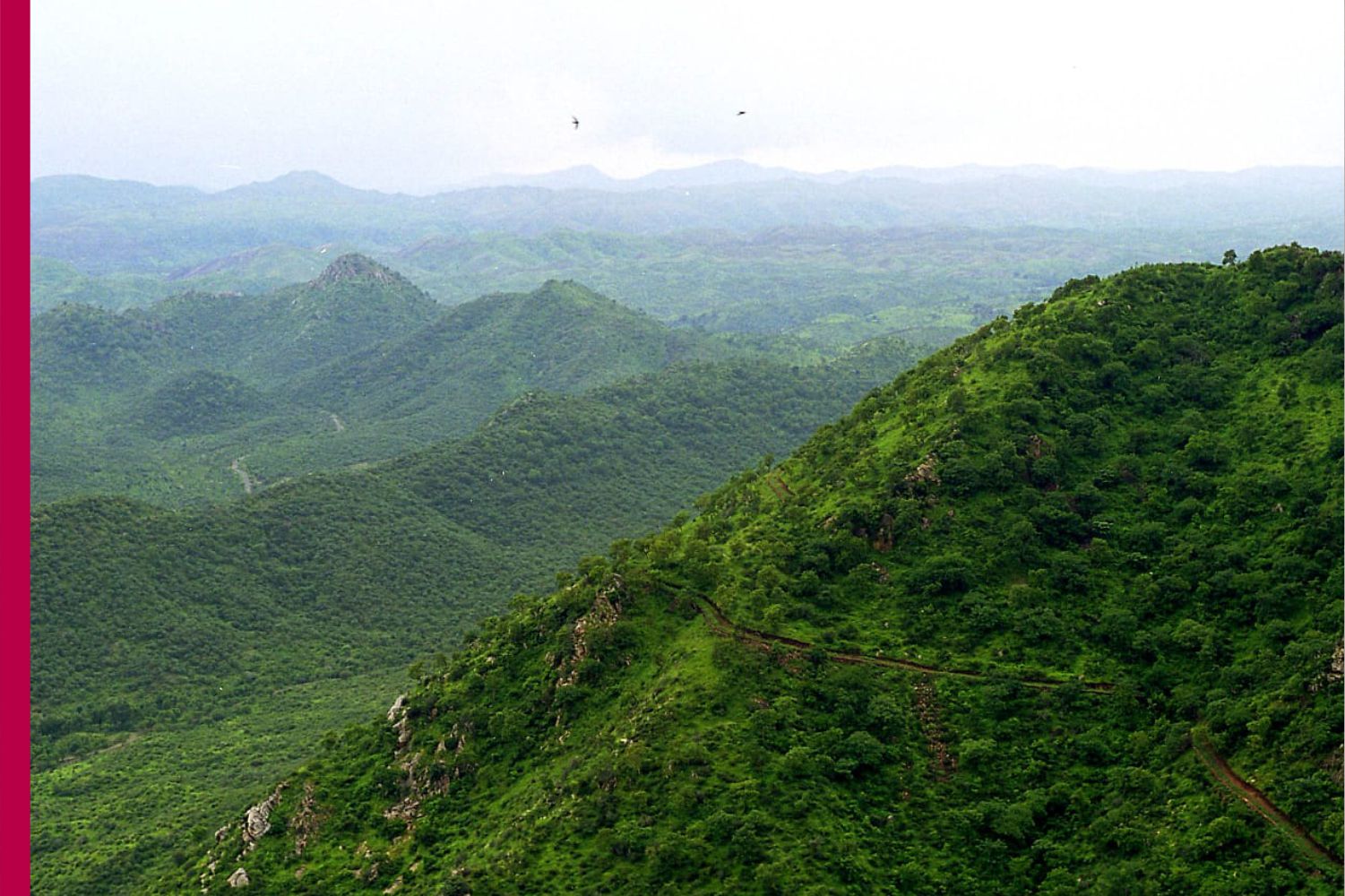
The Aravalli Range is one of the oldest mountain systems in the world and stands as a silent guardian of India’s ecological balance. Stretching across Rajasthan, Haryana, Delhi, and Gujarat, the Aravallis play a crucial role in protecting northern India from desertification. Acting as a natural barrier against the expansion of the Thar Desert, these hills regulate climate patterns, support biodiversity, and help recharge vital groundwater resources that millions of people depend on.
For centuries, the Aravallis have sustained forests, wildlife, and human settlements. The vegetation in this region helps absorb carbon dioxide, improve air quality, and moderate extreme temperatures. The hills also influence rainfall patterns and act as a natural water storage system by allowing rainwater to percolate into the ground. This underground recharge supports rivers, lakes, and wells in surrounding regions, making the Aravallis essential for water security.
However, in recent decades, the Aravalli ecosystem has faced severe destruction. Rapid urbanization, illegal mining, deforestation, industrial expansion, and infrastructure projects have caused irreversible damage. Forest cover has been reduced drastically, exposing the land to erosion and loss of fertility. Illegal mining has scarred the hills, disrupted natural water channels, and released dust and pollutants into the air. As a result, nearby cities such as Delhi, Gurugram, and Faridabad are experiencing rising temperatures, declining air quality, and worsening water shortages.
The environmental consequences of damaging the Aravallis extend far beyond the hills themselves. The loss of green cover has contributed to frequent heatwaves, reduced rainfall, and increased air pollution levels. The Aravallis once acted as a carbon sink and dust barrier, but their degradation has weakened this natural defense. Wildlife habitats have also been destroyed, pushing many plant and animal species toward extinction and disturbing the delicate balance of the ecosystem.
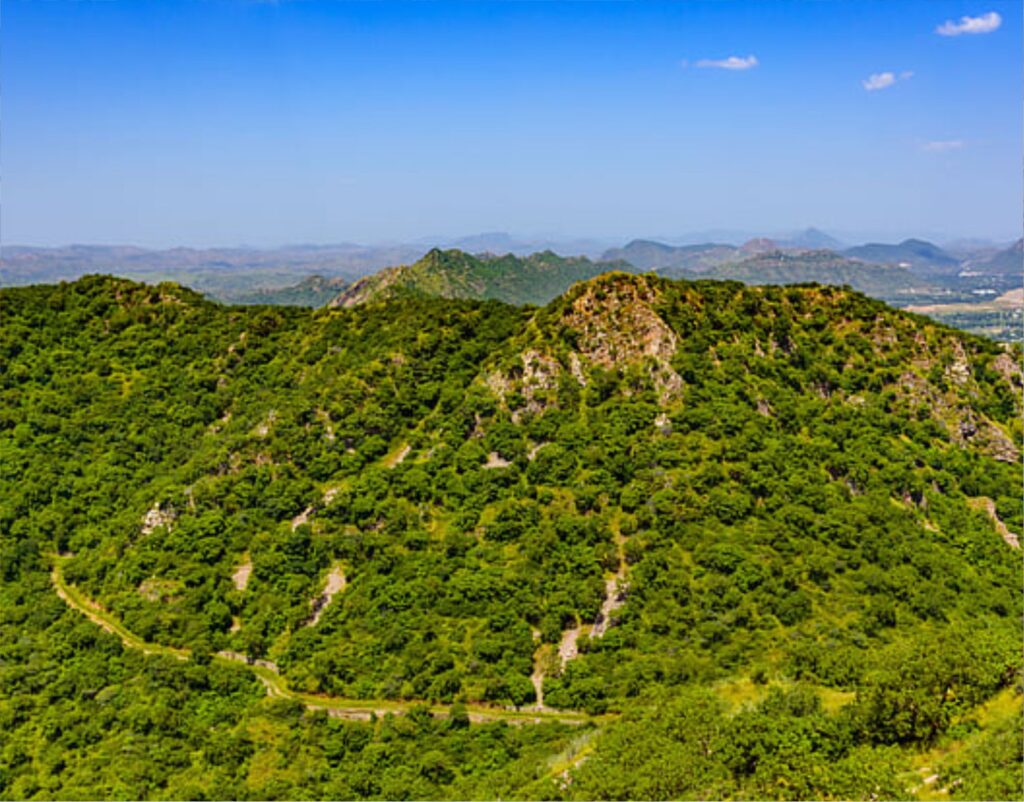
Saving the Aravallis is not just an environmental issue; it is a social and economic necessity. A degraded ecosystem directly affects human health, agriculture, and livelihoods. Protecting these ancient hills can help combat climate change, improve air and water quality, and ensure long-term sustainability for rapidly growing urban regions.
The responsibility to save the Aravallis lies with everyone. Governments must enforce strict environmental laws, stop illegal mining, and regulate construction activities. Reforestation and afforestation programs using native plant species are essential to restore ecological balance. Industries must adopt sustainable practices and reduce environmental impact, while urban planning should respect natural landscapes rather than destroy them.
Citizens also play a vital role. Public awareness, community participation, and responsible consumption can make a significant difference. Supporting environmental movements, questioning harmful development, and promoting green initiatives help protect this fragile ecosystem.
In conclusion, saving the Aravalli Range is a commitment to preserving India’s natural heritage and securing a healthier future. These ancient hills have protected the land for thousands of years. Now, it is our responsibility to protect them, ensuring environmental balance, climate resilience, and sustainability for generations to come.