




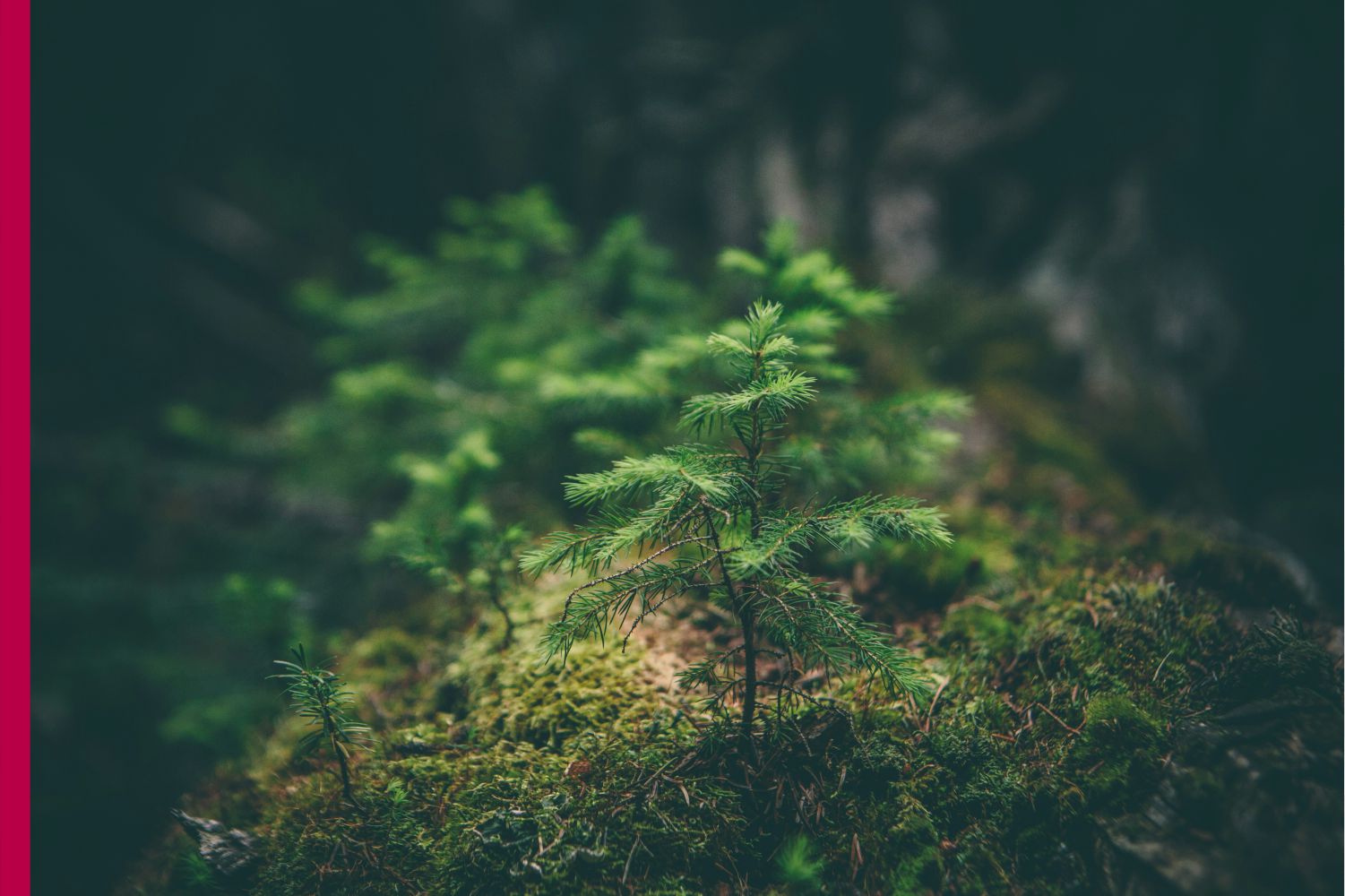
A green environment is essential for the survival and well-being of all living beings on Earth. It represents a healthy balance between nature and human activity, where forests thrive, air and water remain clean, and ecosystems function naturally. As the world faces increasing environmental challenges such as climate change, pollution, and resource depletion, the importance of protecting and promoting a green environment has never been greater.
A green environment plays a vital role in maintaining ecological balance. Trees and plants absorb carbon dioxide and release oxygen, helping regulate the Earth’s climate and improve air quality. Forests act as natural carbon sinks, reducing the impact of global warming while providing habitats for countless species. Wetlands, rivers, and oceans support biodiversity, filter pollutants, and maintain water cycles that are essential for agriculture and human life.
Human health is closely connected to environmental health. Clean air reduces respiratory diseases, while access to green spaces lowers stress and improves mental well-being. Natural environments encourage physical activity, reduce noise pollution, and create a sense of calm in busy urban areas. Studies show that communities with more greenery experience better overall health and a higher quality of life. A green environment is not just about protecting nature it is about creating healthier living conditions for people.
Urbanization and industrial growth have significantly impacted the environment. Deforestation, excessive use of fossil fuels, plastic pollution, and unsustainable consumption patterns have caused long-term damage to natural ecosystems. However, the concept of a green environment encourages sustainable development—meeting human needs without harming future generations. This includes using renewable energy sources like solar and wind power, promoting eco-friendly transportation, and reducing waste through recycling and reuse.

Sustainability also begins with individual actions. Simple habits such as conserving water, reducing electricity consumption, planting trees, and avoiding single-use plastics contribute to environmental protection. Choosing sustainable products, supporting eco-conscious brands, and minimizing waste can collectively create a positive impact. When individuals take responsibility for their environmental footprint, they become active contributors to a greener planet.
Governments and organizations play a crucial role in fostering a green environment. Policies that support afforestation, wildlife conservation, pollution control, and clean energy development help protect natural resources on a larger scale. Green initiatives like smart cities, green buildings, and sustainable agriculture practices are reshaping how societies interact with nature. Education and awareness programs further empower communities to understand environmental issues and take meaningful action.
A green environment also ensures the preservation of biodiversity. Every species, from the smallest insect to the largest mammal, plays a role in maintaining ecosystem stability. Protecting natural habitats prevents species extinction and safeguards genetic diversity, which is essential for ecological resilience. Biodiversity loss not only threatens wildlife but also affects food security, medicine, and climate stability.
In conclusion, a green environment is the foundation of a sustainable and harmonious future. Protecting nature is not a choice but a responsibility shared by individuals, communities, and nations. By adopting sustainable practices and respecting the natural world, humanity can ensure that future generations inherit a planet that is healthy, vibrant, and full of life.