




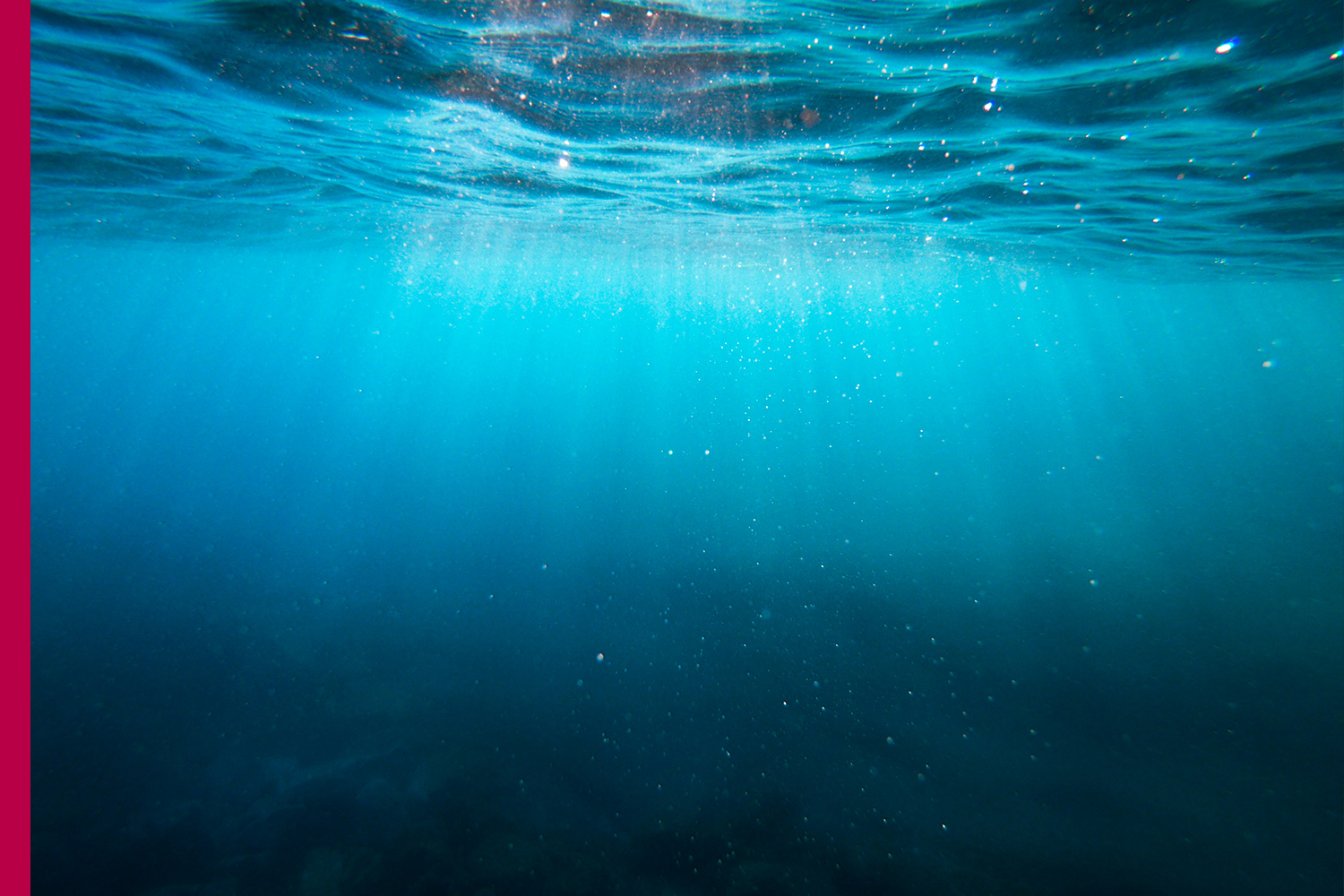
The ocean covers more than 70% of our planet, yet most of it remains unexplored. While beaches and shallow waters are familiar to us, the deep down ocean is a completely different world dark, silent, and full of mysteries. Scientists believe that we have explored less than 5% of the ocean, making the deep sea one of the most unknown places on Earth. Beneath the waves lies an incredible universe filled with rare species, breathtaking landscapes, and secrets waiting to be discovered.
As we descend into the deep ocean, sunlight begins to fade. Within the first 200 meters, the bright blue glow slowly disappears. Eventually, after around 1,000 meters, complete darkness takes over. This region, known as the “midnight zone,” is home to unusual organisms that can survive harsh conditions—freezing temperatures, crushing pressure, and zero light. Many of these creatures produce their own light through bioluminescence. Jellyfish, anglerfish, and certain squid glow with neon colors to hunt prey, defend themselves, or communicate. This natural light show is one of the most stunning wonders of the ocean.
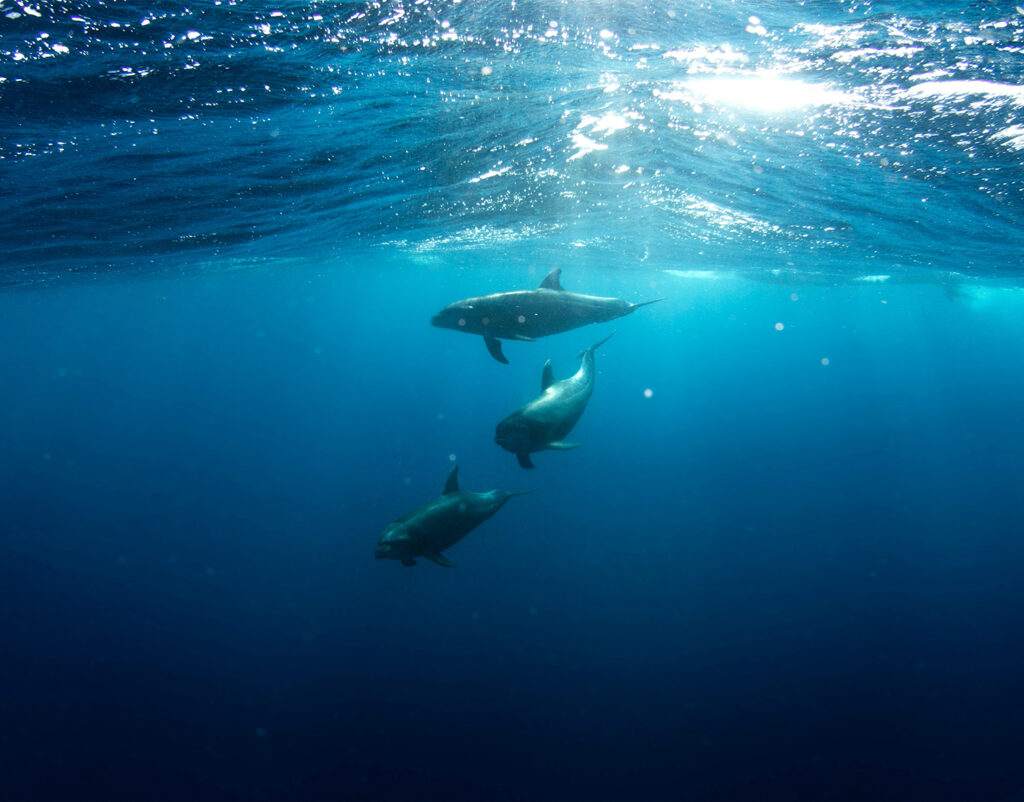
Go even deeper, and the pressure increases to levels that would instantly crush a human or submarine not built for extreme depth. Yet life continues to flourish. Some of the most surprising discoveries have come from the deepest parts of the ocean, including the Mariana Trench, which reaches nearly 11,000 meters. In these trenches, scientists have found resilient creatures like giant amphipods, snailfish, and microorganisms unlike anything seen before. These species have adapted to conditions that seem impossible for life to survive, proving that nature is more resilient than we ever imagined.
The deep ocean also contains dramatic landscapes that rival those on land. There are underwater mountain ranges, volcanoes, trenches, and vast plains. Hydrothermal vents—cracks in the ocean floor that release hot, mineral-rich water are especially fascinating. Around these vents, entire ecosystems thrive without sunlight, relying on chemical energy instead of photosynthesis. This discovery challenged our traditional understanding of life and raised questions about the possibility of life on other planets.
Even though the deep ocean is full of wonders, it is also vulnerable. Human activities such as deep-sea mining, pollution, and overfishing threaten fragile underwater ecosystems. Plastic waste is one of the biggest problems researchers have found plastic even in the deepest trenches. Since many deep-sea species grow slowly and reproduce rarely, damage done to these ecosystems can take centuries to heal. Protecting the ocean is not only vital for marine life but also for humans, as the ocean regulates climate and produces more than half of the oxygen we breathe.
The deep down ocean reminds us that our planet is far more mysterious than we realize. Every expedition reveals new species, new landscapes, and new scientific insights. Exploring the deep sea expands our understanding of life, evolution, and Earth’s history. As technology advances, we will continue to dive deeper and uncover more secrets hidden beneath the waves. The ocean may seem distant, but it is a crucial part of our world one that deserves curiosity, respect, and protection.