


The current global economy is at a fascinating crossroads a blend of recovery, innovation, and uncertainty. Over the past few years, the world has experienced dramatic economic changes driven by the pandemic, geopolitical conflicts, inflation, and rapid technological advancement. As nations strive to balance growth with sustainability, the global economic landscape continues to evolve, shaping how businesses operate and how people live and work.
After the disruption caused by the COVID-19 pandemic, many countries entered a period of economic recovery. Governments implemented stimulus packages, central banks adjusted interest rates, and industries adapted to new consumer behaviors. However, the road to stability has not been smooth. Supply chain disruptions, energy shortages, and the ongoing impact of conflicts such as the Russia-Ukraine war have added layers of complexity to the global economic system. These factors have led to fluctuating commodity prices and inflationary pressures that affect both developing and developed economies.
Inflation has become one of the most pressing global concerns. Rising food, energy, and housing costs have strained household budgets and challenged policymakers worldwide. Central banks, including the U.S. Federal Reserve and the European Central Bank, have raised interest rates to control inflation, which in turn affects borrowing, investment, and employment rates. While these measures aim to stabilize economies, they also slow down growth, creating a delicate balancing act for governments and financial institutions.
Meanwhile, technology and innovation are reshaping the global economy faster than ever before. The digital revolution driven by artificial intelligence, automation, and renewable energy — is transforming industries and labor markets. Businesses are investing heavily in digital infrastructure and sustainable solutions to remain competitive in a rapidly changing world. The rise of remote work, e-commerce, and fintech has redefined how economies function, making digital literacy and adaptability essential for future growth.
The energy sector has also seen major transformations. The global push toward renewable energy sources such as solar, wind, and hydrogen reflects a growing awareness of climate change and the need for sustainable development. However, the transition to clean energy poses both challenges and opportunities, especially for countries dependent on fossil fuels. As new technologies emerge, energy independence and green innovation are becoming central themes in global economic policy.
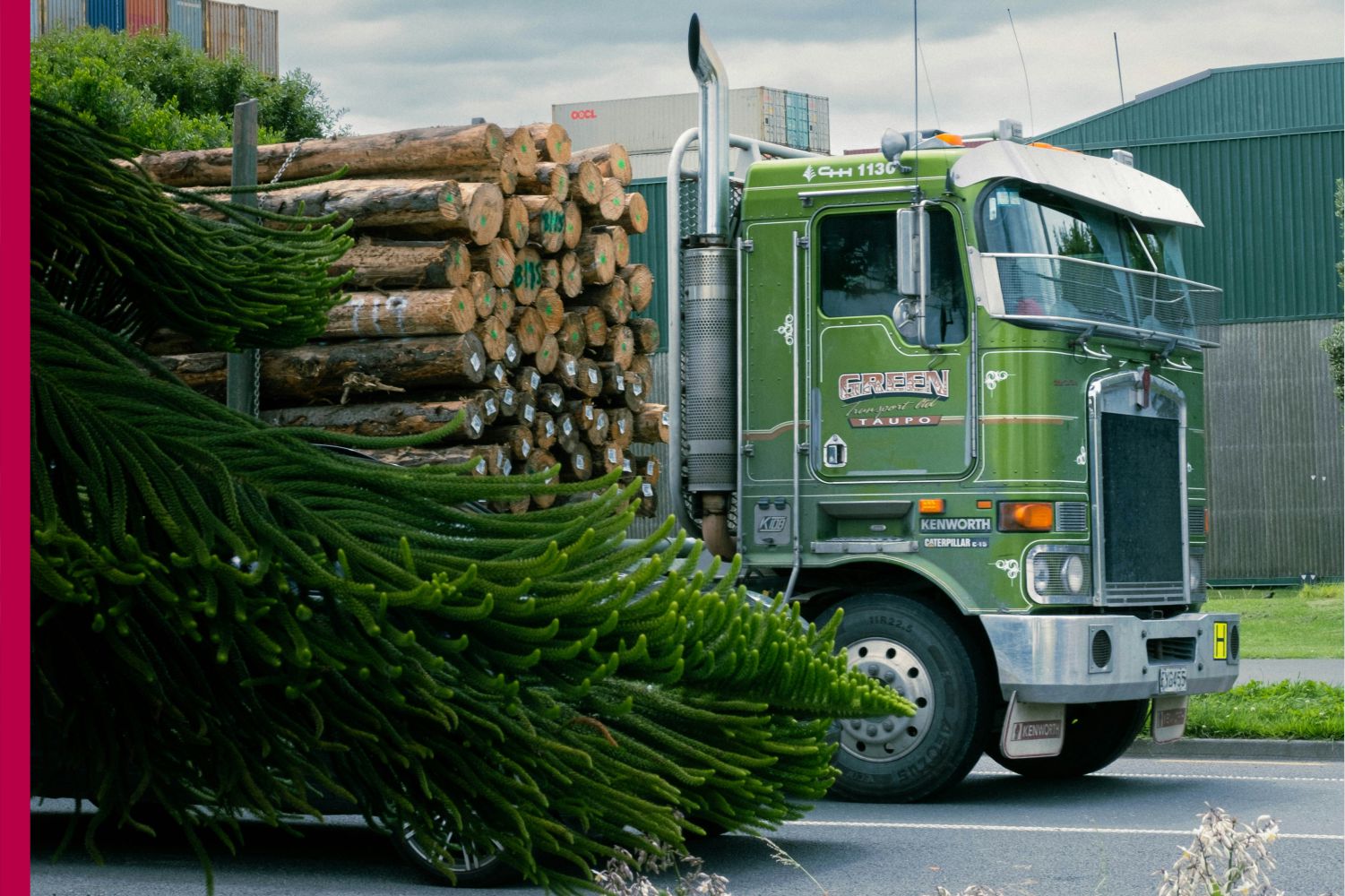
Global trade continues to be a key driver of economic growth, but it is also facing new realities. Shifts in supply chains, trade tensions between major economies like the U.S. and China, and regional alliances are redefining how goods and services move across borders. Many countries are now focusing on economic self-reliance and local manufacturing to reduce vulnerability to external shocks.
Global trade continues to be a key driver of economic growth, but it is also facing new realities. Shifts in supply chains, trade tensions between major economies like the U.S. and China, and regional alliances are redefining how goods and services move across borders. Many countries are now focusing on economic self-reliance and local manufacturing to reduce vulnerability to external shocks.
In conclusion, the current global economy reflects a world in transition navigating inflation, technological disruption, and environmental challenges while seeking stability and progress. Though uncertainties remain, innovation and global cooperation offer a path forward. The economies that embrace adaptability, sustainability, and digital transformation will lead the next chapter of global growth and prosperity.