




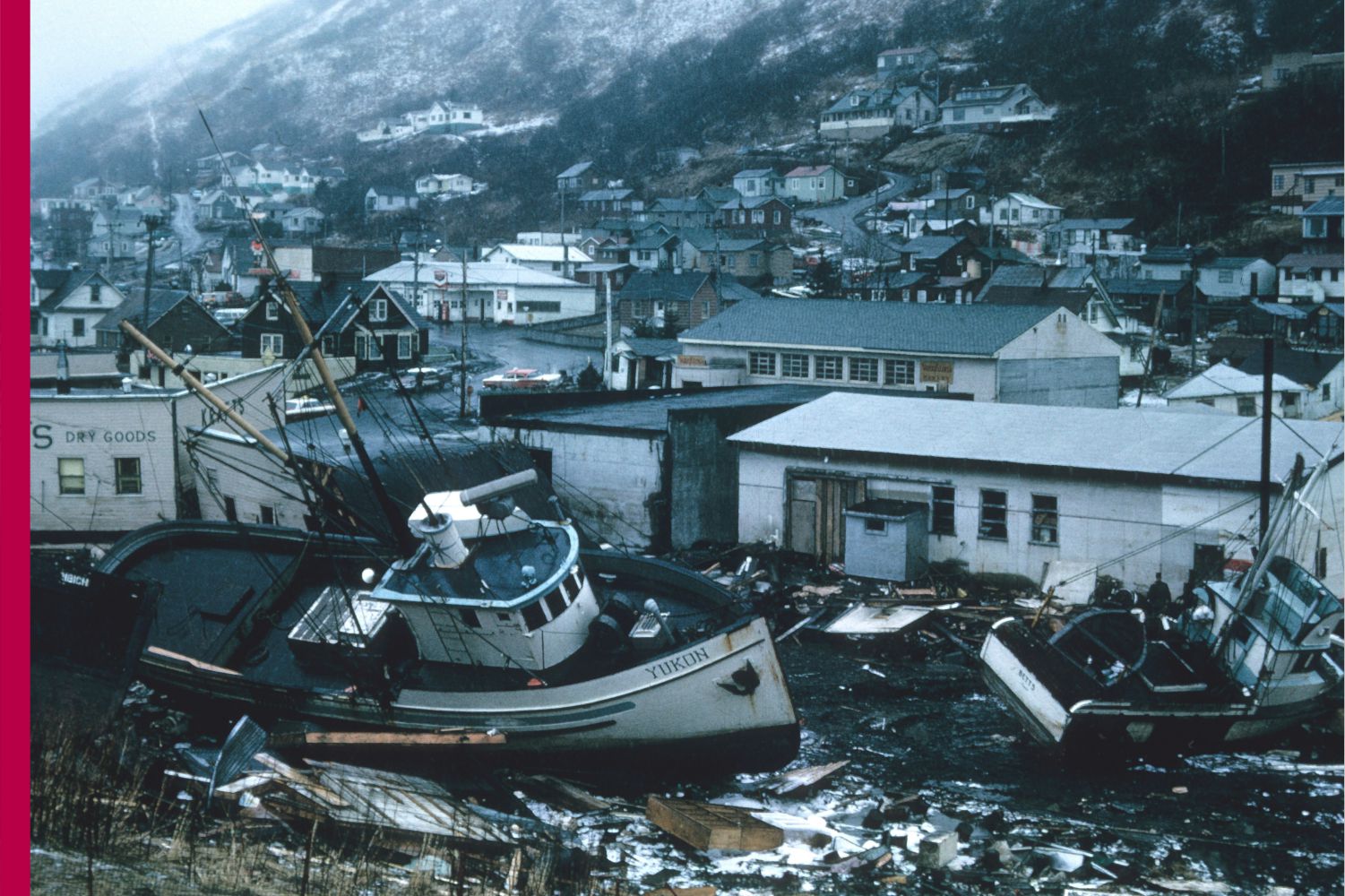
A tsunami is one of the most destructive natural disasters on Earth, capable of transforming peaceful coastlines into scenes of devastation within minutes. Unlike ordinary ocean waves formed by wind, tsunamis are massive, fast-moving waves generated by powerful geological events beneath the sea. Their sudden appearance and overwhelming force make them both fascinating and frightening, highlighting the immense power of nature.
Tsunamis are typically caused by underwater earthquakes, especially when tectonic plates shift abruptly and displace huge volumes of water. Other causes include volcanic eruptions, underwater landslides, and even rare events like meteor impacts. When the ocean floor moves suddenly, it sends energy through the water in all directions, creating waves that may travel across entire oceans. In deep waters, these waves are barely noticeable, often only a few feet high, but they travel at speeds comparable to a jet plane—up to 800 kilometers per hour.
The real danger begins when the tsunami approaches shallow coastal waters. As the waves slow down near the shore, their energy compresses, causing the height of the wave to increase dramatically. What was once a small ripple in the deep ocean can turn into a towering wall of water. Unlike typical waves that crash and retreat, tsunami waves surge forward with immense force, flooding everything in their path. This makes them capable of uprooting trees, destroying buildings, and sweeping away vehicles and people.
One of the most frightening aspects of tsunamis is how little warning there may be. In some cases, the ocean may suddenly recede, exposing the sea floor, which can serve as a natural warning sign. However, this happens only minutes before impact. To increase safety, many countries located near tectonic boundaries have established tsunami early warning systems. These systems detect unusual seismic activity and changes in sea levels, allowing authorities to alert the public and evacuate coastal areas in time.

History has witnessed several catastrophic tsunamis, such as the 2004 Indian Ocean tsunami, which claimed hundreds of thousands of lives across multiple countries. These events serve as painful reminders of the need for preparedness and awareness. Modern technology, improved monitoring networks, and international cooperation have significantly increased our ability to predict tsunamis and reduce their impact. However, natural forces cannot be completely controlled, making education and readiness essential.
Beyond destruction, tsunamis have long-term effects on communities and ecosystems. Flooding leads to contamination of freshwater sources, loss of crops, and destruction of infrastructure. Rebuilding after a tsunami can take years, requiring collective efforts from governments, relief organizations, and local communities. Nature also suffers as coastal habitats, coral reefs, and marine environments are disrupted by the sudden force of the waves.
Despite their destructive power, tsunamis also teach us valuable lessons about resilience, scientific advancement, and the importance of respecting natural forces. As coastal populations continue to grow, understanding tsunamis becomes even more important. By investing in research, strengthening early warning systems, and spreading awareness, communities can be better prepared to face these natural disasters.
Tsunamis remain one of Earth’s most dramatic expressions of geological activity. While their sudden arrival and immense strength can be terrifying, knowledge and preparedness help minimize risks and protect lives. Nature’s power is undeniable, and learning to coexist with it is one of humanity’s greatest challenges and responsibilities.