




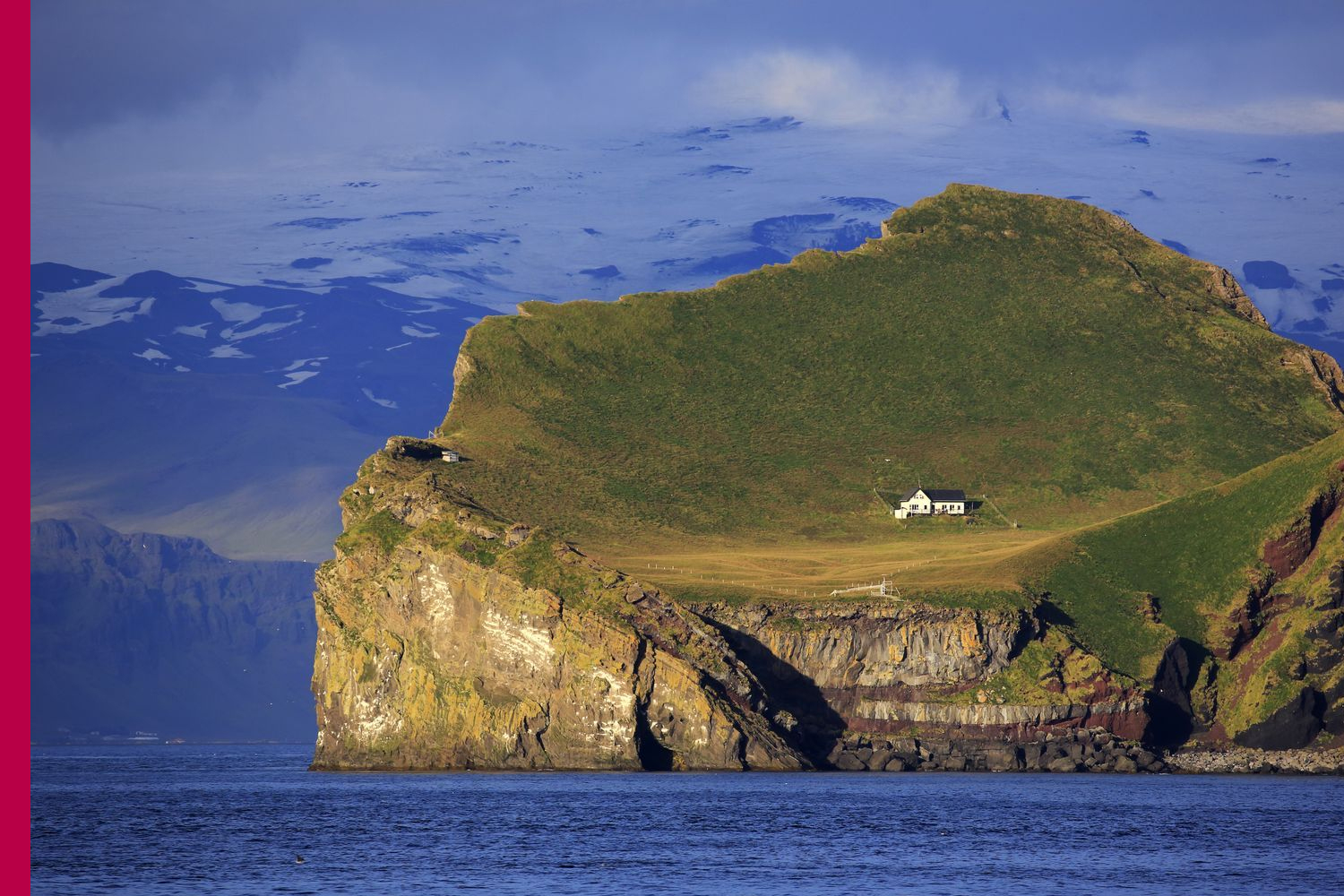
In a world filled with constant noise, movement, and connection, the idea of a home sitting completely alone—surrounded by endless nature and untouched landscapes captures the human imagination. Often called “the loneliest home in the world,” this concept refers to a solitary house placed far away from towns, neighbors, and civilization. Whether perched on a remote island, nestled deep within mountains, or standing on a vast plain, such homes evoke curiosity, awe, and even a sense of calm. They remind us of the delicate balance between solitude and survival, isolation and independence.
One of the most famous images associated with this idea is the tiny white house on Elliðaey Island in Iceland. Sitting on a green, windswept island in the middle of the wide Atlantic Ocean, the home appears completely alone, surrounded only by steep cliffs and crashing waves. Although the house sparks countless stories—some claim it is a bunker, a survivalist’s retreat, or a secret hideaway—the reality is simpler. It was built as a shelter for local hunters. But its appearance remains deeply symbolic: a single structure against nature’s vastness.
Homes like this fascinate people because they challenge our understanding of comfort and community. Most of us are used to living in connected environments filled with roads, buildings, shops, and technology. The loneliest home, however, strips away all external noise. It represents absolute quiet, stillness, and space—something incredibly rare today. For some, this isolation seems peaceful, even healing. For others, it feels haunting, reminding us how small we truly are compared to nature.
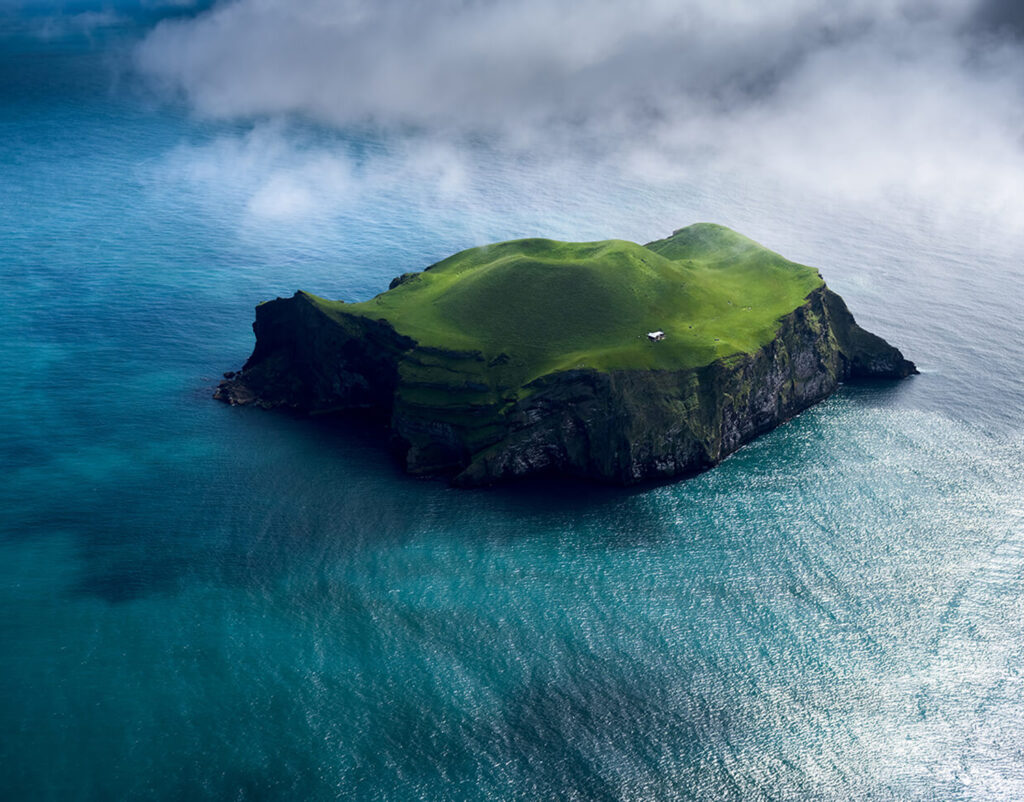
These remote homes also highlight human resilience. Living far away from civilization requires strength, preparation, and adaptability. There are no nearby stores, emergency services, or neighbors to help. Life becomes deeply intertwined with nature—weather patterns, seasons, and landscapes determine daily routines. This lifestyle reveals the ancient bond between humans and the environment, a relationship often lost in modern times.
The loneliest homes also carry cultural and emotional significance. They inspire stories of escape—of people seeking freedom from stress, chaos, or societal pressures. They represent a dream many people secretly hold: the idea of leaving everything behind and starting fresh in a place untouched by noise or expectations. In movies and literature, such homes often symbolize personal transformation or deep introspection, where characters find clarity away from the world.
At the same time, these homes raise questions about loneliness. While solitude can be peaceful, prolonged isolation can be challenging. Without community and connection, life can feel heavy. The loneliest home prompts us to reflect on what truly matters—companionship, purpose, and emotional balance.
In the end, the world’s loneliest home is more than just a building. It is an idea—a poetic blend of beauty, isolation, freedom, and vulnerability. It reminds us of the power of nature, the value of human connection, and the timeless desire to seek meaning in quiet places. Whether we view it as a dream or a warning, the loneliest home continues to capture hearts and imagination, standing alone as a powerful symbol of solitude in a crowded world.