




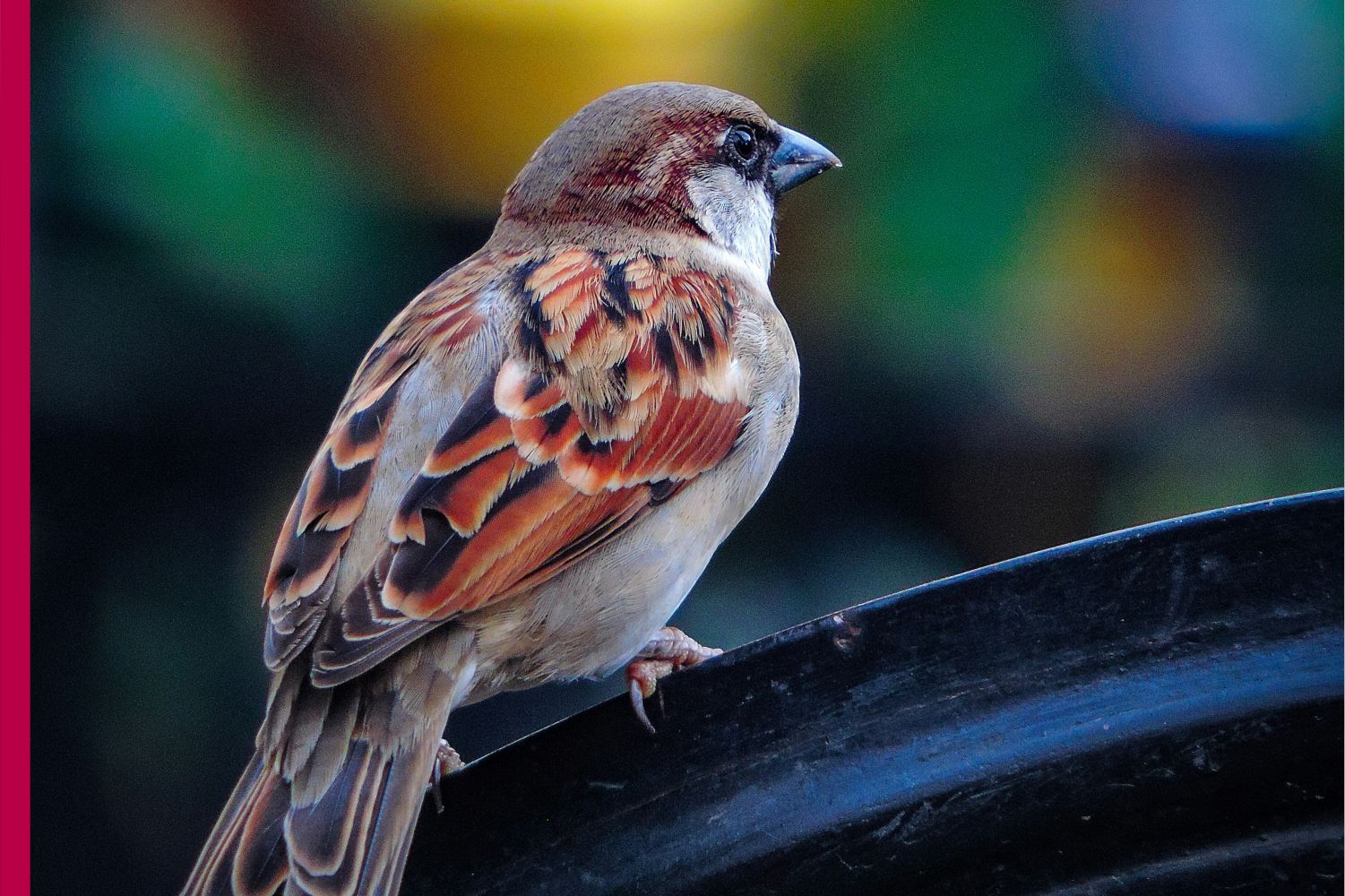
The sparrow bird is one of the most familiar and beloved birds across the world. Small in size, quick in movement, and gentle in nature, sparrows have lived alongside humans for centuries. Their cheerful chirping and constant activity make them a symbol of simplicity and everyday life. Although often overlooked because of their common presence, sparrows play an important role in both the ecosystem and cultural traditions.
Sparrows are found in almost every part of the world, especially in urban and rural areas where human settlements exist. They adapt easily to different environments, building nests in rooftops, trees, wall crevices, and even streetlights. This close association with people has earned them the name “house sparrows” in many regions. Their ability to survive near humans shows their resilience and intelligence, as they make use of available food and shelter.
In terms of diet, sparrows are omnivorous birds. They primarily feed on grains, seeds, and small insects. By consuming insects, sparrows help control pest populations, making them beneficial to agriculture and gardens. Their feeding habits also contribute to seed dispersal, supporting plant growth and ecological balance. Despite their tiny size, sparrows quietly support the environment in meaningful ways.
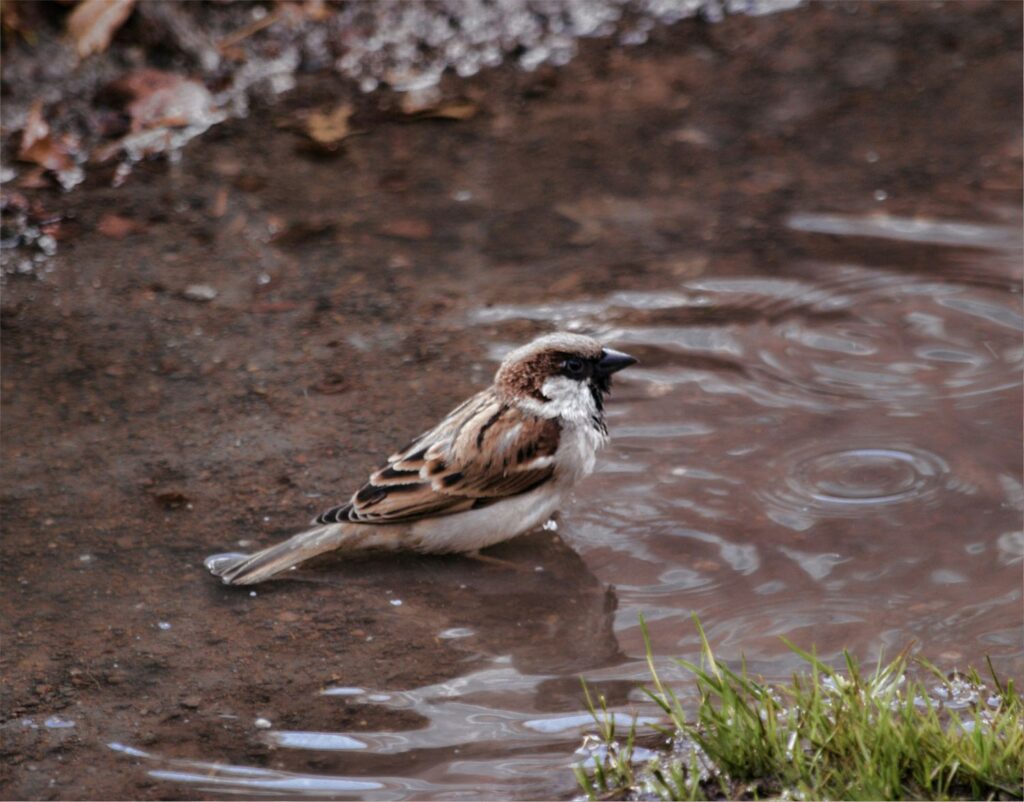
Culturally, sparrows hold a special place in many societies. In literature and folklore, they often represent freedom, humility, love, and community. Their presence is associated with peace and togetherness, as they are usually seen in groups rather than alone. In Indian households, the sparrow’s chirping at dawn was once a common and comforting sound, symbolizing the start of a new day.
Unfortunately, sparrow populations have been declining in many parts of the world. Rapid urbanization, pollution, loss of nesting spaces, and changes in building designs have significantly affected their numbers. The use of pesticides has also reduced insect populations, making it harder for sparrows to find food. This decline has raised concerns among environmentalists and bird lovers, as it indicates broader ecological imbalances.
Efforts are now being made to protect and revive sparrow populations. Simple actions such as placing bird feeders, providing water bowls, and installing nest boxes can make a big difference. Creating green spaces, planting native trees, and reducing chemical usage in gardens also help support their survival. World Sparrow Day, celebrated on March 20, aims to raise awareness about the importance of conserving these small birds.
The sparrow bird reminds us that even the smallest creatures matter. Their presence reflects the health of our environment and our relationship with nature. Protecting sparrows is not just about saving a bird species; it is about preserving harmony between humans and the natural world. By showing care and responsibility, we can ensure that future generations continue to wake up to the joyful sound of sparrows chirping around them.