




Plastic-packed food has become an inseparable part of modern lifestyles due to its convenience, affordability, and long shelf life. From snacks and ready-to-eat meals to beverages and frozen items, plastic packaging dominates supermarket shelves. While it offers ease and accessibility, excessive dependence on plastic-packed food comes with serious health and environmental consequences that often go unnoticed.
One of the major health concerns associated with plastic-packed food is chemical contamination. Plastics contain harmful substances such as BPA (Bisphenol A), phthalates, and other additives that can seep into food, especially when exposed to heat, sunlight, or long storage periods. Heating food in plastic containers or leaving plastic bottles in hot environments increases the risk of chemical leaching. These chemicals can disrupt hormones, weaken the immune system, and may increase the risk of chronic diseases over time.
Another significant issue is the nutritional quality of plastic-packed food. Most packaged foods contain high levels of preservatives, artificial colors, flavor enhancers, sugar, salt, and unhealthy fats to improve taste and extend shelf life. Regular consumption of such food is strongly linked to health problems such as obesity, diabetes, high blood pressure, heart disease, and digestive disorders. These foods often lack essential nutrients, fiber, and freshness, which are crucial for maintaining overall health.
Plastic-packed food can also negatively impact gut health. Artificial additives and preservatives may disturb the balance of good bacteria in the digestive system, leading to bloating, acidity, poor digestion, and weakened immunity. Children are particularly vulnerable, as their developing bodies are more sensitive to chemical exposure and poor-quality nutrition.

Beyond personal health, plastic-packed food poses a serious threat to the environment. Plastic packaging contributes massively to waste generation, as most plastics are non-biodegradable and take hundreds of years to decompose. Improper disposal leads to land pollution, clogged drainage systems, and harm to wildlife. Marine animals often mistake plastic waste for food, resulting in injury or death. Microplastics formed from plastic breakdown have now entered the food chain, affecting both animals and humans.
The production of plastic packaging also increases carbon emissions and consumes fossil fuels, adding to climate change. As the demand for packaged food rises, so does the environmental burden, making it a global sustainability issue.
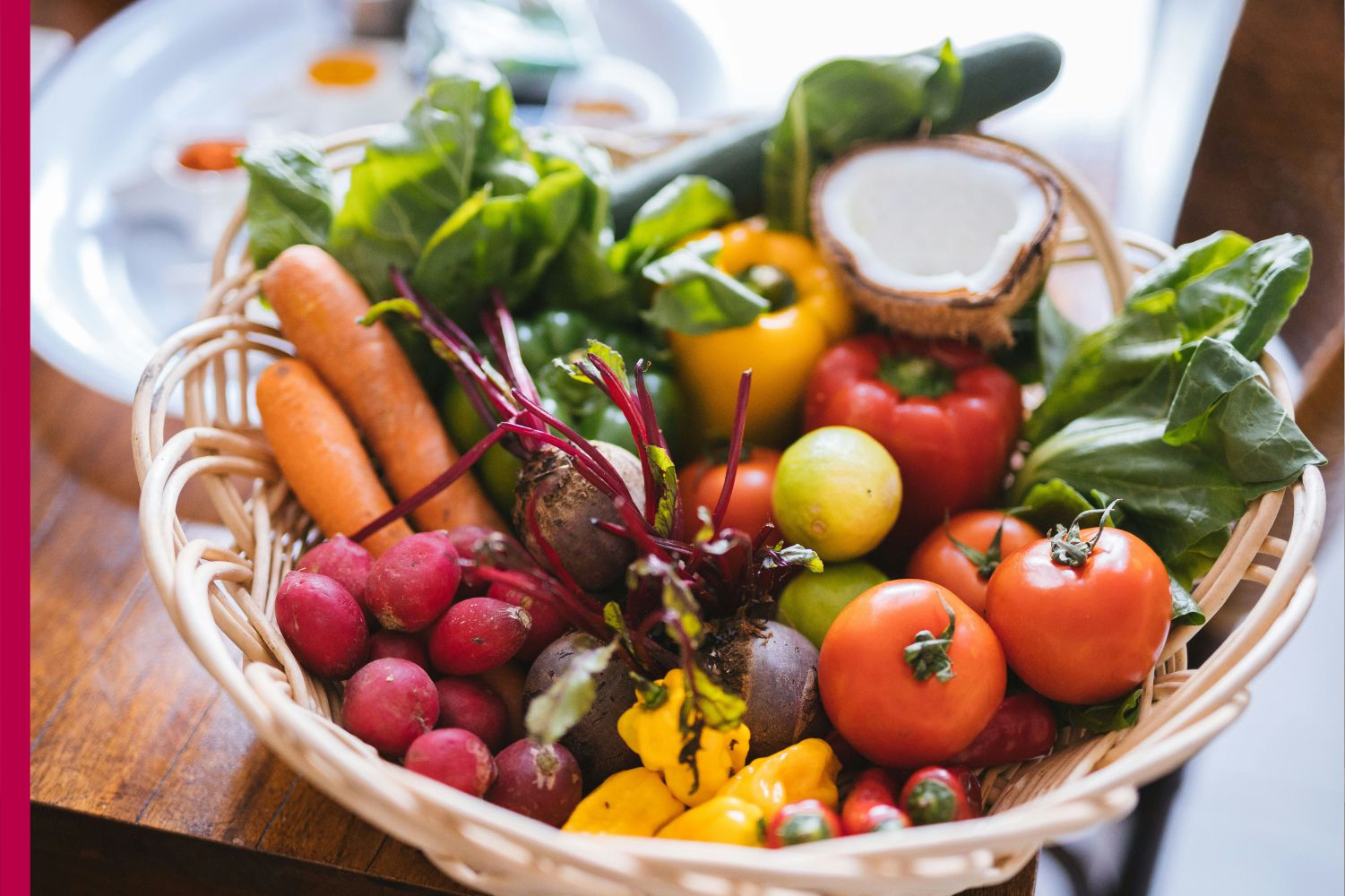
Reducing the consumption of plastic-packed food is a step toward healthier living and environmental responsibility. Choosing fresh, locally sourced fruits, vegetables, and homemade meals helps minimize exposure to harmful chemicals and improves nutritional intake. Using eco-friendly alternatives such as glass, steel, paper, or cloth packaging can significantly reduce plastic waste. Simple habits like carrying reusable containers and avoiding unnecessary packaged items make a meaningful difference.
In conclusion, while plastic-packed food offers convenience, its side effects on health and the environment are too serious to ignore. Awareness and mindful choices can help protect our bodies and the planet. By prioritizing fresh food and sustainable practices, we can move toward a healthier lifestyle and a cleaner, safer future for generations to come.