




In today’s technology-driven world, mobile phones have become an essential part of daily life. They help us stay connected, informed, entertained, and productive. However, the convenience of smartphones has also given rise to a growing concern mobile phone addiction. What was once a tool for communication has now evolved into an inseparable companion for many, shaping habits, routines, and even emotional well-being.
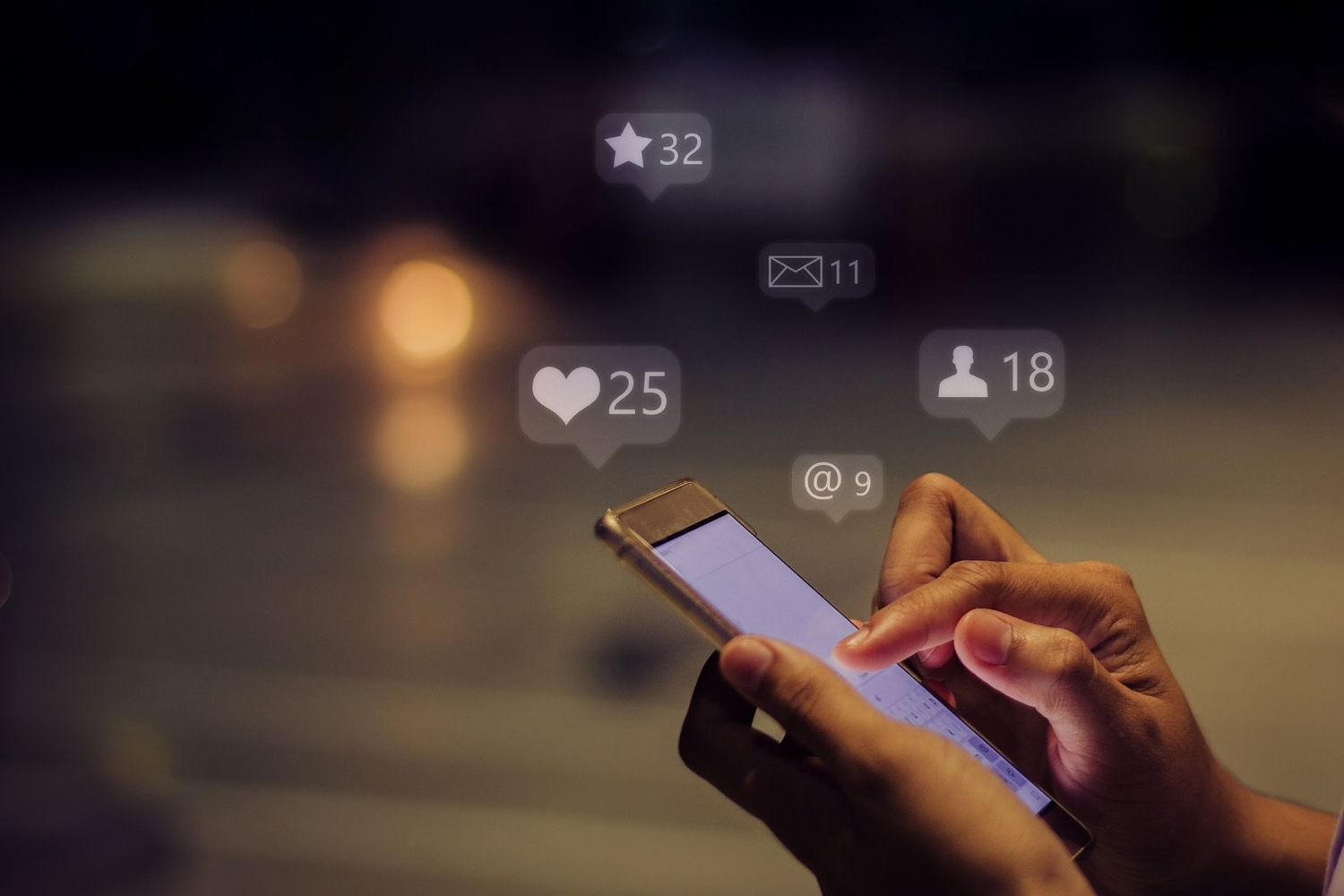
Mobile phone addiction refers to the excessive and uncontrollable use of smartphones, often at the cost of real-world responsibilities and social interactions. Notifications, social media, online games, and messaging apps constantly demand attention, making it difficult for users to stay disconnected. The fear of missing out popularly known as FOMO encourages people to check their phones repeatedly, even when there is no real need. As a result, screen time increases, and dependence on mobile devices becomes a part of life.
One of the most visible effects of mobile phone addiction is the decline in real-life communication. Families gather around the dining table with eyes glued to screens instead of engaging in conversations. Friends sit together but remain occupied scrolling through social media. The joy of face-to-face interactions is often replaced by virtual connections that feel more comfortable and less demanding. Over time, relationships may weaken due to a lack of personal bonding and emotional presence.
The impact of smartphone addiction goes beyond social life and extends to physical and mental health. Constant screen exposure can lead to eye strain, headaches, poor posture, and disturbed sleep cycles. Many people fall asleep while holding their phone, unaware that blue light emitted from screens interferes with the body’s natural sleep patterns. Mentally, mobile addiction can increase stress, anxiety, and emotional dependency. Regular comparison with online lifestyles and filtered images can lower self-esteem and create unrealistic expectations.

Mobile phones also influence productivity—especially among students and working professionals. Frequent notifications and irresistible scrolling habits make it difficult to focus on tasks. Even a short distraction can reduce concentration and efficiency. Studies show that multitasking with mobile phones can slow down thinking capability and memory recall, making learning and working more challenging.
Despite its negative effects, mobile phone addiction is not impossible to overcome. It starts with awareness and conscious effort. Setting time limits for social media, turning off unnecessary notifications, and designating a “no-phone zone” during meals or family time can help reduce dependency. Many people find it useful to keep their phones away while studying, working, or sleeping. Engaging in physical activities, hobbies, or social interactions can also break the monotony that drives excessive screen usage.
Parents and educational institutions play an important role in guiding young people toward healthy phone habits. Teaching digital discipline, promoting outdoor activities, and encouraging quality social time help children understand the balance between technology and real life.
In conclusion, mobile phones are powerful tools that make life easier, but addiction can slowly take control without awareness. By using smartphones mindfully and responsibly, individuals can enjoy the benefits of technology while maintaining a healthy lifestyle. Balance—not avoidance—is the key to ensuring that phones remain our helpers, not the drivers of our lives.