




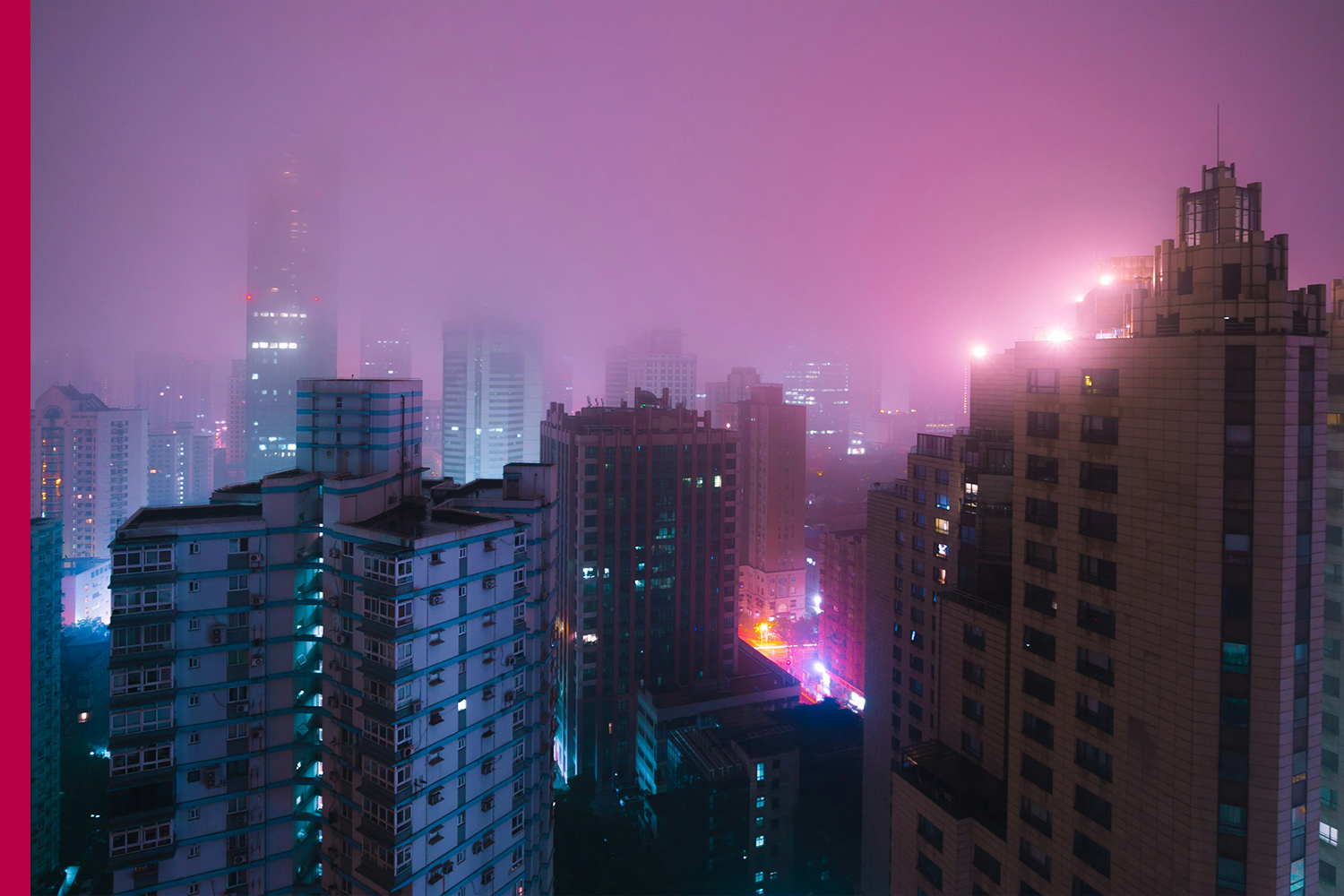
Light is essential for human life. It allows us to see, work, travel, and feel safe after dark. But in today’s modern world, the excessive and uncontrolled use of artificial lighting has created a silent threat known as light pollution. While it may not feel as alarming as air or water pollution, its effects on humans, wildlife, and the environment are serious and often overlooked.
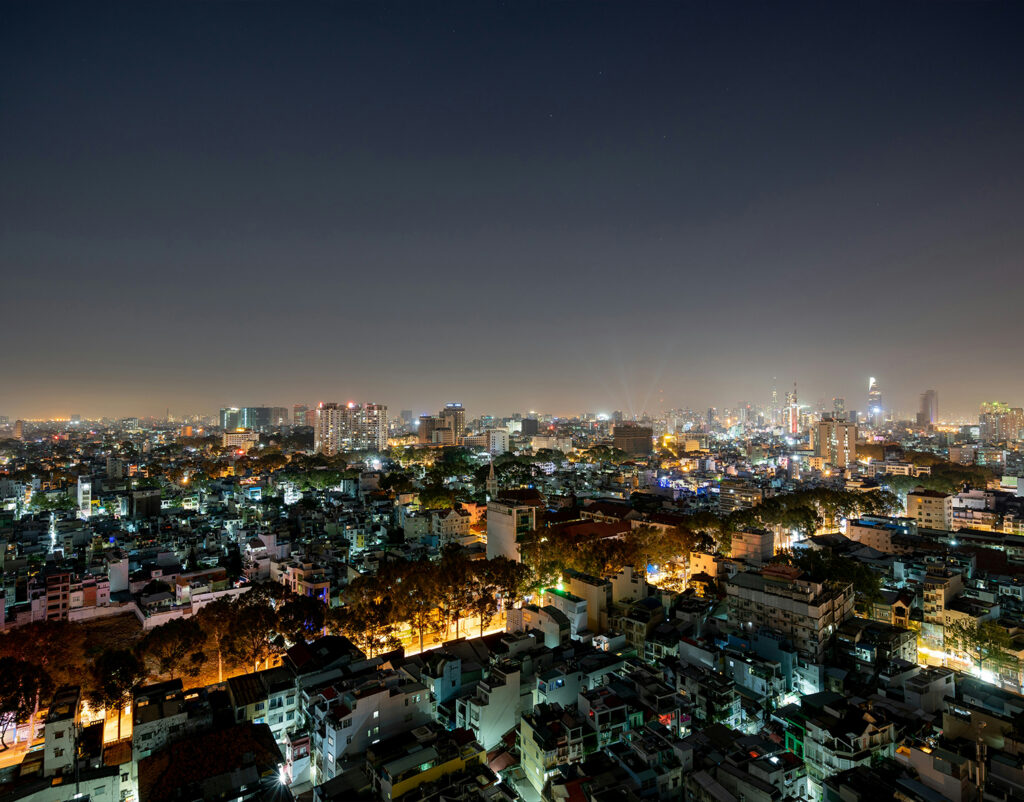
Light pollution refers to the brightening of the night sky caused by artificial light sources such as street lamps, buildings, billboards, factories, and vehicles. Instead of directing light only to where it is needed, these sources scatter light in all directions—including upward into the atmosphere. This creates a layer of brightness that blocks the natural darkness of the night sky. As a result, stars become invisible, ecosystems lose balance, and human health is affected.
One of the most noticeable consequences is the loss of the night sky. In ancient times, people navigated, studied astronomy, and found inspiration from the stars. Today, in many cities, even the brightest stars are hidden behind layers of artificial light. Astronomers struggle to observe celestial objects because the sky is no longer dark. The world is losing touch with the wonders of the universe—not because the stars disappeared, but because light pollution hides them.
Light pollution also affects nature and wildlife. Many animals depend on natural darkness for survival. Sea turtles, for example, follow the moonlit ocean to find their way—but artificial lighting near beaches confuses them and leads them away from the water. Birds migrate using the stars as a guide, but city lights disorient them, causing fatal collisions with buildings. Even insects, which play a vital role in pollination, are drawn to artificial lights and die in large numbers. When ecosystems break, the effects ripple across the planet.
Humans are not unaffected either. Exposure to excessive artificial light during the night disrupts the body’s circadian rhythm the internal clock that controls sleep and biological cycles. Blue light from screens, streetlights, and indoor bulbs reduces the production of melatonin, the hormone responsible for sleep. This leads to sleep disorders, increased stress, weakened immunity, and long-term risks like obesity, depression, and heart disease. Ironically, the lights that were meant to make life more comfortable are slowly harming our well-being.
Fortunately, light pollution is reversible. Unlike other environmental issues, its effects can be reduced simply by adopting better lighting habits. Using shielded lights that direct illumination downward, choosing warm-colored bulbs, installing motion sensors, and switching off unnecessary lighting can drastically cut pollution. Communities can also promote “dark sky zones” and reduce billboard and commercial lighting during late hours. When large groups take action, the night sky can be restored quickly.
Light pollution reminds us that progress without awareness can lead to unexpected problems. Darkness is not the opposite of safety—it is a natural part of life, essential for ecological balance, human health, and the beauty of our world. Protecting the night sky is not just an environmental effort; it is a cultural and emotional responsibility. When we reconnect with the darkness, we rediscover silence, wonder, and the timeless brilliance of the stars that once guided humanity.