




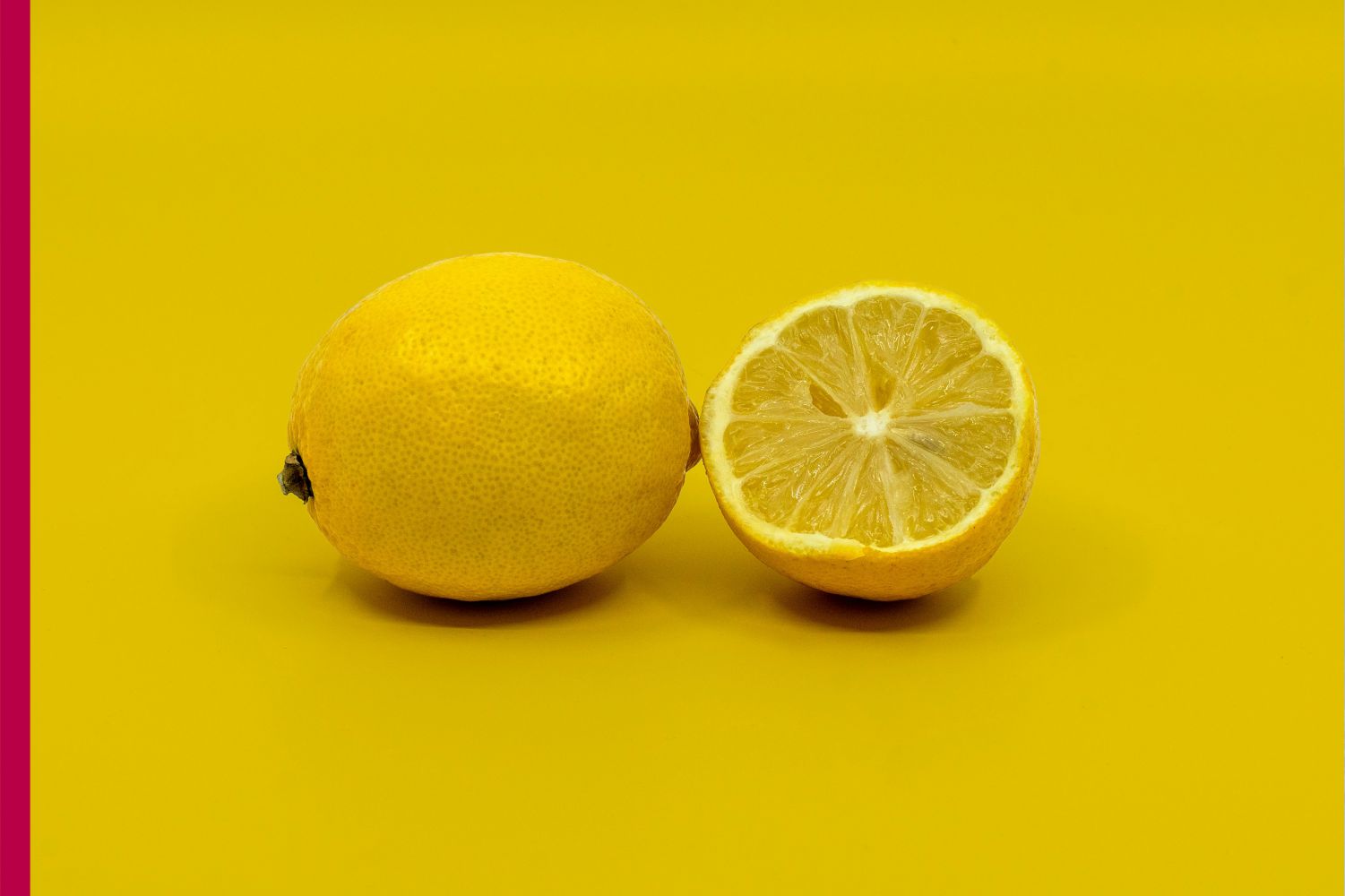
Yellow is one of the most vibrant and attention-grabbing colors in the visible spectrum. Often associated with sunlight, warmth, and positivity, yellow plays a powerful role in nature, culture, psychology, and design. From bright flowers and ripe fruits to warning signs and creative branding, yellow has a unique ability to influence emotions and perception.
Scientifically, yellow is a visible light wavelength that sits between green and orange on the color spectrum. The human eye is particularly sensitive to yellow, which is why it is often used for signs, highlighters, and safety markings. Because of its brightness and visibility, yellow can be noticed faster than many other colors, especially in daylight. This makes it a practical choice for road signs, school buses, and hazard warnings.
In nature, yellow is a common color that signals energy and life. Many flowers, such as sunflowers and daffodils, are yellow to attract pollinators like bees and butterflies. Fruits like bananas, lemons, and mangoes turn yellow when ripe, signaling readiness to eat. In the animal world, yellow can also act as a warning color, indicating toxicity or danger, as seen in certain insects and reptiles.
Psychologically, yellow is often linked to happiness, optimism, and creativity. It is believed to stimulate mental activity and encourage communication. For this reason, yellow is sometimes used in workspaces, classrooms, and creative environments. However, too much yellow can feel overwhelming or cause restlessness, which is why it is best used in balanced amounts. Soft or muted shades of yellow tend to feel warm and welcoming, while bright yellows feel energetic and bold.

Culturally, yellow holds different meanings across the world. In many Asian cultures, yellow symbolizes prosperity, wisdom, and royalty. In India, yellow is associated with learning, knowledge, and spirituality, often worn during festivals and religious ceremonies. In Western cultures, yellow commonly represents joy and cheerfulness, but it can also symbolize caution or warning, depending on the context.
In art and design, yellow is used to draw attention and create contrast. Designers often use yellow to highlight important elements or create a sense of friendliness and innovation. Many well-known brands use yellow in their logos to communicate positivity, energy, and approachability. In art, yellow has been famously used by painters to express emotion, light, and movement, adding depth and warmth to compositions.
Yellow also has an influence on appetite and mood, which is why it is commonly used in food packaging and restaurants. The color is believed to stimulate hunger and create a lively atmosphere. At the same time, it can boost mood by reminding people of sunshine and warmth.
In conclusion, yellow is a color filled with meaning, power, and versatility. Whether seen in nature, culture, psychology, or design, yellow continues to capture attention and evoke strong emotions. Its ability to symbolize joy, alertness, and creativity makes it one of the most influential colors in the world.