





Mars research has long captured humanity’s imagination, offering a glimpse into the mysteries of our neighboring planet and raising profound questions about the possibility of life beyond Earth. Over the years, scientists, engineers, and space agencies have invested immense effort into understanding Mars its climate, geology, atmosphere, and potential habitability. As technology advances, Mars exploration continues to evolve from simple observations to complex missions that push the boundaries of human knowledge and ambition.
The fascination with Mars began centuries ago when early astronomers noticed its distinct red color and shifting patterns across the sky. With the invention of telescopes, scientists observed polar ice caps, dust storms, and surface markings that hinted at a dynamic world. These observations laid the foundation for modern Mars research and sparked curiosity about whether the planet might once have supported life.
One of the major goals of Mars research today is to understand its past. Evidence suggests that billions of years ago, Mars had liquid water, a thicker atmosphere, and possibly a warmer climate. Rover missions such as NASA’s Curiosity and Perseverance have discovered ancient riverbeds, mineral deposits, and chemical signatures that point to a time when Mars may have been a habitable world. These findings fuel ongoing efforts to search for signs of microbial life—either preserved in rocks or hidden beneath the surface.
Technological advancements have made Mars exploration more detailed and accurate than ever before. Orbiters like MAVEN, Mars Reconnaissance Orbiter, and India’s Mars Orbiter Mission provide high-resolution images, atmospheric data, and climate measurements. These spacecraft map the planet’s surface, track weather patterns, and study dust storms, helping scientists understand Mars as a living, changing world. Rovers and landers, equipped with sophisticated tools, analyze soil samples, drill into rocks, and capture breathtaking imagery from the Martian surface.
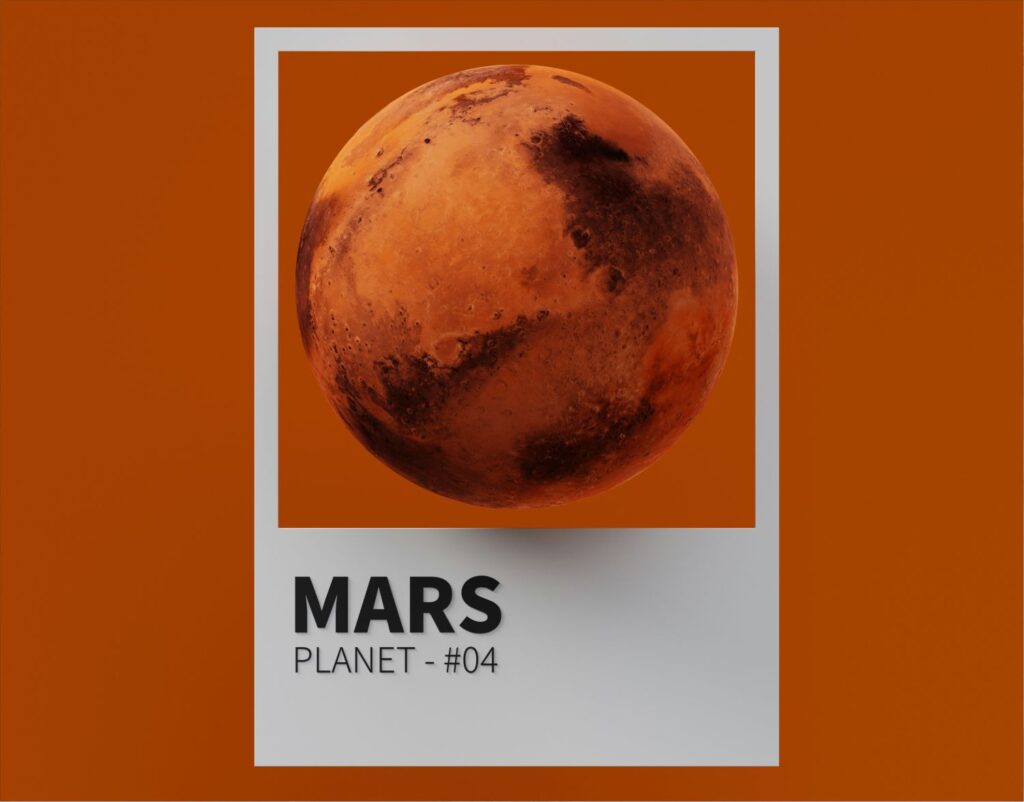
A major milestone in recent Mars research is the successful operation of Ingenuity the first helicopter to fly on another planet. This tiny aircraft demonstrated controlled flight in the thin Martian atmosphere, paving the way for future aerial explorations that can reach places rovers cannot. Such innovations highlight the creativity behind planetary science and expand the possibilities for future missions.
Mars research also plays a key role in preparing for future human exploration. NASA’s Artemis program, SpaceX’s Starship development, and international collaborations are all working toward the goal of sending humans to Mars within the coming decades. Understanding the planet’s resources, radiation levels, climate conditions, and potential hazards is crucial for creating safe habitats and sustainable missions. Scientists are studying whether Mars has usable water ice, how dust storms might affect equipment, and what technologies can support long-term survival.
Despite the challenges extreme cold, thin air, and long travel distances Mars remains one of the most promising destinations for scientific discovery. Each mission brings new insights, rewriting what we know about the planet and inspiring fresh questions. As research continues, Mars stands as a symbol of human curiosity, innovation, and the desire to explore worlds beyond our own.
The ongoing journey to understand Mars is far from over. With every rover snapshot, atmospheric reading, and groundbreaking discovery, humanity steps closer to unlocking the secrets of the Red Planet—and perhaps one day walking on its surface.