




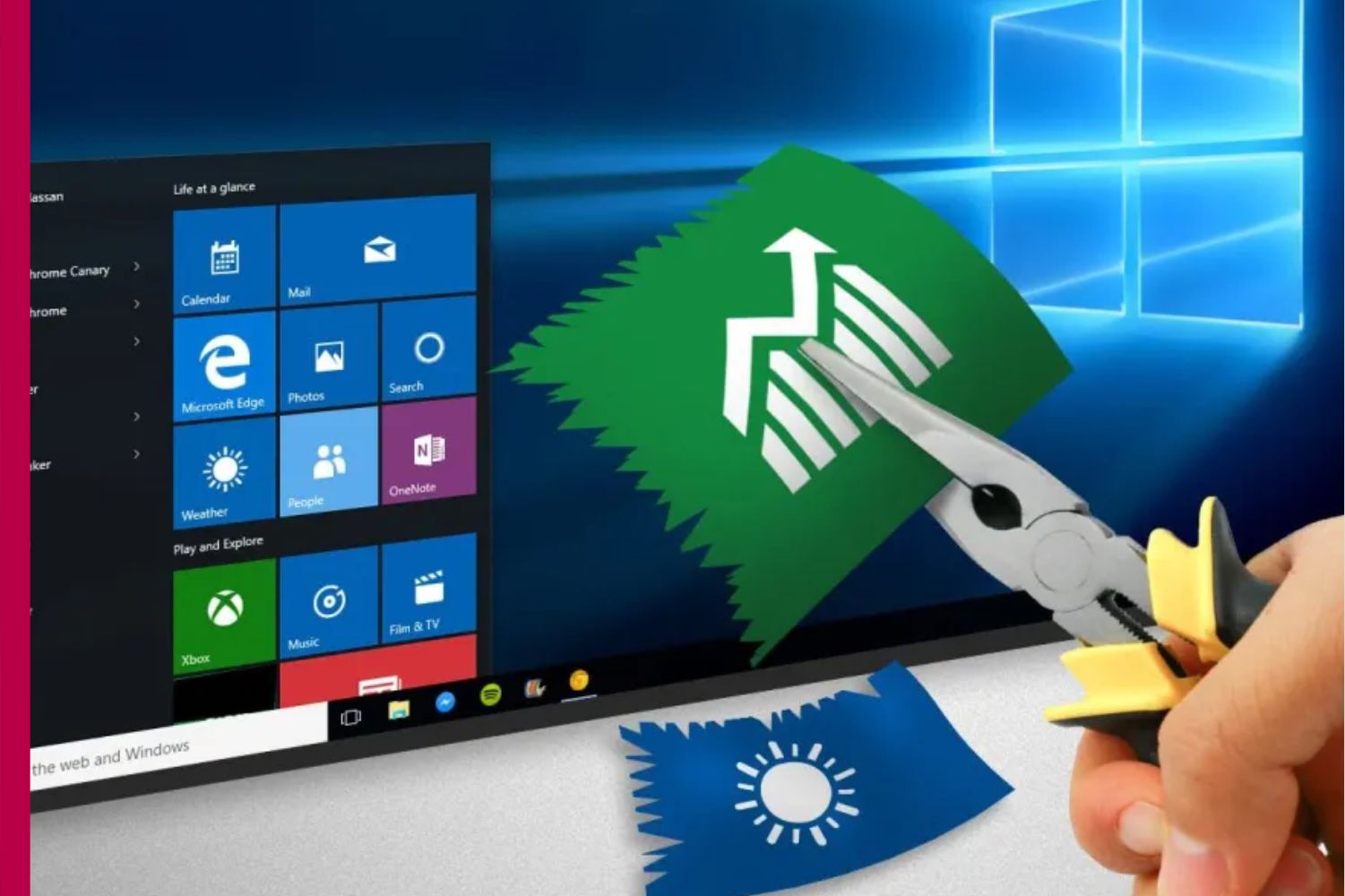
Bloatware refers to pre-installed software that comes loaded on smartphones, computers, and other digital devices. While some of these applications may serve useful purposes, many are unnecessary and rarely used by the average user. Over time, bloatware has become a common concern, as it can affect device performance, storage space, and overall user experience without offering real value.
Most bloatware is added by device manufacturers, software partners, or network providers. These apps are often included as part of promotional agreements, allowing companies to showcase their services or products. Examples include trial versions of software, duplicate apps, games, and branded utilities. Although they may seem harmless at first, these programs often run in the background, consuming system resources.
One of the main problems with bloatware is reduced performance. Pre-installed apps can use memory, processing power, and battery life even when they are not actively used. On smartphones, this may result in slower response times, faster battery drain, and overheating. On computers, bloatware can increase boot times and cause system lag, making the device feel outdated far sooner than expected.
Storage space is another major concern. Many devices, especially budget smartphones, come with limited internal storage. When a large portion of that space is occupied by unwanted apps, users are left with less room for photos, videos, documents, and essential applications. In some cases, bloatware cannot be completely removed, only disabled, which means it continues to occupy storage.
Bloatware can also impact security and privacy. Some pre-installed apps request unnecessary permissions or collect user data for marketing purposes. If not regularly updated, they may also introduce security vulnerabilities. Users often have little control over these applications, making it harder to manage data privacy and system safety effectively.

Despite its drawbacks, not all bloatware is entirely useless. Some pre-installed tools, such as device management apps or system utilities, help optimize hardware performance or provide essential functions. The issue arises when devices are overloaded with redundant or low-quality applications that clutter the system rather than enhance it.
To manage bloatware, users can take a few practical steps. Disabling unused apps, uninstalling removable software, and limiting background activity can significantly improve device performance. Advanced users may choose to use custom operating systems or clean installations to remove bloatware completely, although this often requires technical knowledge and may void warranties.
In today’s digital world, users are becoming more aware of how bloatware affects their devices. Many consumers now prefer cleaner software experiences and demand greater control over what comes pre-installed. As awareness grows, manufacturers are gradually reducing unnecessary apps or offering versions with minimal software.
In conclusion, bloatware is an often-overlooked issue that can silently impact performance, storage, and security. Understanding what bloatware is and how to manage it empowers users to maintain faster, cleaner, and more efficient devices in the long run.