


Metals are among the essential materials of modern civilisation. They support the buildings people live and work in, the vehicles that transport them, the electrical systems that power their lives, and the machinery that enables industries to operate. From steel and aluminium to copper, nickel, and specialised alloys, metals form an often-unseen foundation of economic development.
The industry is changing as countries invest in infrastructure, expand manufacturing, modernise energy systems, and develop new technologies. Steel remains central to construction and industrial production, while copper supports electrical networks and renewable-energy infrastructure. Nickel and other specialised materials are important to selected battery technologies, industrial applications, and advanced manufacturing. Each metal has its own market dynamics, technical requirements, and environmental challenges.
India’s industrial ambitions create opportunities for domestic metal producers. Infrastructure expansion and manufacturing growth can support demand for steel and engineered materials, while the development of energy networks and new technologies can increase demand for particular non-ferrous metals. However, the relationship between economic growth and metal consumption is not automatic. Prices, imports, construction activity, global trade conditions, and the cost of production all influence market performance.
Recent developments demonstrate how producers are responding to these opportunities. SteelOrbis reported in early November 2026 that JSW Steel and JFE Steel were planning to expand crude steel capacity in India to 9.5 million tonnes by 2030. It also reported new industrial investment and production developments across the steel sector during late October. These projects point to continuing efforts to increase capacity and strengthen domestic manufacturing capabilities.
Capacity expansion, however, must be balanced with market realities. Metal production requires substantial capital, energy, raw materials, transportation, and environmental management. Building new facilities without carefully assessing future demand can create financial pressure, while insufficient capacity can leave industries more exposed to imports or supply disruptions. Effective planning therefore requires a long-term understanding of customer needs, trade flows, and technological change.
Technology is transforming metal production and processing. Automation, digital monitoring, advanced quality inspection, and predictive maintenance can improve efficiency and consistency. Better process controls can help reduce defects and energy consumption. Research into new alloys and improved manufacturing methods can also create materials suited to more demanding applications, from industrial equipment to transport and infrastructure.
Sustainability is one of the sector’s most important challenges. Traditional metal production can be energy-intensive and generate substantial emissions. Recycling can reduce the need for some primary extraction and preserve the value embedded in existing materials, although recycled metal does not eliminate the need for mining. Improved energy efficiency, cleaner power, better waste management, and lower-emission production methods will all play a role in reducing the industry’s environmental footprint.
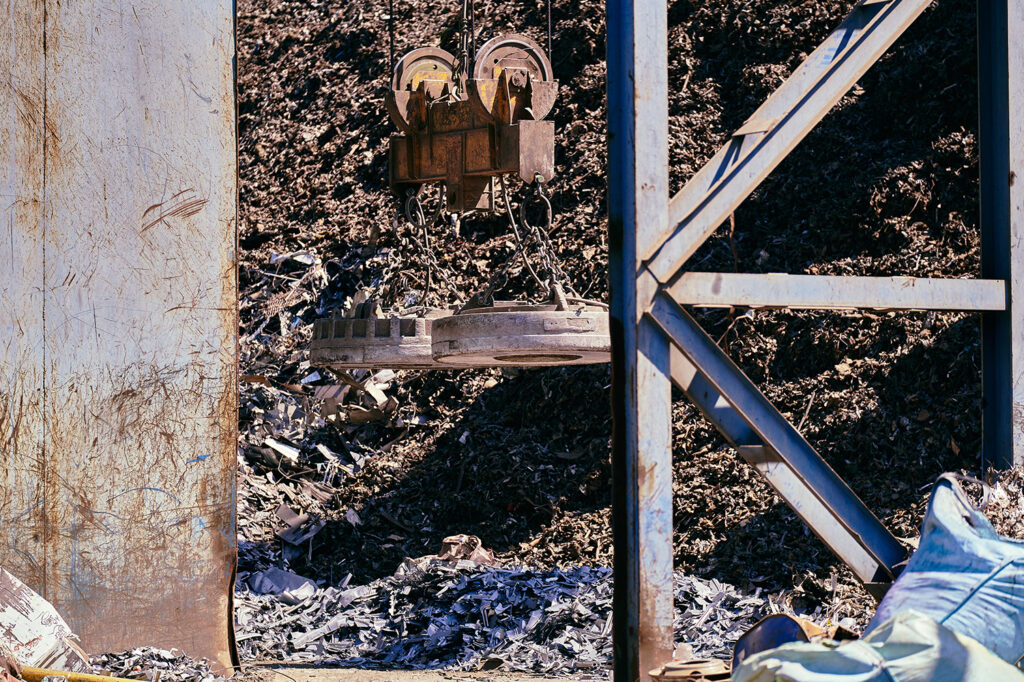
Reliable access to raw materials is equally important. Producers must manage fluctuations in commodity prices and the risks associated with concentrated supply chains. Responsible sourcing, diversified suppliers, and investment in domestic processing capabilities can strengthen resilience. For critical materials, recycling and recovery technologies may become increasingly valuable as industries seek more secure supplies.
The metal industry’s future will also depend on its people. Metallurgists, engineers, geologists, skilled technicians, safety professionals, and environmental specialists contribute to the complex process of turning raw resources into dependable products. Strong training and safety standards are essential in an industry where operational errors can have serious consequences.
Metals may rarely receive the public attention given to consumer technology or finished products, but their influence is everywhere. The strength of a bridge, the reliability of a power network, and the durability of industrial machinery all depend on material quality and responsible production.
The next chapter of the metals industry will be shaped by the ability to combine capacity with efficiency, innovation with safety, and industrial growth with environmental responsibility. Its lasting success will depend not simply on how much metal is produced, but on how intelligently and sustainably that metal is made and used.