




The Future of Telecommunications
How 5G, Connectivity, and AI Are Building a Connected World
Telecommunications has become essential infrastructure for modern society. Mobile networks, broadband services, satellites, and fibre-optic systems connect people, businesses, governments, and digital platforms across geographical boundaries. As demand for reliable connectivity continues to grow, the telecommunications industry is evolving to support increasingly data-intensive and connected activities.
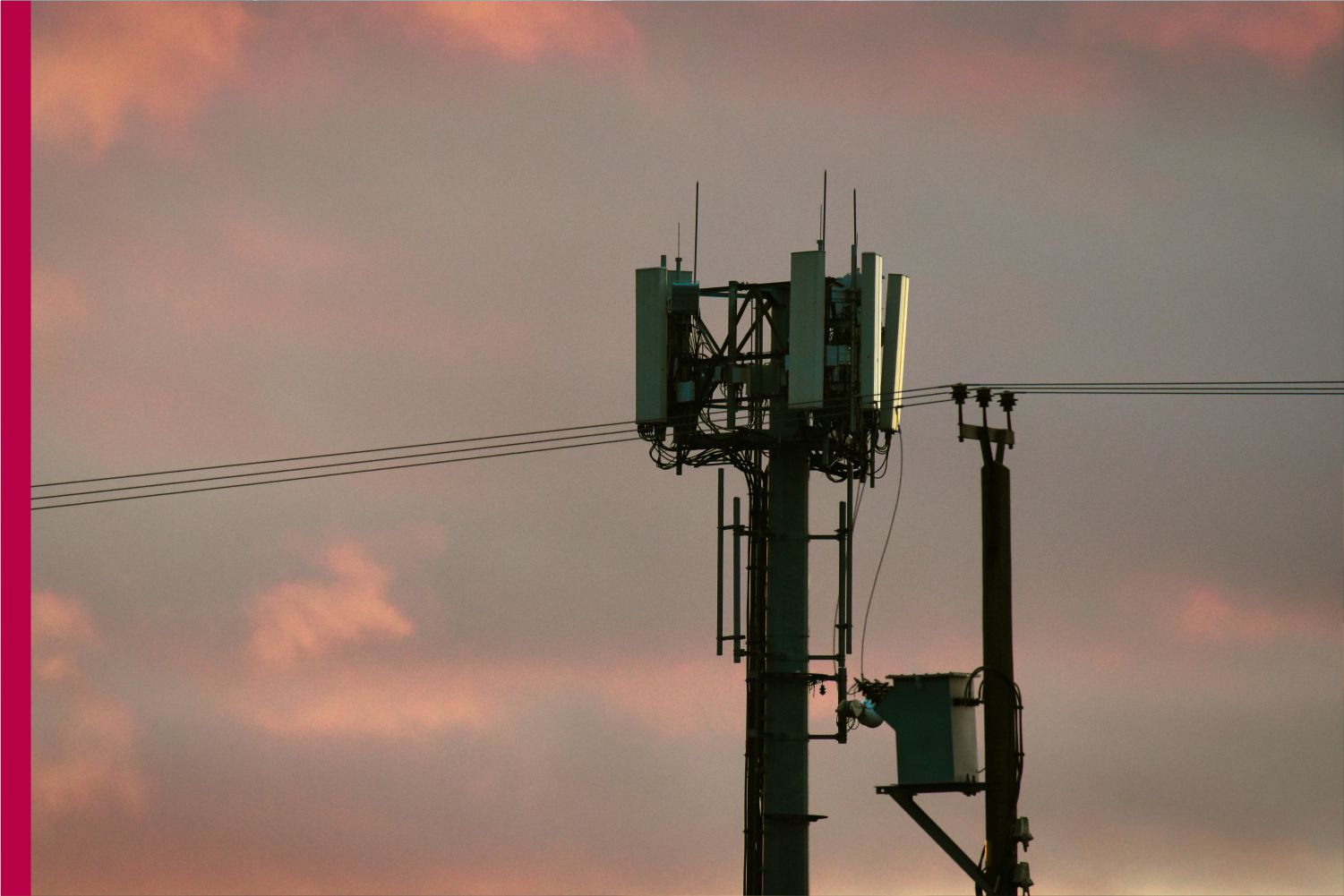
One of the major developments is the expansion of 5G networks. Compared with earlier generations, 5G can provide higher data speeds, lower latency in suitable conditions, and support for large numbers of connected devices. These capabilities can benefit applications such as industrial monitoring, connected transportation, remote equipment control, and immersive digital experiences.
However, the practical benefits of 5G depend on network coverage, spectrum availability, infrastructure investment, device compatibility, and local operating conditions. Network performance can vary significantly between locations, and the development of advanced applications requires more than connectivity alone.
Artificial intelligence is becoming an important tool for telecommunications operators. AI-powered systems can help monitor network performance, identify unusual traffic patterns, forecast capacity requirements, and detect potential faults. Predictive maintenance may allow operators to address problems before they cause widespread service interruptions.
The growth of connected devices is also creating new opportunities. Smart meters, industrial sensors, connected vehicles, and remote monitoring systems depend on reliable communications. Telecommunications providers are therefore expanding beyond traditional voice and data services into platforms that support businesses and connected infrastructure.
Satellite connectivity is another important development. Satellite-based services can help connect remote communities, ships, aircraft, and locations where conventional infrastructure is difficult or expensive to deploy. Satellite systems can complement terrestrial networks, although their performance, cost, and suitability vary according to technology and operating conditions.
Fibre broadband remains a critical foundation for digital connectivity. High-capacity fibre networks support households, businesses, mobile network infrastructure, and data centres. As online services become more demanding, investment in reliable fixed networks will remain important alongside wireless expansion.
Cybersecurity is a growing concern for telecommunications operators. Networks carry sensitive communications and support essential services, making them potential targets for cyberattacks. Providers must protect infrastructure, monitor threats, secure access, and maintain contingency plans to preserve service continuity.
Digital inclusion is another major priority. Reliable internet access supports education, employment, healthcare, commerce, and participation in public life. However, gaps in affordability, infrastructure, and digital literacy continue to affect some rural and underserved communities. Expanding coverage is important, but meaningful inclusion also requires affordable services and the skills needed to use them.

The telecommunications industry is also facing commercial pressures. Infrastructure investment can be substantial, while competition and customer expectations place pressure on pricing and service quality. Operators must balance expansion with financial sustainability and continue improving customer experience.
Looking ahead, telecommunications networks will increasingly operate as intelligent platforms connecting people, devices, and digital services. Future developments in network automation, edge computing, satellite integration, and advanced wireless standards may create additional opportunities, although adoption will depend on technical progress and commercial viability.
The future of telecommunications is about more than faster internet speeds. It is about building reliable, secure, and accessible connections that enable innovation across society.
As economies become increasingly digital, telecommunications will remain a foundational industry. Its success will depend on the ability to expand connectivity, strengthen security, improve affordability, and ensure that technological progress reaches the communities and businesses that need it most.