

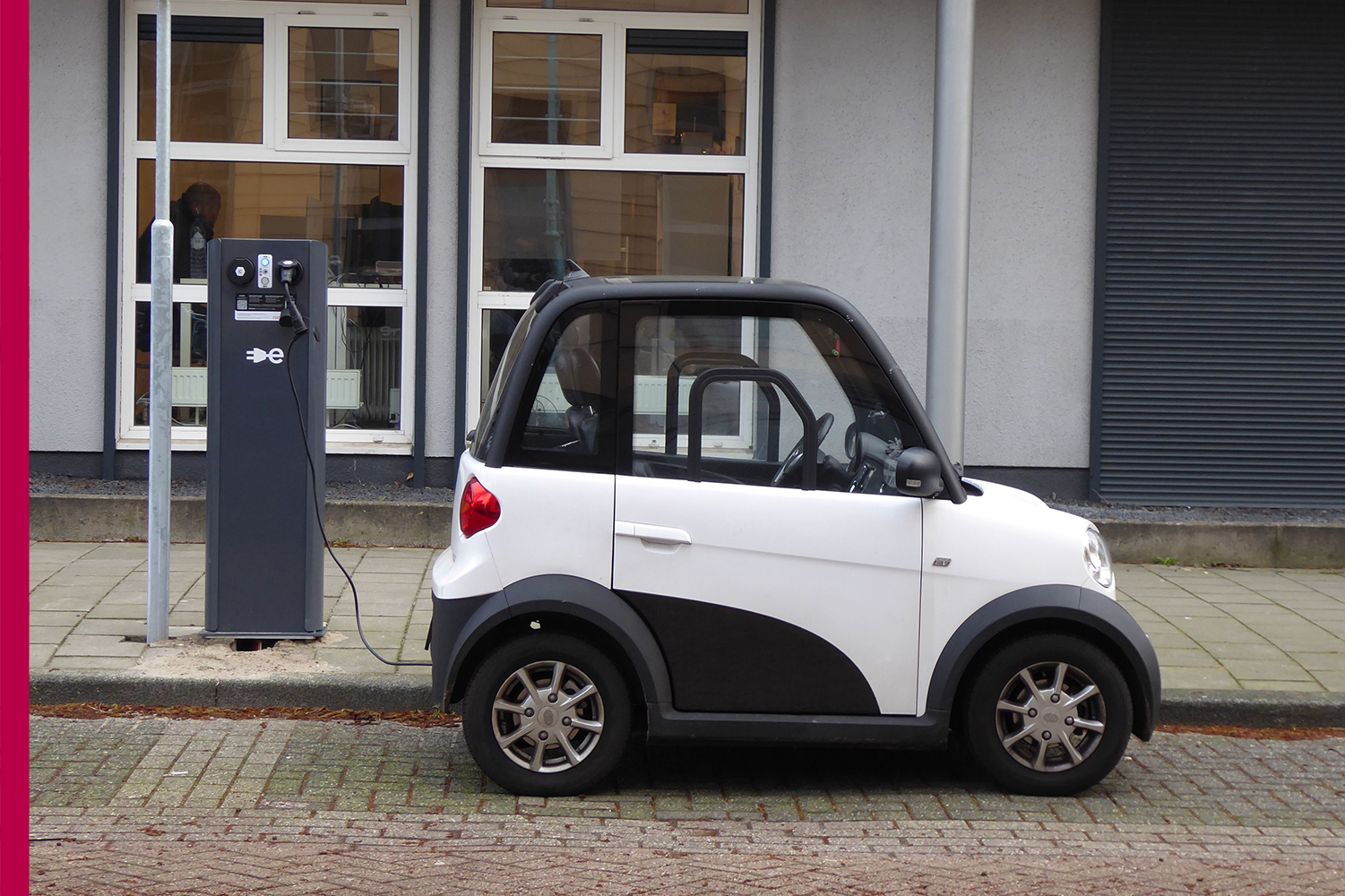


Electric vehicles (EVs) are transforming the global automobile industry by offering an alternative to conventional vehicles powered primarily by petrol and diesel. Growing concerns about air pollution, fuel costs, climate change, and energy security have encouraged governments, manufacturers, and consumers to explore cleaner transportation solutions. With improvements in battery technology, charging infrastructure, vehicle design, and digital connectivity, electric vehicles are becoming an increasingly important part of modern mobility.
One of the biggest advantages of electric vehicles is their potential to reduce tailpipe emissions. Unlike conventional vehicles with internal combustion engines, fully electric vehicles do not produce exhaust emissions while driving. This can help improve air quality, particularly in densely populated urban areas where transportation contributes significantly to pollution. The overall environmental benefits of EVs also depend on how their electricity is generated and how batteries and vehicles are manufactured and recycled.
Battery technology is at the center of electric vehicle development. Modern EVs commonly use lithium-ion battery systems that store electrical energy and power electric motors. Advances in battery chemistry, energy density, charging capability, and thermal management are helping manufacturers develop vehicles with longer driving ranges and improved performance. Research into new battery technologies could further improve efficiency while reducing production costs.
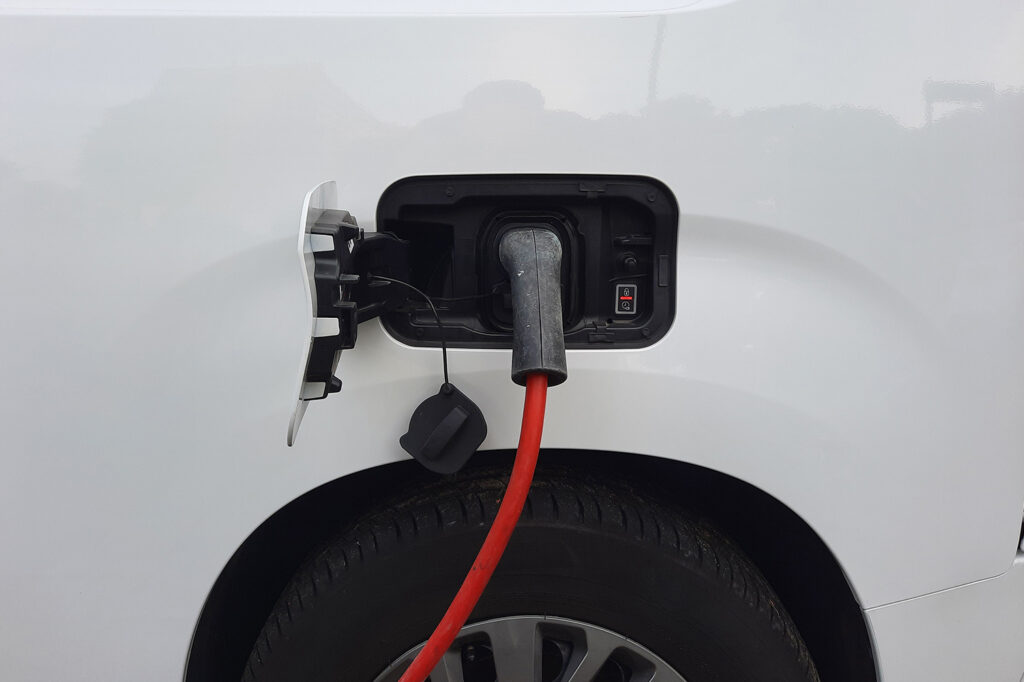
Charging infrastructure is another critical factor in EV adoption. Home charging provides convenience for many vehicle owners, while public charging stations support longer journeys and drivers who do not have access to private parking. Fast-charging technologies are reducing charging times, making electric vehicles increasingly practical for daily commuting and long-distance travel. The continued expansion of charging networks will be essential for supporting wider adoption.
Electric vehicles also offer a different driving experience. Electric motors can deliver instant torque, allowing vehicles to accelerate smoothly and quickly. EVs generally operate more quietly than conventional vehicles, reducing noise pollution in urban environments. Regenerative braking systems can recover some of the energy normally lost during braking and return it to the battery, improving overall efficiency.
The electric vehicle market now includes a wide range of products, from compact cars and premium vehicles to electric buses, two-wheelers, commercial vans, and trucks. Electric two-wheelers are particularly important in markets where motorcycles and scooters are widely used for everyday transportation. Commercial electric vehicles are also gaining attention as logistics companies seek to reduce fuel costs and emissions from delivery operations.
Government policies are playing an important role in encouraging EV adoption. Incentives, tax benefits, charging infrastructure investments, emissions regulations, and public transportation electrification programs are helping accelerate the transition. Governments are also supporting domestic battery manufacturing and EV supply chains to strengthen industrial capabilities and reduce dependence on imported components.
Automobile manufacturers are investing heavily in electric mobility. Established automotive companies and newer EV-focused businesses are developing new platforms, battery systems, software, and vehicle technologies. Electric vehicles are increasingly designed as connected digital products, with features such as over-the-air software updates, smartphone integration, advanced driver assistance systems, and real-time vehicle monitoring.
However, electric vehicles still face challenges. High upfront prices, charging availability, battery degradation concerns, limited charging access in some regions, and differences in driving range can influence consumer decisions. Battery manufacturing also requires significant quantities of raw materials, making responsible sourcing, recycling, and supply chain management increasingly important.
Battery recycling is becoming an important part of the EV ecosystem. Recovering valuable materials from used batteries can reduce waste and support the circular use of resources. Manufacturers and recycling companies are developing processes to recover materials and potentially reuse batteries in other applications, including stationary energy storage.
The future of electric mobility will also involve greater integration with renewable energy. Charging EVs using electricity generated from solar, wind, and other renewable sources can further reduce their environmental impact. Smart charging systems could allow vehicles to charge when electricity demand is lower or renewable energy availability is higher.
Looking ahead, continued improvements in batteries, charging technology, software, manufacturing, and energy infrastructure are expected to make electric vehicles more accessible and practical. Autonomous driving and connected mobility technologies may further expand the role of EVs in future transportation systems.
In conclusion, electric vehicles are changing the way people and businesses approach transportation. Their development combines advances in automotive engineering, energy storage, digital technology, and sustainable infrastructure. While challenges remain, continued investment and innovation are creating new opportunities for cleaner and more efficient mobility. As EV adoption grows, electric transportation is expected to become an increasingly important part of the global automobile industry and the future of sustainable mobility.